
(ThyBlackMan.com) Transforming a traditional gathering into an immersive event requires more than creative inspiration—it demands technical execution at every stage. Experiential producers often walk into an empty venue and face the challenge of turning it into a fully interactive environment, where digital and physical worlds blend seamlessly. The main obstacle is deploying a robust technical foundation that supports interactive projections, synchronized lighting, and real-time audience engagement without technical hiccups or delays. By understanding the specific requirements for infrastructure, hardware, network, and live support, producers can deliver memorable moments that meet both creative vision and operational standards.
Successful immersive events hinge on anticipating technical variables long before guests arrive. A single overlooked detail—like insufficient power supply for high-lumen projectors or wireless interference near critical installations—can disrupt the flow and audience perception. Precision in planning, equipment selection, connectivity, and on-site support is what separates flawless immersive environments from those remembered for their technical shortcomings.
Architectural Planning for Immersive Event Infrastructure
Site mapping is the first critical step for experiential producers preparing an immersive event. Using a digital floor plan, teams identify ideal locations for projectors, LED walls, speaker arrays, and interactive stations, taking into account structural limitations such as ceiling height and available rigging points. This process helps determine the load capacity of trusses and ensures all structural elements meet safety regulations, which is vital when large crowds and heavy equipment share the same space.
Producers must also coordinate with venue management about fire exits, cable runs, and the placement of control stations. These discussions are not only about aesthetics but about compliance with local fire codes and accessibility laws. For example, mapping out emergency egress routes and confirming adequate access for wheelchair users are practical requirements that shape the layout of immersive experiences.
Understanding event infrastructure safety requirements at this early stage prevents last-minute design changes that can derail schedules and budgets. By integrating these technical planning steps, experiential producers establish a solid foundation for the Immersive Events Experience technical guide that follows.
Hardware Selection and Spatial Audio Visual Integration
Choosing the right projection equipment, LED displays, and spatial audio systems is central to any Immersive Events Experience technical guide. The intensity of projectors, measured in lumens, determines whether projected visuals remain vivid under varying ambient light conditions. Selecting short-throw projectors for smaller spaces or ultra-bright models for outdoor venues can ensure consistent image quality across the installation.
Audio integration requires careful consideration of speaker placement to achieve even sound coverage and directional effects. Surround sound configurations and beamforming speaker arrays allow for spatial audio cues that move with the audience, enhancing immersion. Producers often use digital audio processors to synchronize sound with visuals, adjusting for any venue-specific acoustic challenges.
Visual and audio systems must also be compatible with interactive technologies like motion sensors and touch panels. Integrating these systems through a unified control interface gives technicians real-time oversight and the ability to adjust settings on the fly, as outlined in audio visual system integration best practices.
Network Bandwidth Management for Interactive Installations
Modern immersive events rely on high-speed, low-latency networks to synchronize video, lighting, and interactive content. Producers should conduct a network assessment to determine the required bandwidth for all devices, from media servers to wireless audience wearables. Dedicated wired connections are often reserved for latency-sensitive elements like live video feeds, while wireless access points serve mobile applications and participant interactions.
Network segmentation, which means separating critical control traffic from guest Wi-Fi, helps reduce interference and maintain reliable performance. Implementing managed switches and traffic prioritization protocols ensures that real-time control data is delivered without interruption, even when audience numbers surge and demand peaks.
A well-designed network plan is fundamental for supporting the Immersive Events Experience described in this guide. This technical infrastructure provides the backbone for interactive content, digital art, and audience-driven installations, all of which depend on uninterrupted connectivity.
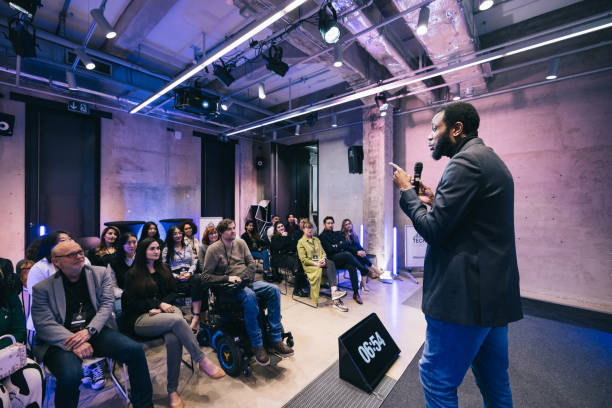
On Site Quality Assurance and Real Time Troubleshooting
Once the technical setup is complete, producers must run a series of on-site tests to verify that every system performs as specified. This includes running full show simulations, stress-testing interactive elements, and confirming all emergency protocols function properly. Load testing audio and video streams helps identify any bottlenecks or latency issues before attendees arrive.
Having a live monitoring station equipped with diagnostic tools allows technicians to track system health and respond to anomalies in real time. Event teams often deploy backup equipment—like spare media players and wireless transmitters—so they can quickly swap out components if a fault occurs. Documenting all network settings and hardware configurations streamlines troubleshooting and minimizes downtime during the event.
Producers who prepare with detailed quality assurance checklists and rapid-response plans ensure that technical issues are addressed before they impact the guest experience. This discipline is an integral part of the Immersive Events Experience technical guide and safeguards the reputation of both the event and its producers.
Conclusion
Prioritize a thorough pre-event infrastructure review and hands-on system testing before opening your immersive event to guests. Addressing technical deployment with this level of detail gives experiential producers confidence that creative ambitions will translate into a reliable, captivating experience on show day.
Staff Writer; Doug Washington
