(ThyBlackMan.com) Some questions sit in your chest and refuse to leave. Mine showed up again the other evening when a rerun flickered across the screen. There was Cliff Huxtable, sweater loud as a jazz solo, dancing in his living room while Clair watched with that look only a wife of two decades can give. For a second I forgot. Then the second passed.
That gap, between the father so many of us wanted and the man whose conduct has been examined in courtrooms, is the hardest thing to hold. I grew up watching that household on Thursday nights. Dr. Huxtable was a doctor, his wife a lawyer, their brownstone full of grown conversation and gentle correction. We had never seen ourselves framed quite like that on network television. The picture mattered. It told young Black men they could be tender and sharp at once, that a daddy could hug his son and still hand down a lesson with weight.
So where does that leave us now?
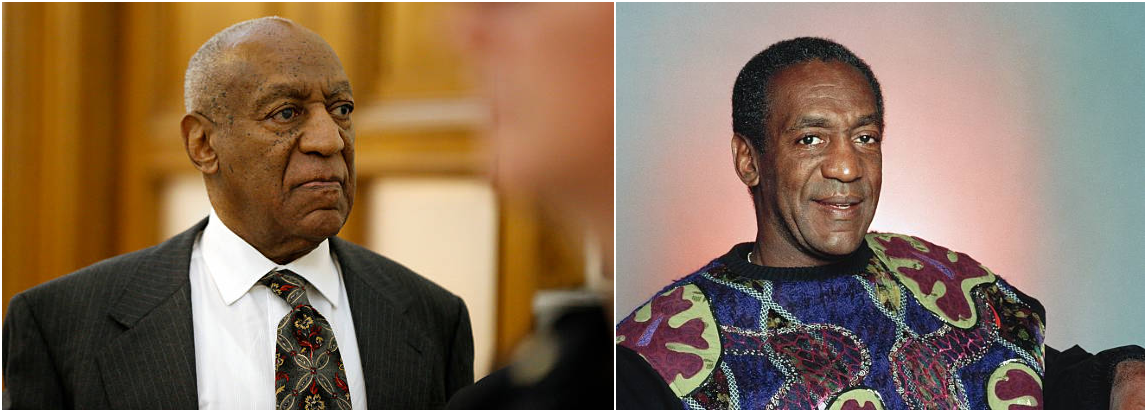
Bill Cosby is 89 and has largely withdrawn from public view. The longtime entertainer has lived in Elkins Park, outside Philadelphia. Age and declining health have taken their toll. He is legally blind, and his attorneys have described serious mobility problems. No packed comedy tour. No new television series drawing millions of viewers. His camp has floated the idea of a stage comeback more than once, yet nothing substantial has materialized. Instead, the headlines keep returning to lawyers, court judgments, and appeals.
This past spring made that plain. In March, a California jury found the comedian liable for drugging and sexually assaulting Donna Motsinger back in 1972, when she was waiting tables in Sausalito, north of San Francisco. The jury awarded her $59.25 million, including $40 million in punitive damages. Motsinger, now 84, had waited more than five decades for her day in court. “It’s about finally being heard and holding Mr. Cosby accountable,” she said afterward. Cosby has denied the allegation, and his legal team filed an appeal challenging the verdict.
Back up a minute. A Pennsylvania jury convicted the comedian in 2018 of aggravated indecent assault against Andrea Constand, a former Temple University employee, making him one of the first major celebrities convicted of a sexual offense during the #MeToo era. He spent nearly three years in state prison before Pennsylvania’s Supreme Court overturned that conviction in 2021. The decision did not declare him innocent. The justices ruled that prosecutors had violated his constitutional due process rights by bringing charges after an earlier district attorney had assured him he would not be prosecuted, a promise Cosby relied upon when testifying in a civil case. So the gates opened, not because a court had cleared his name, but because the state’s highest court concluded that his rights had been violated. Freedom under those circumstances leaves complicated feelings. And remember, at least 60 women have publicly accused Cosby of sexual misconduct, with allegations ranging from harassment to sexual assault. Sixty women, many carrying accounts of experiences they said had haunted them for decades.
A number like that quits being a he-said business. It starts carrying its own weight.
So here’s what sticks with me. Does loving the show mean I have to go to bat for the man who fronted it? Nah. I tread easy here, because plenty of brothers I respect land the other way. They look at a Black icon getting dragged and they feel that old familiar setup, the big name who climbed too high and got yanked down for it. I get the reflex. Lord knows our history gives us reason, full of proud folks taken apart by people who never once cared what was true. But that suspicion, honest as it is, cannot become a shield we hand to anyone who shares our skin. The women who came forward were somebody’s daughters. Many were sisters, cousins, and friends, carrying painful memories for decades while Cosby received Grammys and honorary degrees.
I keep coming back to a split that feels right. The art and the artist are not the same organism. Thursday nights in the eighties were real. Those scripts cracked open a door, and a generation of Black men walked through it carrying a new picture of what home could look like. That achievement belongs to the writers, the cast, Phylicia Rashad’s grace, the music, the whole crew who built a world. It does not sit in one person’s hands alone, and it does not get erased because the man in the cardigan has since been found liable for sexual assault in civil court.
What I refuse to do is pretend the two never touched. I believe the trust that character earned helped protect the public image of the man who played him. America’s Dad was more than a role. It became a reputation so powerful that accusations against the man behind it were difficult for many people to accept. That sweater and that smile bought a benefit of the doubt few ordinary men could ever expect, and I cannot help wondering how long that public affection kept uncomfortable questions from receiving the attention they deserved. Nobody wanted to question the man who raised the Huxtables every Thursday. A stranger accused of wrongdoing might face immediate suspicion. The country’s favorite father received years of admiration and loyalty. Pretending none of that mattered dismisses the pain of women who said their words carried little weight against a man America loved.
Can you carry both of those at once without one choking the other out? We’ve got no choice, the way I see it. I can watch a clip of Theo talking his way out of trouble and feel that old warmth, and in the same breath refuse to spend a dime or a drop of defense on the human being who played his daddy. Separating them is not forgiveness. Call it clarity instead. It lets us hold onto what was genuinely ours, the representation, the craft, the ritual, without lying to ourselves about the man whose name stood above the credits.
A cousin of mine put it better than I can. The show, she told me once, raised her expectations for how a daddy should move, and no courtroom can repossess that gift. My cousin is right about that. The lessons landed in us already. They belong to us now, not to him.
Still, I won’t sand down the hard edge just to feel better. A man can build something gorgeous and do something vile, and the gorgeous part doesn’t buy back the vile. We like our heroes spotless because spotless is easy. Most lives don’t hand you that. All you can do is sit in the mess of it and quit trying to talk yourself out of one half.
Finish story here; Bill Cosby’s Legacy: What Black Men Must Confront About America’s Dad.
