(ThyBlackMan.com) There’s an old saying: Those who can, do; those who can’t, teach. A similar idea underscores the debate over wealth taxes in California and elsewhere: Those who can, build companies. Those who can’t, devise ways for the government to take shares in what others have built.
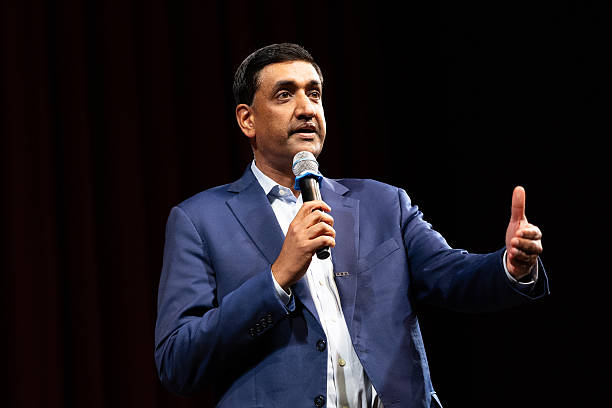
This new version might sound unfair until you listen to Rep. Ro Khanna’s (D-Calif.) pitch for an allegedly onetime, 5% wealth tax on California billionaires, tied to November’s vote on Proposition 40.
Space constraints prevent us from surveying all that’s wrong with wealth taxes here. But as a reminder, they raise very little income for the government, are an administrative nightmare, could be unconstitutional and create enormous disincentives to build the kind of wealth that creates jobs and funds government services through other taxes in the first place.
A recent dust-up on X between Khanna and entrepreneurs like Mark Cuban exposes the level of economic ignorance that makes U.S. wealth taxes so tempting to politicians. The issue at hand is implementing California’s version when a founder looks like a billionaire on paper without actually having the cash on hand.
This isn’t an obscure problem, particularly for young founders. Imagine you have a great idea and create a startup. Investors put $1 billion into your startup, and its share price rises to give it a $10 billion valuation. You own 20%, so now you’re worth $2 billion! Except that you don’t have $2 billion.
The investors have put their money into the company, not into your checking account. That capital is for hiring engineers, for building factories or data centers, for developing products and expanding the company. It makes your stake impressive on paper, and yet that could theoretically land you a $100 million tax bill without a dollar in your pocket.
Khanna suggests that the founder could sell shares to pay the tax. But that would effectively force an entrepreneur to give up a large portion of his company because a financing round has placed a high valuation on it before it has fulfilled its potential. Besides, shares in young, private companies are typically far less liquid than Apple shares.
This is where a stupid idea gets even stupider. If the founder can’t or won’t sell, he could — or so says Khanna — borrow against the shares. But what bank lends $100 million against illiquid stock in young companies that may or may not succeed?
Not to worry. Khanna has an answer for that too: The loan can be issued by the government. The founder would pledge shares as collateral, have years to repay, and “the state could sell it if he defaults on the loan.”
So, we’ve gone from taxing the billionaire to lending him money and taking his shares if he can’t repay.
There is a delicious irony to all of this. Wealth-tax advocates complain about wealthy people borrowing against appreciated stock rather than selling the stock and realizing the gains that trigger capital-gains taxes. Yet when their wealth tax creates a liquidity problem, their solution is for billionaires to borrow against appreciated stock, only now from Uncle Sam.
Cuban identified an even deeper problem: The new company doesn’t have to fail for this arrangement to become perverse. A founder could spend the next 10 years building an enormously successful company, creating thousands of jobs and paying millions in taxes, while continuing to reinvest rather than cash out. After a decade, his shares might be worth far more than when the loan was made — and he still might not have $100 million in cash to repay the wealth-tax loan.
The reason is that success and liquidity are not the same thing. In Khanna’s government-loan scenario, the government could sell the shares used as collateral not because the company failed but because the founder kept his wealth tied up in the venture. Under this system, the incentive is to cash out instead of growing the business, hiring more people and creating more corporate tax revenue over the long term.
Cuban’s response was profane but insightful: “This is the biggest f—- you in the history of entrepreneurship.” While Khanna points to founders so rich that this situation might not be much of a problem now, they made their business decisions and took lots of financial risks when they weren’t threatened by a wealth tax.
Before Republicans get too indignant, they should look in the mirror. The Trump administration helped destroy the norm against government ownership of American businesses by taking a nearly 10% stake in Intel and pieces of many other companies, including Trilogy Metals and USA Rare Earth.
When your supposedly simple billionaire-tax plan requires that the government lend money to people who are only billionaires on paper, who then use it to pay taxes back to the government, which potentially then becomes a shareholder in their companies, the answer isn’t one more clever fix. The problem is your billionaire tax.
Written by Veronique de Rugy
Official website; http://twitter.com/veroderugy
