
(ThyBlackMan.com) Standing at the crossroads of two advanced options for transcranial magnetic stimulation, many people seeking relief from depression find themselves comparing Neurostar and Deep TMS. You might be searching for a treatment that has a strong track record, fits your lifestyle, and matches your comfort level. The decision is not just about choosing a device, but about understanding how each technology works, what kind of results you can expect, and how it fits into the bigger picture of your mental health care. Knowing the differences between Neurostar and Deep TMS will help you make an informed choice as you look for the right TMS therapy provider nearby.
Neurostar and Deep TMS Technology Differences
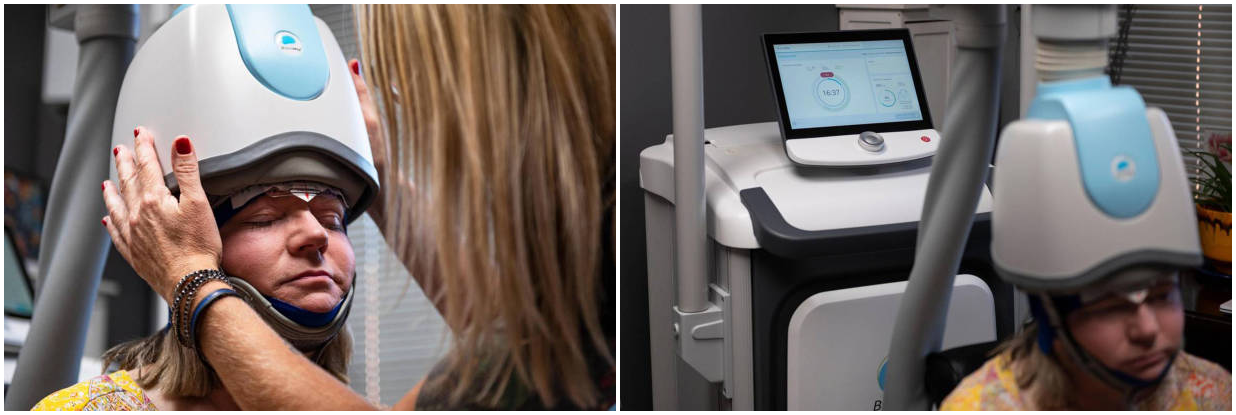
One of the most tangible differences between Neurostar and Deep TMS lies in the type of device and how it delivers magnetic stimulation to the brain. Neurostar uses a figure-8 coil that targets a specific area on the left side of the forehead, which is associated with mood regulation. In contrast, Deep TMS uses a specialized helmet-like H-coil designed to stimulate broader and deeper regions of the brain. This difference in coil design affects the depth and coverage of the magnetic pulses delivered during each session. Understanding how TMS devices target brain regions can clarify why some individuals respond differently to each technology.
Choosing between these devices may depend on which symptoms or conditions you are trying to address. The more focused stimulation of Neurostar might appeal to those whose depression is localized to certain brain circuits, while Deep TMS’s broader reach may benefit individuals with more diffuse or treatment-resistant symptoms. When you compare TMS Therapy Near Me options, asking about the device in use and its coil configuration can give you a clearer view of what to expect during your sessions.
Both technologies are cleared by regulatory bodies for the treatment of depression, but the practical differences in their construction can influence your experience and response. Some providers may offer a choice, while others specialize in one technology, so knowing these distinctions helps you ask the right questions during your search.
Comparing Clinical Efficacy for Treatment Resistant Depression
For those who have not found relief from traditional medications or psychotherapy, the effectiveness of TMS devices is a primary concern. Clinical studies have explored both Neurostar and Deep TMS for individuals with treatment-resistant depression—a form of depression that does not improve with standard treatments. One distinction is that Deep TMS’s H-coil design may reach deeper brain structures that are thought to play a role in severe or longstanding cases. This can be a deciding factor if your experience falls into the category of treatment resistance.
Neurostar’s focused approach has also demonstrated positive outcomes, especially for those whose depressive symptoms are linked to the specific brain region it targets. The choice between these devices often comes down to your personal history and your provider’s assessment of your needs. Consulting with a mental health professional familiar with both technologies can help you weigh the clinical evidence in light of your own situation.
To further inform your decision, reviewing the clinical guidelines for TMS in depression can provide context on how each device is used and what outcomes have been documented in research settings. Discussing these nuances with your provider ensures that your treatment plan is tailored to your unique experience of depression.
Patient Comfort and Treatment Session Logistics
Beyond clinical outcomes, the day-to-day experience of TMS therapy can affect your willingness to continue treatment. Neurostar sessions typically involve sitting in a comfortable chair with the coil placed against your head, lasting about 19 to 37 minutes depending on the protocol. Deep TMS sessions require wearing a cushioned helmet, with session lengths often ranging from 20 minutes and up. Some patients find the helmet heavier or more noticeable, while others are unbothered by the difference.
Noise level is another practical detail to consider. Neurostar’s device can produce a tapping sound as the coil pulses, while Deep TMS’s helmet may produce a different pattern of sensations. If you are sensitive to sound or physical sensations, ask providers about the experience during a consultation. Finding out about session frequency, time commitments, and what to expect during each visit can help you fit therapy into your weekly routine.
When you search for TMS Therapy Near Me, it’s important to discuss session logistics with the provider. The ability to schedule appointments that suit your work and personal life, along with your comfort during each session, can be as important as the technology choice itself. These factors often tip the balance when comparing local TMS options.
Selecting the Right TMS Provider for Your Needs
The choice between Neurostar and Deep TMS is closely tied to the expertise and offerings of the provider you select. Some clinics may only offer one type of device, while others allow you to compare TMS Therapy Near Me options in detail. Ask about the provider’s experience with both technologies, the training of their staff, and whether they perform an initial mapping session to personalize your treatment plan.
Insurance coverage can also differ depending on the device and the specific protocol used. Verifying your benefits before committing to a treatment plan can prevent unexpected costs. Some clinics provide support in navigating insurance paperwork, which can be a welcome relief during a stressful time.
Finally, look for a provider who communicates openly about the pros and cons of each technology, listens to your concerns, and sets realistic expectations. A collaborative approach where you are informed about each step—from device selection to session scheduling—can make a meaningful difference in your overall experience.
Conclusion
Focus first on your personal needs and preferences, then match those to the technology and expertise available from local providers. Asking questions about device type, clinical evidence, comfort, and scheduling will help you zero in on the best TMS therapy option for your journey toward better mental health.
Staff Writer; Roy Brown
