(ThyBlackMan.com) Markies Conway, 35 years old, now sits in a Texas state prison with the rest of his life stretched out in front of him. Most folks had no clue about that name. They knew Yella Beezy, the voice behind “That’s On Me,” the kid from Oak Cliff who clawed his way up from nothing. On November 11, a jury handed him a capital murder conviction for hiring the gunman who killed his rival, MO3. The verdict landed six years to the day after that highway shooting. Life without parole. A fresh prison mugshot that quickly made the rounds.
One question keeps pulling at me. How does a man who finally made it out wind up back inside a box, this time for good?
The answer sits in something we rarely say plain. Call it the tax on a certain brand of manhood. Conway had money. He had a record deal, a son, radio spins, and success most artists only dream about. Every reason on earth sat right there for him to let an old beef die quiet. Instead the feud with MO3 kept burning, with tensions tracing back to around 2017. Prosecutors argued that he paid $40,000 to end it in blood.
Sit with that figure. $40,000 is a down payment on a home. It could cover years of tuition, help start a business, or build something lasting for his boy. He spent it, prosecutors argued, chasing a ghost of respect.
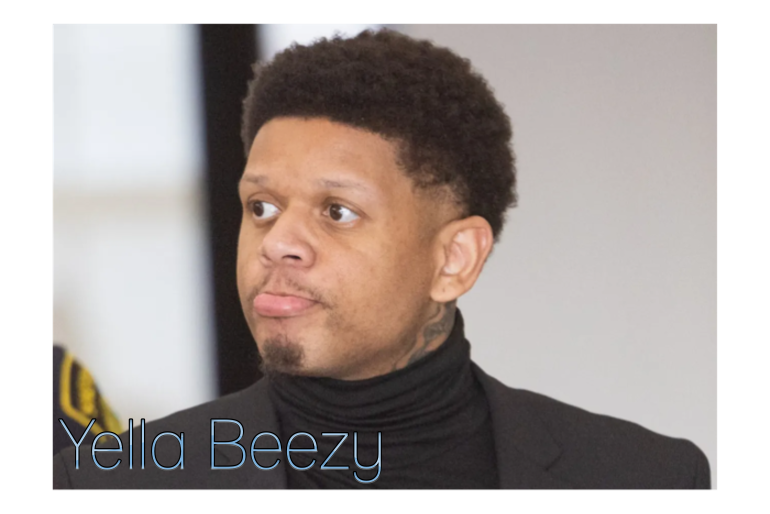
Here comes the part plenty of us struggle to hear. The code that carries Black men through a rough childhood can become the very thing that buries them grown. You come up where backing down gets you tried, where your name is the one currency nobody can repossess, so you learn early to let no slight slide. That instinct kept some boys alive on the way to school. Carried into your 30s with a bank account and a platform, it turns into a loaded weapon aimed at your own tomorrow.
Maybe nobody warned him. Or somebody did, and the warning couldn’t drown out the noise. Beezy survived his own ambush in 2018, shot three times on the Sam Rayburn Tollway, and lived to speak on it. Think about what that brush with death could have taught a person. A second life gets handed back to you. Now there’s room to step into church, hold your people close, and turn that pain into music. But the old street code offers another message. Get even. Guard the throne. Prove you can’t be touched.
That whisper cost him everything.
Let me be fair. The jury reached its verdict, and his lawyers have already announced plans to appeal. One witness even testified that he had lied in earlier grand jury statements, while the defense maintained that prosecutors built their case on speculation. Those disputes deserve to be remembered alongside the verdict. Even so, the larger warning rings true to anybody raised around Black men who mistook pride for purpose.
Here’s the cruelest twist. Prosecutors stood in front of the jurors and rapped his own lyrics back at them, pointing to songs they argued reflected the violent feud. The defense maintained that the music was artistic expression, not proof of a murder plot. Yet the persona he built to move records, a hard image worn like armor, became part of the evidence used against him. His art entered the courtroom, where the line between entertainment and real life became a question for twelve jurors.
We dress up the refusal to walk away as strength. It shows up in our songs, street slang, and barbershop debates. Backing down makes a man look weak. Real ones handle their business. Watch where that gospel leads once the stakes climb high enough, though. A successful young artist went from packed rooms to a prison bunk. Now someone else controls his days and family visits. Tell me which slice of that resembles winning.
Walking away is not weakness. I’ll put it plainer. Choosing your children over your ego is the hardest, most grown move a father can make. Pulling a trigger takes a life. Paying somebody else to do it does not wash the blood away. Swallowing disrespect and protecting what you’ve built takes real strength. The hard men we turn into legends too often ended up broke or behind bars. Those who turned their pain into ownership, built a legacy, and found peace deserve to be remembered.
MO3 left a mother who took the stand and relived her child’s death in open court, along with three children who lost their father. Conway’s young son sat in that same building, watching his daddy’s fate get read aloud. The boy left in tears. Two families gutted. A feud followed by a killing that nobody can undo. For what? Pride, fear of looking soft, and loyalty to some notion of toughness that never loved either of these brothers back.
The damage extends beyond the murder conviction. A September 2024 civil judgment ordered Beezy to pay MO3’s former manager, Brandon Rainwater, $478,200.43 over an earlier assault. Annual interest was set at 8.5 percent on any unpaid balance. Rainwater says the money remains unpaid, though available court documents do not establish whether payments have been made. The block promised respect. What it delivered was prison walls, grieving families, and a boy growing up without his father at home. The financial judgment remains, regardless of Conway’s lost freedom.
So let me speak straight to the brothers still carrying that old weight. The one who got the promotion but can’t let a comment online slide. Or the brother with a new business, sitting one subtweet away from doing something foolish. Success can make a man a bigger target, not a smaller one. Every dollar earned raises the stakes when pride takes over. The folks doing the baiting may have little to lose. Everything he’s worked for could disappear in one reckless moment.
Finish story here; Black Men, Yella Beezy, MO3, and the Deadly Price of Street Pride.
