(ThyBlackMan.com) Sunday night, Shannon Sharpe got to talking, and depending on where you sit, the man either pulled back a curtain or just vented into a mic with nothing to back it. On the September 20 episode of Nightcap, the Hall of Famer told his audience that certain agents have quietly warned their clients against appearing on the program. The trigger, by his telling, was something he and Chad Johnson said in 2025, though the specifics stayed foggy. The firm went unnamed. So did the ballplayer. What landed in our laps was an allegation that somebody with real influence had ruled his stream off limits to certain athletes.
Let me lay out what we can confirm. Shannon claims a representative reached out and made it plain that certain clients would not be sitting across from him. To hear him tell it, that’s hypocrisy in plain sight, the same crowd that praises open speech right up until the moment it pinches them. His point was that people support freedom of speech until somebody says something they disagree with, and that argument deserves consideration whether or not the wider tale checks out. Ocho was part of the conversation, and the discussion raised questions about who gets to decide which athletes appear on the program. Social media, being what it is, had plenty to say about the accusation before anybody could establish exactly what happened behind the scenes.
Past the drama, here is where the whole thing turns worth studying. Strip away the mystery agency and the vague callout, and the former tight end stumbled onto a question this culture has circled for years. How much say does a man really hold over his own voice once he signs with a shop?
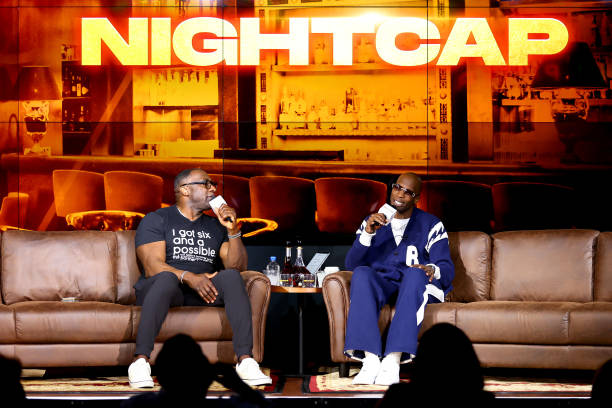
Because let’s not play. Managing image is the gig. It isn’t some conspiracy, it’s the literal job description. These offices exist to keep talent marketable, to smooth over messes, to whisper “maybe skip that one” when a room looks radioactive. The good ones build crisis plans and walk ballplayers through sitdowns so a bad soundbite doesn’t torch an endorsement. A young athlete with generational money on the table needs somebody watching the blind spots, and a sharp adviser earns that fee by seeing trouble three moves ahead. None of that reads as villainy. That reads as competence.
So a representative urging caution around a host who has faced his share of controversial headlines? Reasonable. Shannon faced a highly publicized civil lawsuit in 2025 involving sexual assault allegations he denied. The case was settled and dismissed that July, and ESPN subsequently parted ways with him. A careful representative might consider that history when weighing whether a multimillion dollar client belongs in that chair, though nobody has established that the lawsuit played any role in the guest restrictions Sharpe described. A family hiring somebody to protect an athlete’s reputation isn’t necessarily looking for a yes man. Sometimes the person earning that fee has to deliver advice the client doesn’t want to hear.
But a canyon sits between guidance and a flat “you cannot go.” One is counsel. The other is a leash.
That gap is the whole ballgame. Somebody online framed it perfectly, asking whether the agent works for the player or the player works for the agent. Sit with that. We’re talking about grown Black men. Fathers. Business owners. Guys who absorbed hits that’ll ache in the knees at fifty. And the notion floating around is that one phone call from a representative could potentially dictate which conversations get had at all. We don’t know whether any athlete actually wanted to appear on Nightcap and was prevented from doing so. That distinction matters. But if a player wants to sit down for an interview and somebody else can override his decision without his consent, it raises a serious question about who’s steering the ship.
Money explains plenty. Endorsement checks, appearance fees, and brand partnerships can give agents considerable influence over an athlete’s public image. A player who depends on that professional relationship might think twice before challenging a representative’s advice, even when the final decision remains his own. Rock the boat, ask one question too many, wander onto the wrong stage, and a man might start wondering whether those opportunities could dry up. That doesn’t mean the unnamed agency threatened anybody financially or interfered with endorsement deals. We have no evidence of that. Still, the possibility of losing valuable business relationships can influence which conversations an athlete chooses to have and which subjects he would rather leave alone.
Still, I’m not handing Shannon a clean pass either. He named nobody, and he provided no correspondence or other evidence that listeners could examine independently. A heavy charge deserves heavy backing, and “y’all know who you are” isn’t backing, it’s a public callout with a gold jacket behind it. Vagueness cuts both ways. It lets the man present himself as somebody being unfairly excluded while leaving the audience without enough information to determine what actually happened. It also lets folks pour whatever meaning they please into the empty space. Once speculation takes over, theories that have nothing to do with a ballplayer’s right to book his own calendar can quickly muddy the discussion.
Aim the lens where it belongs, though, and the core matter survives the noise. Grown professionals ought to pick which rooms to enter. A trainer can tell you to skip leg day. Chaining your ankles is another story entirely. An adviser can flag a risky booking and spell out the downside in plain English. Yanking the decision out of a man’s hands completely, without an agreement giving that representative such authority, crosses into something else. Black men who built a name with nothing but talent and a mouth shouldn’t need a hall pass to speak.
The counter deserves air, because it’s fair. Reputation is fragile, and one loose hour beside the wrong host can cost a guy a shoe deal he spent a decade building. When a client pays a shop to guard the brand, firm boundaries may be part of the arrangement. Tell your people “handle my press, I trust you,” and a refusal to approve an appearance can become that trust in motion, not a betrayal of it. Plenty of quiet stars are happy letting somebody else swallow these headaches. An athlete who voluntarily gives his representatives control over media bookings hasn’t necessarily surrendered his independence. He may simply have decided that managing those decisions is part of the service he’s paying for.
Both truths hold at once. That’s the messy part people want to skip. Protecting somebody can be the right thing to do. Silencing him against his wishes is another matter. Trouble is, from the cheap seats the two look nearly identical, and only the parties inside that arrangement know which one is really unfolding. Until the athletes themselves explain whether they wanted to appear on Nightcap, nobody outside those conversations can say for certain whether their representatives were carrying out their wishes or overriding them.
So who runs the conversation? Not the host, plainly, or there’d be no venting into a mic about empty guest chairs. Maybe the ballplayers made their own decisions and simply had no interest in appearing. Maybe their agents advised them against it, and they agreed. Or perhaps some wanted to participate and were told the booking would never happen. Those are different situations, and the distinction matters. The honest answer is that power in this business doesn’t always sit with the face we see. Sometimes it rests with the athlete, sometimes with the representative he hired, and sometimes with the terms of an agreement the public knows nothing about. Black men who have built careers through their own talent deserve a clear understanding of who controls their public appearances and how much authority they have handed over. Shannon’s complaint, whether he provides evidence or not, at least hauled that question into daylight. Now we find out whether anybody with skin in it has the nerve to answer.
Staff Writer; J.G. Lacour
Covering the NBA, NFL, college basketball, college football, and Major League Baseball from a Black man’s perspective. He loves the full world of sports, but the NFL remains his favorite.
Need to contact this bro, feel free to use this email address; JGLacour@ThyBlackMan.com.
