
(ThyBlackMan.com) When comparing off-road vehicles, every rider eventually faces the same dilemma: UTV or ATV? Your reliable autobot helper won’t choose the machine for you, but it can help you avoid unnecessary risks-especially when checking a vehicle’s VIN, reviewing a vehicle’s history, or confirming that a vehicle identification number hasn’t been misused or linked to unwanted records. Whether you’re buying new or through an auction, both performance and the car’s past matter just as much as the thrill of the ride.
This becomes even more important when comparing different types of off-road vehicles, as each comes with its own characteristics and risks. While the decision often comes down to personal preference and intended use, understanding how ATVs and Quad Bikes differ in terms of control, stability, and performance can make the buying process more informed and safer overall.
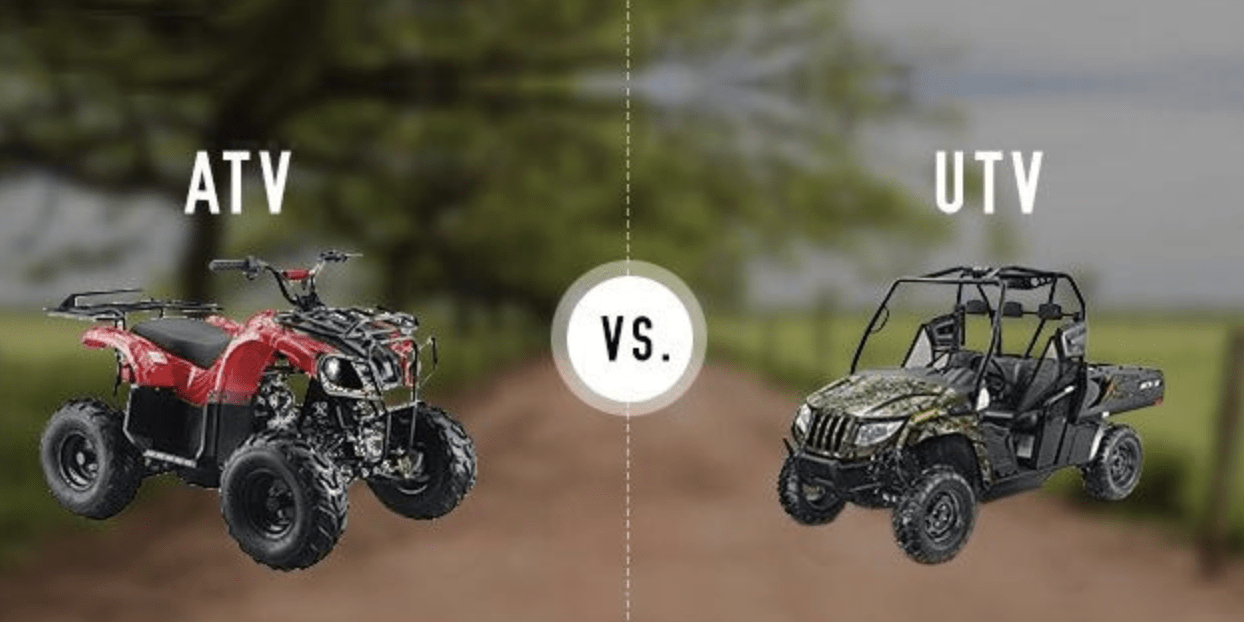
Key Differences Between UTVs and ATVs
ATVs (All-Terrain Vehicles) and UTVs (Utility Task Vehicles) may share a purpose—conquering rugged environments—but they serve different styles of riders. ATVs are built for agility, quick cornering, and narrow trails. You ride them motorcycle-style, with a straddle seat and handlebars, which naturally appeals to solo explorers who value maneuverability and a direct connection to the terrain.
UTVs, in contrast, are side-by-side vehicles equipped with automotive-style steering wheels, bucket or bench seats, and sturdy frames. They can carry multiple passengers, making them ideal for family trips, utility work, long-distance rides, or hauling equipment. While ATVs thrive on tight forest tracks, UTVs shine in open terrain, agricultural settings, and environments where stability and comfort matter more than compactness.
Ultimately, your choice depends on riding style, terrain, cargo needs, and how many people you plan to bring along.
Comparing Technical Specifications: UTVs and ATVs
The differences between ATVs and UTVs go beyond seating. Engine power, transmission types, torque delivery, and fuel capacity all significantly impact how each machine performs in real-world situations.
Transmission and Power Delivery
ATVs commonly use simple transmissions—manual, semi-automatic, or lightweight CVTs. Their gearing favors responsiveness and precision, ensuring the rider feels every change in the terrain. This sharp power delivery is perfect for those who want maximum control during solo high-adrenaline rides.
UTVs use stronger, more durable transmission systems, often larger CVTs or automatic gearboxes with selectable modes such as 2WD, 4WD, and differential lock. Their power delivery emphasizes stability and load capacity rather than razor-fast reactions. The result is smoother acceleration, steadier traction, and stronger performance under weight—ideal for hauling tools, towing loads, or carrying passengers.
Engine Types and Power Range
Modern ATVs typically range from 400cc to 1000cc. Their lighter engines improve agility and quick response, especially on technical trails. Their excellent power-to-weight ratio allows for lively and dynamic riding.
UTVs often feature engines exceeding 1000cc, sometimes multi-cylinder setups, delivering significantly more horsepower and low-end torque. Built for long-distance durability, towing capability, and multiple passengers, they perform best in work environments, rocky landscapes, and steep climbs.
Fuel Tank Capacity
Because ATVs are lighter and designed for shorter rides, they usually have smaller fuel tanks. While efficient, long-distance routes or wilderness trips may require planning ahead.
UTVs, however, generally include larger tanks due to bigger engines, higher weight, and longer operating hours. For work crews, off-road adventurers, or hunters spending full days outdoors, the increased range is a practical advantage.
Pros and Cons of ATVs and UTVs
Choosing the right off-road vehicle means weighing strengths and limitations rather than getting swept up in excitement.
Advantages of ATVs
- Excellent maneuverability in narrow, uneven, or wooded terrain
- Compact size simplifies storage and transportation
- Lower purchase and maintenance costs
- Perfect for solo riding, sport use, and fast trail navigation
Limitations of ATVs
- Minimal passenger capacity
- Limited space for gear, tools, or supplies
- Less built-in safety protection
Advantages of UTVs
- Carry multiple passengers comfortably
- High towing capacity, stronger hauling performance
- Equipped with passive safety systems (seat belts, roll cages, wider stance)
- Great for long-distance rides, group adventures, and professional use
Limitations of UTVs
- Higher purchase and operational costs
- Requires more trailer space or dedicated transport
- Less maneuverable in tight or technical terrain
Popular Brands & Top Off-Road Models
The off-road market offers robust and well-established brands, including:
- Polaris — RZR (sport), Ranger (utility), Sportsman (ATV)
- Can-Am — Maverick (sport), Defender (utility), Outlander (ATV)
- Honda — Pioneer (UTV), FourTrax (ATV)
- Yamaha — Wolverine (UTV), Grizzly (ATV)
Each manufacturer provides a wide selection for sport riders, utility needs, and multi-purpose off-road applications.
Safety Criteria: Comparing ATVs and UTVs
ATV safety depends greatly on rider skill. Because the rider is exposed, proper helmets, gloves, boots, and body protection are essential. ATVs require active balance, body positioning, and precise control, especially in steep or slippery environments.
UTVs offer more passive safety through seat belts, roll cages, and a wider stance that improves stability. While generally safer for families or beginners, UTVs still require caution—particularly when cornering at high speeds or navigating uneven surfaces.
Key safety considerations include:
- Checking suspension and tire condition
- Monitoring load distribution
- Avoiding overloading with cargo or passengers
- Understanding terrain limits
- Reviewing service records and mechanical condition
No off-road vehicle is immune to misuse, regardless of type.
The Process of Selecting and Buying an Off-Road Vehicle at a US Auction
Auctions like Copart and IAAI provide thousands of off-road vehicles at competitive prices. However, buying at auction requires clear planning and disciplined decision-making.
- Define your needs — passenger count, terrain type, intended use
- Set a budget — include auction fees, repairs, and transport
- Analyze the listing — photos, notes, and condition summaries matter
- Inspect key components — frame, suspension, engine bay, electrics, plastics
- Verify the vehicle’s VIN — confirms authenticity and history
- Check the car history — accident records, service records, ownership records, and title status
- Prepare post-auction logistics — storage, transportation, and initial servicing
Many buyers target ATVs or UTVs with cosmetic damage or minor mechanical issues—these often deliver the best value after refurbishment.
The Importance of Checking a Vehicle’s VIN
A VIN acts as the full identity of the vehicle—its documented life. A proper VIN check reveals accident history, service records, ownership transfers, and any red flags hidden within public databases. A car’s history directly affects resale value, insurance eligibility, and long-term safety.
Off-road vehicles frequently pass through auctions, rental programs, or fleet operations, meaning their records may accumulate unnecessary or incorrect entries. Sometimes buyers discover outdated, duplicated, or irrelevant data tied to the car’s history after purchase.
Removing or Cleaning Certain VIN-Related Data
In legitimate cases—especially with auction purchases—owners may request:
- removal of outdated listing photos
- correction of inaccurate VIN history entries
- removal of duplicated or irrelevant scraped data
- fixes to ownership or registration inconsistencies
This often includes deleting VIN history entries that no longer represent the vehicle or correcting situations where delete vin history requests revolve around errors or mismatched public records.
This is entirely different from attempts to illegally manipulate safety-critical data. Required entries—such as verified past accidents, legal title updates, and essential ownership records—cannot and should not be removed.
For vehicle owners, the benefits include:
- maintaining privacy
- improving resale value with a clean and accurate history file
A typical step-by-step guide for this process includes:
- identifying incorrect or unwanted entries
- submitting removal or correction requests
- working with professional services specializing in record adjustments
- verifying final accuracy across public databases
Many platforms now offer multilingual support, which is helpful when exporting ATVs or UTVs internationally.
Conclusion
Both UTVs and ATVs offer exceptional off-road experiences, but your choice should align with your terrain, budget, and expectations. Just as important as performance is understanding a vehicle’s past. Checking the vehicle’s VIN, reviewing the vehicle’s history, and ensuring the car’s history doesn’t include irrelevant or incorrect records protects you from costly surprises.
Choose intentionally, ride safely, and let your autobot helper handle the details so you can focus on the adventure—not the paperwork.
Staff Writer; Carl Love
