(ThyBlackMan.com) Outsourcing food production changes more than the facility making a recipe. It affects ingredient control, batch consistency, packaging, labeling, refrigeration, and delivery schedules. A brand needs complete specifications before requesting quotes because low unit pricing cannot offset weak controls or unclear ownership.
The right production partner must match the product’s process, volume, and sales channel. Several practical checks should come before any agreement. Those checks begin with the production brief and continue through quality release.
Start With a Complete Production Brief
A useful brief starts with the product’s identity and intended customer. It should state the recipe, dietary claims, pack size, target volume, delivery area, and launch date. Brands comparing organic co-packing services in Los Angeles should ask how recipes are scaled, ingredients are traced, and finished items move under refrigeration. Those answers show whether a partner can protect product standards beyond a sample run.
The brief should separate fixed requirements from flexible decisions. A fixed requirement could include a gluten-free production environment, a particular package format, or a defined ingredient source. Flexible items could include a variety pack, production schedule, or initial order size.
Brands should also identify the product’s expected shelf life. Fresh meals, juices, refrigerated snacks, and frozen products require different handling, labeling, storage, and distribution plans. A co-packer should respond to the actual product rather than a simplified description.
Confirm Recipe Development and Scale-Up
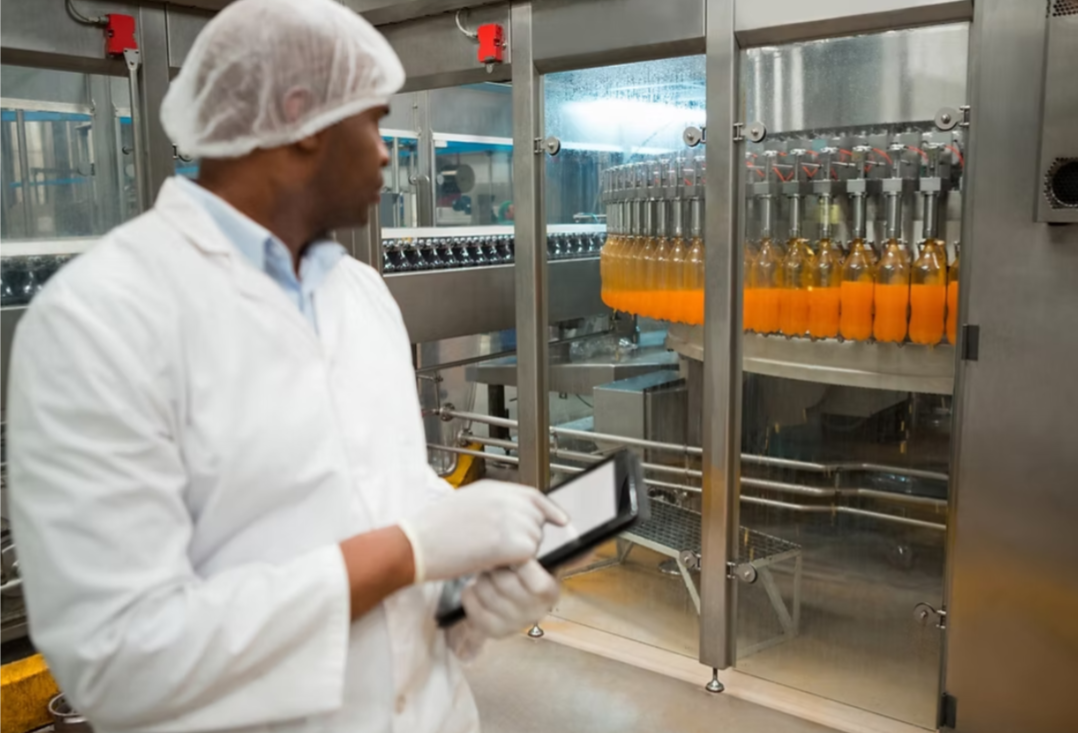
A kitchen that produces a successful small batch still needs a controlled method for increasing volume. Scaling can change cooking time, texture, fill weight, cooling speed, and ingredient performance. The production partner should explain how the recipe moves from an early concept to repeatable production.
Recipe ownership needs written terms. The agreement should identify who owns the formulation, who approves substitutions, and who pays for development work. The agreement should also specify how revisions are documented, samples are tested, and the final production version is approved.
Chef-driven recipe development can help brands address taste and preparation issues before production expands. The inspected page describes recipe development and scale-up from ghost kitchen concepts to larger production. That service matters when a product must retain its original qualities at higher volume.
Examine Ingredient and Allergen Controls
Ingredient sourcing affects cost, flavor, claims, and supply continuity. A brand should request ingredient specifications, approved substitutions, lot records, and traceability procedures. Organic claims require careful review because every relevant ingredient and handling step must support the label statement.
The inspected co-packing page describes organic sourcing with USDA-aligned ingredient traceability on every production run. It also identifies an organic and gluten-free certified kitchen, plus allergen-controlled production managed at the kitchen level.
A brand should ask how ingredients are received, stored, measured, and recorded. Allergen controls should appear in written procedures, production scheduling, sanitation, and label review. These controls should operate before a product reaches packaging, rather than after a problem appears.
Match Minimums and Capacity to Demand
Large production commitments create pressure before a brand has proven demand. Flexible minimum order quantities give an emerging brand room to test retail, direct-to-consumer, corporate wellness, or fitness channels.
The production forecast should include expected first orders, repeat orders, seasonal peaks, and acceptable inventory levels. A co-packer needs enough information to reserve labor and materials without forcing unnecessary stock.
Capacity discussions should cover weekly output, lead times, ingredient purchasing, changeover requirements, and emergency production. A smaller first run does not remove the need for precise scheduling. It makes production planning more important because errors consume a larger share of available inventory.
Put Quality Standards in Writing
A contract should describe specifications, batch records, testing responsibilities, rejection rules, corrective actions, and recall communication. It should also state who approves process changes and how the brand receives production documentation.
The inspected page identifies a HACCP-compliant kitchen and a gluten-free production environment. Those details provide a useful starting point for due diligence, but the brand should request current documentation and confirm how procedures apply to its product.
The best questions focus on daily practice. Ask who checks weights, who releases a batch, how deviations are recorded, and what happens when an ingredient arrives outside specification. Clear answers matter more than broad assurances.
Conclusion
A food brand should choose outsourced production by comparing process control with commercial needs. The review should cover recipe scale-up, ingredient traceability, allergen handling, packaging, labeling, cold-chain dispatch, order minimums, and written quality procedures.
A practical next step is to send a complete production brief, request a documented workflow, and compare each response against the product’s fixed requirements. That record gives the brand a clearer basis for pricing, negotiations, and a controlled first production run.
Staff Writer; Fred Brown
