
(ThyBlackMan.com) In 2024, two hotels and several residents of San Francisco’s Tenderloin district sued the city, alleging it is using the neighborhood as a containment zone for rampant illegal drug use and other vices, making the residents terrified to leave their homes and businesses unable to recruit staff.
According to the complaint filed in federal court, the plaintiffs did not seek monetary damages. Instead, they wanted officials to clear sidewalks of illegal drug dealers and fentanyl users, violent behavior, and tent encampments and to treat the troubled Tenderloin area as it would any other neighborhood where crime is not tolerated. “They demand an end to the rampant illegal street vending and from the squalor and misery that exists throughout their neighborhood because the city has decided that people in the throes of addiction can live and die on the Tenderloin streets,” said Matt Davis, one of the attorneys, in a prepared statement.
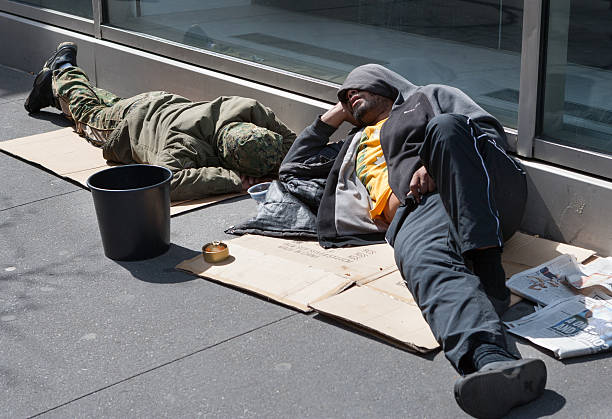
In downtown Los Angeles, Central City East, also known as Skid Row, remains a critical humanitarian and public safety crisis characterized by a massive concentration of 4,000 to 5,000 unsheltered homeless individuals across a 50-block area. Similar to the troubled Tenderloin section of San Francisco, Skid Row struggles with severe open-air drug markets, violent crime, daily emergency calls connected to drug overdoses, and untreated mental illness, leading to dangerous and unpredictable conditions, particularly after dark.
There have always been various degrees of poverty and poor people in our nation, but we didn’t always have large-scale and visible homelessness on the streets of our cities across America. While conservatives revere Ronald Reagan for how he transformed the conservative movement, the modern mass homelessness crisis in the U.S. emerged in the early 1980s and is tightly linked to policy and ideological shifts under President Reagan — especially cuts to affordable housing, social safety-net programs, and mental health services, combined with “Reaganomics” and deregulation that increased economic insecurity for low-income residents.
Before the early 1980s, older “skid row” districts comprised a relatively small homeless population–often single men in transient hotels or missions–rather than families, women, and children in large numbers. The rise in homelessness coincided with the election of Reagan and a conservative movement to roll back federal responsibility for social welfare. The Reagan administration advanced an individualist, anti- “big government” ideology that framed poverty and homelessness as personal failure rather than structural injustice. It aimed to cut domestic social spending, deregulate markets, and shift responsibility to states, cities, and private charity.
One of the most direct targets was the sharp reduction in federal funding for low-income housing. Federal housing assistance (construction and support for low-income housing) was cut by roughly 70 percent to 80 percent over the decade: funding fell from around $30 to $32 billion in 1981 to about $7 to $9 billion by the late 1980s, drastically shrinking new affordable housing production and subsidies. As older units aged or were demolished and with no comparable new stock being provided, poor households were pushed into an increasingly tight private rental market, with more people ending up in shelters or on the streets.
The policy of “Reaganomics” did not help people who were already living on the margins. It combined tax cuts for the wealthy, deregulation, and a tight monetary policy that contributed to high unemployment in the early ‘80s, particularly in industrial and urban areas where many low-income people lived. At a time when wages stagnated or declined for low-wage workers, rent rose faster than incomes in many cities, creating an affordability gap that left more households one crisis away from losing the roof over their heads. The Reagan administration’s budget severely reduced funding for key safety-net and social services programs that were in place to guard poor households from homelessness. Programs affecting income support, health, and human services, including Aid to Families with Dependent Children (AFDC), food assistance, and other social programs—faced tighter eligibility requirements, making it harder for vulnerable families to stay housed. Local governments, also squeezed by federal cuts, struggled to expand shelters and services fast enough, leading to overcrowded emergency systems and more people left outside.
The first target of the Reagan administration was housing. The second was the safety-net programs, and the third was mental health policy. The shift away from large state psychiatric hospitals had begun earlier, but Reagan’s administration reduced federal support for community mental health centers and shifted responsibilities to states without providing sufficient resources. These unfunded mandates resulted in many people with serious mental health and substance-use challenges ending up homeless or cycling between streets, shelters, and jails rather than receiving stable treatment and housing. We cannot forget how the specific cuts and policy shifts under Reagan established a long-lasting affordable housing deficit and weakened the safety net that subsequent administrations have not fully reversed.
The current homelessness is not only a humanitarian and public safety crisis, but it is also threatening local tourism. Homeless encampments destroy tourism, warns George Lence of Nicholas & Lence Communications. When referring to New York, he stated that the city and state stand to lose $7.5 billion in tourism tax revenue.
Many people can easily forget how the Reagan administration brought us to this point. Now we are faced with the human fallout from Trump’s “One Big Beautiful Bill.” The Band-Aid solutions don’t work. The encampment policy of removing tents from sidewalks is only optics when the tents return, or they show up one block away. Jurisdictions must decide whether they will continue to manage visible suffering through sweeps, temporary housing through hotels and fragmented service, or seriously reverse Reaganomics by accepting the political cost of building large-scale permanent housing along with expanding mental health and addiction treatment.
Written by David W. Marshall
Official website; https://davidwmarshallauthor.com/
One may purchase his book, which is titled;
