
(ThyBlackMan.com) Folks love to file Michael Jackson under pop and keep it moving. The glove, the moonwalk, the spin that stopped a stadium cold. All of it real. None of it the whole man. Anybody raised on a transistor radio and a decent pair of speakers knows the part they leave out, so let me say it plain. The brother could scream. Not screech. Scream. There’s a canyon of difference between the two, and it sits somewhere below the ribs, and he found the bottom of it more than once whenever a track turned mean on him.
I came up on soul. Sam Cooke floating over Sunday, Otis digging in the dirt, Al Green when the grown folks cleared the room. So when I put Michael in that lineage, take it to the bank. He also belonged somewhere louder and rougher, a place with amps stacked head high and a sweating guitar player daring him to keep up. That side got treated like a rumor. Time to run the tape back and look at the receipts, because the receipts are wild.
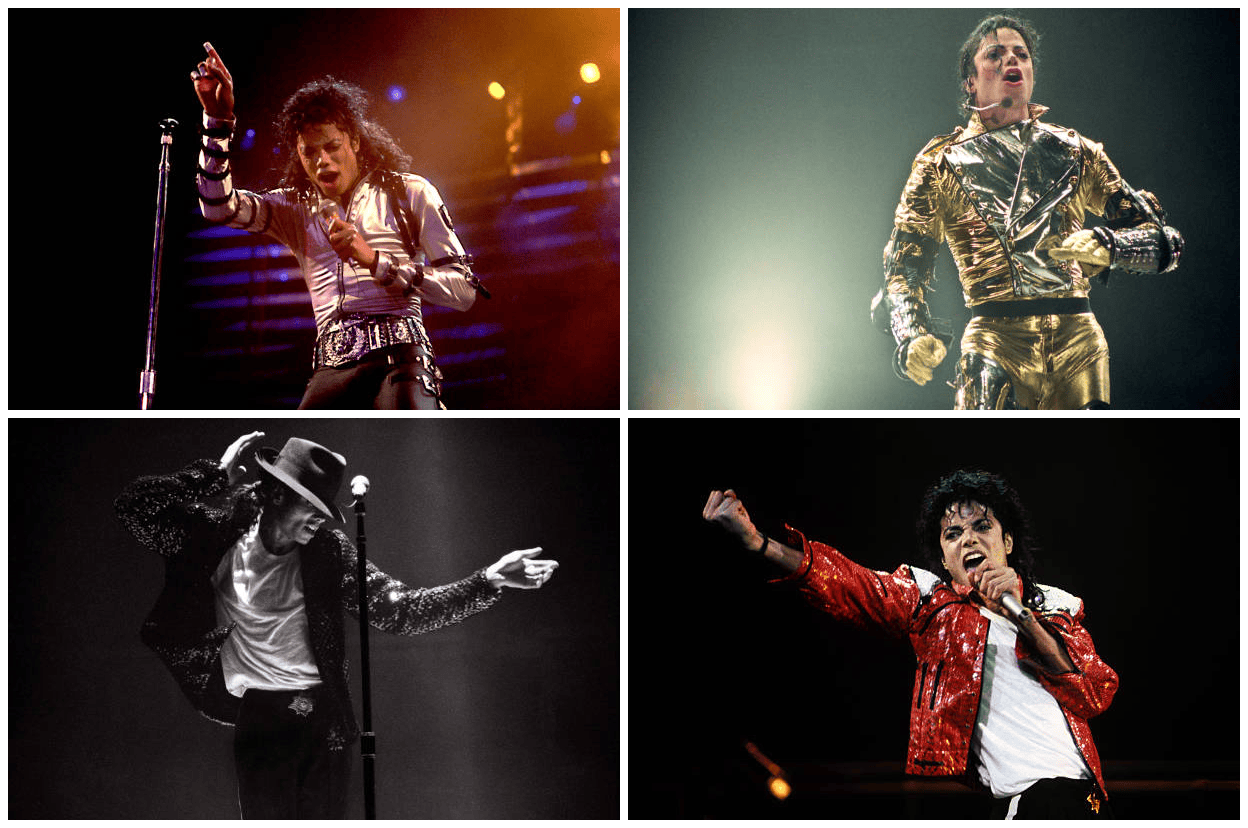
Start where everybody has to, with “Beat It.” Here’s a thing most people never learned. Michael told Quincy Jones flat out he wanted to write the kind of hard number he’d buy himself if he ever bought one. That was the whole mission on Thriller, cross the tracks and appeal to the kids nodding along to Van Halen. So Quincy called Eddie, and Eddie showed up and did something outrageous. He didn’t just blaze over the section handed to him. He rearranged and edited sections of the multitrack to fit his idea, then burned the thing down. That left Jeff Porcaro and Steve Lukather with the job of building a fresh groove around Michael’s existing vocal and Eddie’s solo. Sit with that. The vocal was already so locked, so alive, that a Toto rhythm section rebuilt an entire record underneath it rather than lose a single breath. Then Quincy decided the guitars sat too aggressive for radio and had them softened. The voice, he kept. That tells you which element carried the danger. Underneath Eddie’s fireworks Michael isn’t cooing. He’s snarling, chewing his consonants, shoving air like he’s got something to prove to the men in the room. Radio spun the cut into wallpaper and we quit hearing it. Shame. Buried in all that familiarity is a delivery hard enough for any metal station in the land.
Roll forward five years to “Dirty Diana,” and honestly the case makes itself. Quincy and Michael wanted to chase the lightning of “Beat It” again, so they reached past the session pros and hired Steve Stevens, the flashy six-string sidekick from Billy Idol’s camp. Stevens showed up nervous, expecting an entourage and chaos, and instead found Michael, Quincy and the engineer keeping things remarkably small, with Quincy eventually turning him loose to do whatever he pleased. What Stevens carved out still makes grown men grab an invisible neck in the cereal aisle. Peel the leads back, though, and listen to the man underneath them. He enters low, stalking. He climbs. By the finish he is flat out howling her name into the dark, and here’s the tell, the tone cracks and he lets it crack on purpose. Careful singers hide their strain like a bad hand of cards. Michael weaponized his. He plays a man cornered by his own weakness, and you can taste the sweat, the shame, the wanting. That closing stretch, all nerve and no polish left, went to number one and became the fifth straight chart topper off Bad. A hard rock ballad about a groupie, sung with the desperation of gospel. Only he could do both at once and mean it.
Hand him Slash and the whole enterprise turns nastier. On “Give In to Me,” off Dangerous, the Guns N’ Roses man came in after the demos were already cut and dropped a fuse on the thing. It opens near a whisper, almost tender, the King of Pop pleading while that Les Paul coils in the shadows like it’s waiting on a signal. Once he grants it, the number cracks open and his voice chases the fire right off the ledge. He’s begging and demanding inside a single breath. That is a hard trick, and he lands it clean because his instrument came built for the reach. Soul taught him how to plead. The heavy stuff taught him how to shove. Rolling Stone caught it at the time and clocked that grittier, throaty menace in the delivery, the way it flirts with something almost cruel while Saul Hudson’s strings whip and soar behind him. They shot the video in Munich two days before the Dangerous tour kicked off, staged like a live concert so you’d feel the heat. Getting the collaboration together took time, but once Slash finally entered the picture, Michael gave him plenty of room to work. Out of it came one of the meanest ballads either man ever touched.
Then there’s “D.S.,” and the gloves don’t just come off, they get thrown across the room. Anybody who knows the backstory knows exactly who Michael is spitting at. He built the whole track as a diss aimed at Tom Sneddon, the Santa Barbara prosecutor who ran the 1993 investigation and was involved in the court-authorized body search and photography that humiliated him deeply. The printed lyric calls the target “Dom Sheldon,” but contemporary listeners and reporters had little difficulty connecting the song to Sneddon. He is clearly unloading his anger over and over, riding a grunge-dirty riff and one more furious lead from the top hat. This is Michael sounding purely enraged, a register his biggest hits almost never allowed him. No footwork, no crossover charm, only a cornered man screaming back at his tormentor across a beat that won’t quit. Ugly on purpose. The composure he kept locked up for the cameras comes all the way loose here, and what pours out is contempt with a pulse.
“Morphine” might be the bravest and strangest swing in the entire catalog, and he damn near buried it. Tucked onto the Blood on the Dance Floor mix in 1997, it lurches between industrial clang and New Jack swing, Slash again throwing sparks across the wreckage. Michael is hollering about his own numbness, the needle, the chase. Then, dead center, around the three minute mark, the machinery falls away and he sings this aching, gorgeous lullaby about Demerol, gentle as a hand on a fevered forehead, before the clang comes roaring back to swallow him whole. That contrast is the whole point of the exercise. Tenderness and violence stacked inside one recording, and he carries both ends without dropping either. Knowing the prescription-drug struggles that surrounded his later life, the cut plays with an unsettling weight in retrospect, like a man wrestling on record with something darker than the audience fully understood at the time. He even threaded in a spoken sample from The Elephant Man. That’s how deep the wound ran on this one. Few artists would attempt such a swing. Fewer could land the plane.
And “Come Together.” Covering the Beatles is a fool’s errand for most mortals. Michael strolls in holding part of the deed, and I mean that almost literally, since his 1985 purchase of ATV Music gave him control of the publishing rights to most of the Lennon-McCartney catalog. He cut his version during the Bad sessions in the fall of 1986, Bill Bottrell riding the board. He doesn’t ape Lennon. Doesn’t try to out cool the original. He just brings his own hunger, drops the groove low and greasy, and struts through the verses like a man who has nothing left to prove to anybody. His phrasing runs loose, cocky, a shade dangerous. Where the Beatles sounded hazy and slurred, he sounds wide awake and hungry. Listen to it and you get the ache of what might have been, a whole leather-jacket album he could have cut in this bag if the machine hadn’t already decided what shape his career was allowed to hold.
That’s the frustrating truth of it. The public wanted singles, ballads, dance floor magic, so his heavier work got shelved as a side dish when it deserved half the plate. He owned every tool the harder music asked for. The grit, the nerve, the willingness to sound genuinely ugly when a number called for ugly. And he never once misplaced himself doing it. That’s the detail the pop story skips clean over. Drop Freddie Mercury anywhere and he stays Freddie. Let Prince shred and he lands as Prince. Michael carried that same rare gift. Bury him in a wall of distortion and he comes out unmistakably himself, that little catch riding through the register, the breath control, the flair for pure drama.
Part of why we forget, I think, is timing and something uglier underneath it. His peak lined up with a moment when Black artists reaching for a Les Paul got quietly nudged back toward their own lane. Little Richard practically laid the foundation this whole church was built on, and people still act startled when a Black man walks through the front door of it. So Michael’s harder edge never got the respect it earned. Waved off as novelty, a tourist passing through somebody else’s neighborhood. Nonsense. He wasn’t visiting. That block was home too.
Try the experiment yourself. Put those six recordings on one playlist and hand them to somebody who only knows “Thriller” and “Billie Jean.” Watch the face change. The snarl buried in “Beat It.” The collapse at the tail of “Diana.” The venom coursing through the Sneddon record. The dark beauty of the Demerol lullaby. The swagger he brings to Lennon’s tune. The way he and that Guns N’ Roses guitarist burn “Give In to Me” clean down to the studs. None of it is pop wearing a costume. That’s a vocalist who understood rage as one color on the palette and reached for it whenever the canvas hollered.
We shortchange the man remembering only the smooth. He held a whole storm behind glass, fed us the shine because the shine sold the tickets, but every so often that glass shattered and something wilder got loose in the room. Those flashes deserve their own shelf. Their own argument at three in the morning between two people who love this music enough to raise their voices about it.
So next time some purist swears Michael was nothing but a chart machine, cue up “Dirty Diana” and turn the dial past neighborly. Let that final wail carry the full weight of it. Ain’t one soft bone in there. That’s a grown man screaming up from the very floor of himself, and it stands proud next to anybody you care to name. Believe that.
This brother loves poetry, music, and the culture that raised him… His words come from somewhere honest, and they speak to everyday Black folks just living their lives… Reach him at JJackson@ThyBlackMan.com.
