
(ThyBlackMan.com) June is Black Music Month, and for anybody who loves R&B the old way, that means more than playlists and quick social media posts. It means remembering where the sound came from, who carried it, and why certain records still feel alive after the needle leaves the vinyl. Earth, Wind & Fire sit high in that story because they gave Black music something rare. They brought the church, the stars, the dance floor, the horn section, the African drum memory, the jazzman’s discipline, and the family reunion smile into one mighty sound.
Questlove’s new HBO documentary on the band arrived at the right moment. Younger listeners may know “September” from movies, weddings, commercials, and stadium speakers, but old school music lovers know there is a whole world behind that one chorus. Maurice White was not just chasing hits. Brother had vision. He wanted music to lift people out of heaviness, even while telling the truth about love, sorrow, joy, faith, and survival.
Down South, Earth, Wind & Fire never sounded like background music. Those records lived in the yard while somebody grilled. They rode through car speakers with the windows down. They played while aunties laughed in the kitchen, cousins danced too close to the furniture, and uncles tried to remind everybody they still had footwork. Great music becomes part of the house. Their catalog did that.
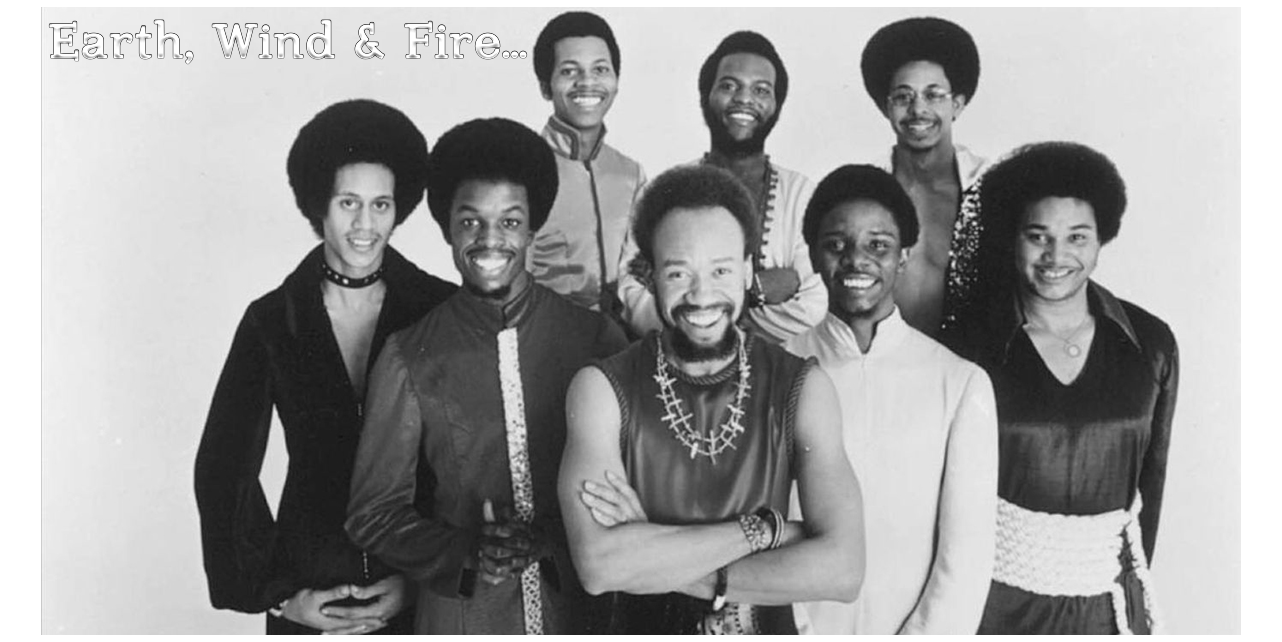
“Shining Star” still walks in with shoulders back. Right from the first groove, it feels like confidence being poured into the room. Not cheap bragging. Not loud emptiness. Real confidence. The kind a person needs after life has tried to make him feel small.
Maurice White understood encouragement did not have to sound weak. He placed it inside funk, horns, bass, and a vocal attack that made the message stand firm. When the band says a person can shine, it does not sound like a greeting card. It sounds like commandment.
Older ears hear something deeper now. Life can dim a brother through disappointment, bills, grief, racism, broken trust, and mistakes he wishes he could take back. Still, that record comes on and reminds him that light can return.
Young folks might hear “Shining Star” as motivation. Those of us with some miles on us hear survival wearing a good suit. Hope has rhythm here. Pride has discipline. Joy has muscle.
“That’s the Way of the World” feels like wisdom sitting on a porch after sundown. It does not rush the listener. Nothing about it sounds desperate. Smoothness carries the message, but beneath that beauty sits a hard understanding of life.
Some songs tell you everything straight. This one lets feeling breathe. The melody seems to know that sorrow and beauty often sit at the same table. That is grown music. It trusts the listener enough not to overexplain.
Maurice White gave people uplift without lying to them. The world can be cold. People can disappoint you. Dreams may not unfold the way you planned. Even then, the spirit still needs tending.
Hearing it now, I think about elders who had every reason to become bitter but chose grace instead. They had scars, yet they kept manners. They had pain, yet they kept dignity. That is the kind of wisdom this song carries.
“Reasons” belongs to the late night. Philip Bailey’s falsetto does not merely climb. It pleads, floats, aches, and reaches somewhere above ordinary singing. Plenty of vocalists can hit notes. Few can make those notes feel like confession.
Southern slow jams were never just about romance. They taught men how to sit with tenderness when pride tried to shut everything down. Many brothers who struggled to speak feelings could let a song like this speak for them.
Inside “Reasons” lives desire, confusion, longing, and vulnerability. Love is not always clean. Sometimes a man wants closeness without understanding what is driving him. Sometimes loneliness disguises itself as passion.
That is why the song still holds power. It does not make yearning simple. Bailey’s voice turns human weakness into something almost spiritual. The result is sensual, but also wounded, and that combination keeps it honest.
“Devotion” carries church in its bones without becoming a church record. That balance is part of the beauty. The harmony rises with reverence, while the rhythm keeps the body involved. Soul music has always known how to stand between sanctuary and celebration.
Black music moves across rooms better than any sound on earth. Sunday morning, Saturday night, front porch, back pew, cookout, funeral repast, and wedding reception can all meet inside one song. “Devotion” understands that crossing.
That word itself has weight. Devotion is not a mood. Devotion means staying faithful when excitement fades. It means showing up after the applause stops. It means giving your heart to something larger than appetite.
Maurice White believed music could elevate people. “Devotion” proves that belief was not decoration. He wanted the listener to move, yes, but he also wanted that soul to rise a little higher before the record ended.
“Sing a Song” sounds joyful in a way that feels almost childlike, but nobody should mistake simple reach for simple construction. Every piece is placed with care. Horns smile. Vocals bounce. Rhythm makes the whole thing feel like sunshine after rain.
Family gatherings need records like this. Children can catch the chorus. Grown folks can clap along. Elders can nod from a chair. Nobody has to study the tune before joining in. That type of welcome is part of its genius.
Singing has always helped Black people endure. Work songs, spirituals, blues, gospel, soul, and R&B all carry evidence. Our people sang through pain that should have crushed them. Sound became medicine before anybody used that language.
So “Sing a Song” is not shallow because it feels happy. Joy can be serious business. Sometimes survival sounds bright because sorrow has already had too much time at the microphone.
“Getaway” moves like somebody leaving stress behind before it steals another piece of peace. The bass line has travel in it. Drums push. Horns cut through the air. Nothing drags. Everything points forward.
Everybody needs release. Work can drain a person dry. Family pressure can sit heavy on the chest. Bad news can pile up until the mind feels crowded. This track does not complain about that feeling. It offers motion.
Funk becomes freedom here. Not freedom in some vague slogan way. Real freedom. The kind found in a ride across town, a weekend away, a dance floor, or ten minutes where nobody needs anything from you.
For a Southern man, “Getaway” sounds like open road, warm air, and a radio loud enough to push worry into the ditch. Maybe problems will still be waiting later, but for those few minutes, rhythm gives the spirit room.
“Fantasy” shows how far the band’s imagination could travel. Earth, Wind & Fire never limited themselves to ordinary love songs or basic dance cuts. They reached toward stars, symbols, ancient memory, and future light.
The track feels rich, almost cinematic. It does not rush into the room. It opens slowly, inviting the listener into a place where beauty has no shame. Dreams receive dignity here.
Our people have always needed imagination. Grandparents dreamed through uglier circumstances than many of us can comprehend. Parents dreamed while working jobs that barely respected their names. Artists dreamed while labels tried to shrink their reach.
That makes “Fantasy” more than a pretty record. It honors the inner life. A person who can still dream has not been fully conquered by the weight of this world.
“September” gets played everywhere, yet overexposure has not killed it. That says something. Many hits grow tired after too much use. This one keeps smiling. The record almost refuses to age.
Craft sits beneath all that happiness. The groove is tight. Vocals are light but never weak. Horns burst in at just the right moments. Every section knows its place, which is why the joy feels effortless.
No heavy message is required. Sometimes music simply needs to remind people that gladness is possible. In an age where anger travels fast and sorrow never seems far away, clean joy feels almost rebellious.
Down here, “September” sounds like a reunion before anybody starts fussing. Plates are full. Children are running. Somebody’s aunt is laughing too loud. For a few minutes, the whole family remembers how good life can feel.
“Boogie Wonderland” shines bright, but under that glitter sits a little ache. The Emotions help turn it into something larger than a dance record. Their voices bring urgency, beauty, and pressure to the floor.
Disco got mocked by people who did not understand what movement meant to tired communities. Working folks, Black folks, women, city folks, gay communities, and anybody carrying private trouble could find release under those lights. Dancing was not always escape. Sometimes it was survival.
Listen closely and the song says more than party. It says find a place where loneliness loosens. Find a rhythm strong enough to shake grief off your shoulders. Find a room where trouble cannot sit comfortably.
That is why “Boogie Wonderland” still works. The production sparkles, but the need inside it remains human. Folks still carry pressure. Folks still need somewhere to dance before the world hardens them.
“After the Love Has Gone” sits at the grown folks table. This is not teenage heartbreak, loud for attention and hungry for drama. Here, pain wears a clean shirt, sits quietly on the bed, and wonders how warmth left the room.
The vocals are polished, but the hurt remains plain. Restraint makes the record stronger. Nobody oversings the wound. Nobody turns grief into a circus. Each line feels controlled because the person singing is trying not to fall apart.
By a certain age, the title alone can sting. Love does not always end through betrayal or shouting. Sometimes neglect does the damage. Sometimes pride builds the wall. Sometimes silence finishes what anger started.
That is why the ballad still lands. It respects loss. It understands regret. It gives dignity to the person standing in the ruins, asking how something beautiful slipped away.
“Let’s Groove” proved Earth, Wind & Fire could step into a new era without sounding lost. The early eighties brought different textures, cleaner drums, and electronic flavor, but the band kept its identity.
Many classic acts struggled when music changed around them. Chasing trends can make legends look unsure. Here, adaptation felt natural. The groove changed clothes, yet the spirit remained familiar.
This record knows exactly what it came to do. It wants bodies moving, faces brightening, and worries stepping aside. No confusion. No heavy explanation. Just polished joy with seasoned musicianship underneath.
Play it now and somebody will move. Maybe slower than before. Maybe with one hand protecting a knee. Still, that groove will find the body. Time passes, but real rhythm remembers us.
Earth, Wind & Fire still hit hard because the music was never thin. Maurice White built something with body, soul, discipline, imagination, and faith. His vision honored Black musical depth while reaching the whole world.
Black Music Month gives us a reason to say that plainly. Our sound built more than entertainment. It carried history, prayer, pleasure, rebellion, tenderness, and genius. This band placed all of that inside records people could dance to.
Questlove’s documentary may bring fresh attention, and that is good. Younger listeners deserve context. They deserve to know there was a vision behind the horns, robes, symbols, falsettos, bass lines, and celestial stage designs.
Old school R&B lovers already knew. We heard it when those records came through speakers at cookouts, skating rinks, living rooms, and long rides home. Some groups made hits. Earth, Wind & Fire made memory move.
All these years later, their songs still rise because they were built with care. They still shine because the light was real. They still hit hard because joy, pain, faith, romance, and rhythm were never separated. Maurice White understood that music could lift a people without leaving the body behind. That gift remains, and the fire has not gone out.
