
(ThyBlackMan.com) Peabo Bryson was one of those singers you did not have to explain too much to a certain generation. Just say his name around folks who came up on real R&B, and somebody in the room is going to nod before you even finish the sentence. That is how strong his voice was. That is how deep his music sat with people. He was not just another man with a good tone. Peabo Bryson was a vocalist. There is a difference, and old school music lovers know exactly what that means.
A singer can carry a tune. A vocalist can carry a feeling. Peabo carried feeling. He could take a plain line about love, regret, longing, or devotion and make it sound like a man had lived through every word before he stepped to the microphone. He had that clean voice, but it was not empty clean. It had soul inside it. It had church somewhere in the background. It had supper on the stove, lights low in the living room, and grown folks sitting close without needing to say too much. That was the kind of music he made.
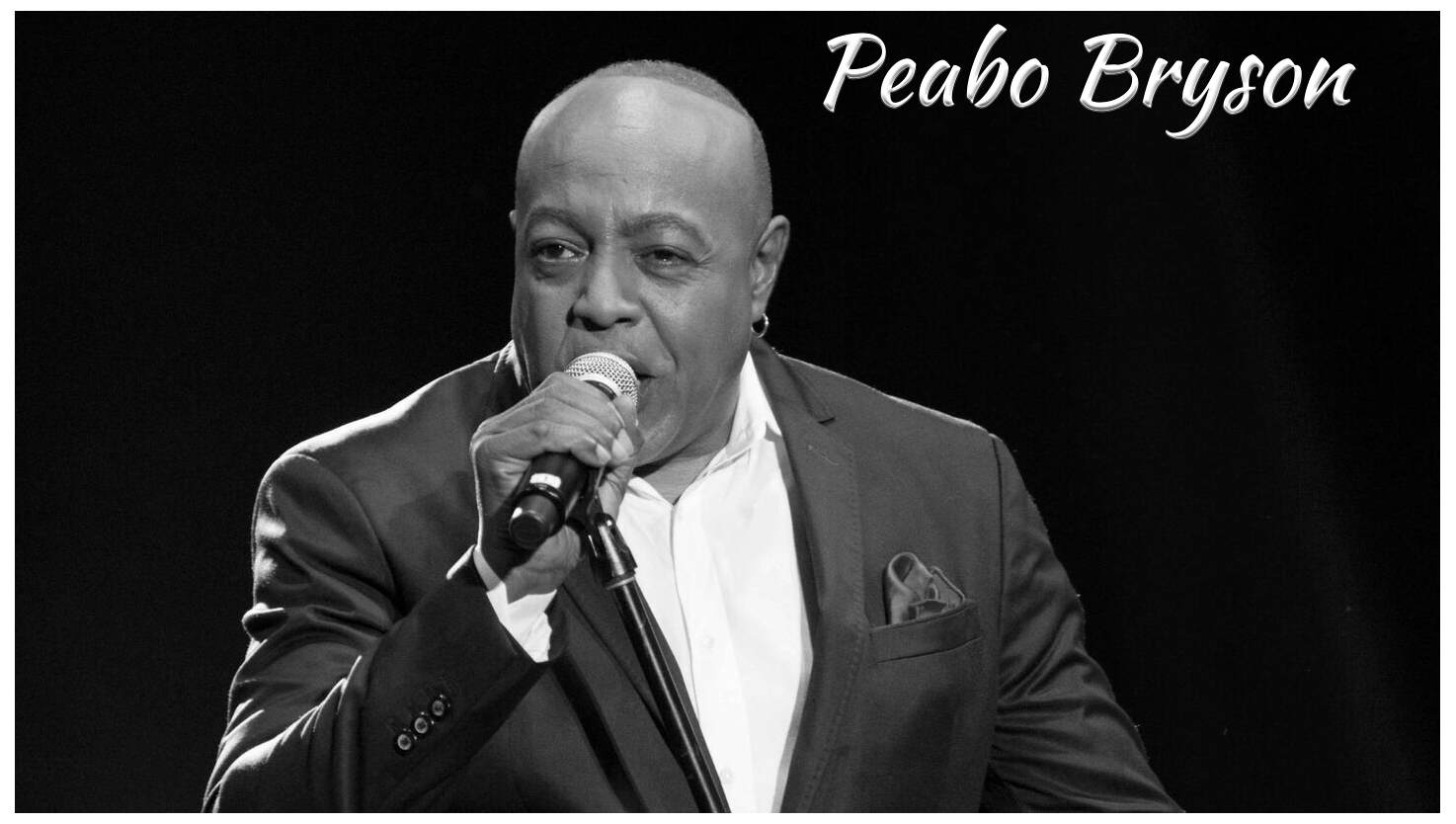
With the sad news of his passing, a lot of people will remember the Disney songs first. That is understandable because those records were huge. “Beauty and the Beast” with Celine Dion and “A Whole New World” with Regina Belle put his voice in front of children, parents, movie lovers, and folks who may not have owned one Peabo Bryson album. But for those who already knew him, those songs were not the start of the story. They were just another chapter in a book that had already been well written.
When you go back to “Feel the Fire,” you hear the heart of Peabo Bryson. That record still sounds like a man standing in truth. He does not sing it like somebody trying to win a talent show. He sings it like somebody trying to reach one person. That is why the song still works. The arrangement gives him room, and he uses every inch of it. He starts smooth, then lets the emotion rise slow. Not rushed. Not forced. Just real.
“Feel the Fire” is the kind of record that reminds you of when R&B singers had patience. Nobody was trying to get to the hook in ten seconds. Nobody was afraid of letting the band breathe. The song had a mood, and Peabo knew how to walk through that mood like a gentleman. He could hit the big notes, but he did not throw them around like loose change. He saved them for when the feeling called for it. That is old school discipline.
Then you can slide right into “I’m So Into You,” and there is that easy Peabo charm. He made romance sound respectful. That might sound simple, but it is not. A lot of men can sing about wanting somebody. Peabo could sing about wanting somebody and still make it sound like he honored her. That is why women loved his voice and men could respect it too. He did not sound like he was running game. He sounded like he meant what he said.
“I’m So Into You” has that smooth feeling where a man is not ashamed to admit he is caught up. He is not trying to be hard. He is not standing in the corner acting like love cannot touch him. He is saying what it is. That was part of Peabo’s gift. He could sing softness without sounding weak. He could sing tenderness and still sound like a grown man. Some artists never learn how to do that.
When “Tonight, I Celebrate My Love” comes on, that is grown folks territory right there. Peabo Bryson and Roberta Flack gave that song a kind of class you cannot fake. It feels like two people who have nothing to prove to anybody. They are not performing love for the crowd. They are sitting inside it. Roberta brought that calm, elegant voice of hers, and Peabo brought warmth that wrapped around the song without squeezing it too tight.
That record is a lesson in duet singing. Peabo did not try to outsing Roberta Flack. Roberta did not try to outshine Peabo. They respected the song and respected each other. That is why the record aged so well. It still sounds right at a wedding. It still sounds right on an anniversary. It still sounds right when somebody who has been married a long time looks across the room and remembers why they stayed. That is not just music. That is memory.
“If Ever You’re in My Arms Again” is another one that hits different when you have lived a little. Young ears might hear a pretty ballad. Grown ears hear regret. Peabo sings that song like a man who knows he fumbled something precious. He is not begging in a cheap way. He is not making noise just to be dramatic. He is standing there with his heart open, saying if love ever gives him another chance, he will not waste it.
That is why the song still connects. Everybody who has been through something understands the weight of another chance. Sometimes you do not miss the person fully until the silence comes. Sometimes the lesson arrives after the door closes. Peabo knew how to put that kind of feeling into a record. He made regret sound honest. Not pitiful. Honest. That is a hard line to walk, and he walked it beautifully.
By the time you get to “Can You Stop the Rain,” you are hearing a seasoned Peabo. That voice had a little more life in it by then. Still smooth, still powerful, but with more weather on it. That song is not just about missing somebody. It is about the storm that stays after love leaves. The rain in that record feels like loneliness. It feels like memories you cannot turn off. It feels like looking out the window and knowing the person you want to call is not coming back the way you wish.
Peabo sings “Can You Stop the Rain” like a man who has been sitting with heartbreak for a while. He does not rush through it. He lets the ache stretch. That is what makes the song so strong. He understood that sadness has rhythm too. You cannot sing a song like that too clean or too cold. You have to let some of the hurt show. Peabo did, but he never lost control. That is why the record belongs with the great R&B ballads of its time.
“Show & Tell” is another record worth spending time with because Peabo knew how to handle another man’s song with respect. Al Wilson’s version already had its place, so Peabo did not need to come in and act like he was inventing the wheel. He just brought his own polish to it. He smoothed it out, gave it that Peabo Bryson finish, and made it sit comfortably inside his own catalog.
That is something real music lovers appreciate. Peabo had taste. Some singers can sing, but they do not always know what to sing or how to approach it. Peabo knew. “Show & Tell” did not need shouting. It needed charm. It needed a man who could make the words feel personal. Peabo gave it that. He made the song sound like a conversation across the table, not a performance from a stage.
“Reaching for the Sky” shows another side of him. Peabo was not only about romance and heartbreak. He could also sing hope. That record has lift in it. It has a man looking beyond where he is and believing there is more ahead. You can hear brightness in his voice on that one. Not fake happiness. Real lift. The kind that comes from somebody who has seen a few clouds but still believes the sun is somewhere behind them.
That song matters because it reminds people that Peabo Bryson had range beyond love songs. Yes, he was a master balladeer, but he could also sing aspiration. He could sing about reaching, trying, growing, and believing. His voice had enough soul to make hope sound earned. That is not easy. A lot of inspirational records feel too sweet. Peabo kept his grounded. He made the listener feel like better days were possible without sounding like he was selling a dream.
“Let the Feeling Flow” is Peabo doing what the title says. He lets the feeling move. That sounds small, but it is the whole secret to his style. He did not choke a song with too many tricks. He trusted the melody. He trusted his tone. He trusted the words. That is what a lot of newer singers could learn from him. You do not have to run up and down the scale every other line. Sometimes the strongest thing a singer can do is stay still long enough for the listener to feel the lyric.
That record has a certain ease to it. It is smooth, but it is not sleepy. It has romance, but it is not corny. That was Peabo’s lane. He knew how to make love songs for adults. Not just older people, but adults. People with bills, memories, mistakes, hopes, and somebody they still think about when a certain song comes on. “Let the Feeling Flow” fits right inside that world.
Then there is “A Whole New World” with Regina Belle. Now some hard-core R&B heads may try to act like they are too cool for Disney songs, but a great vocal is a great vocal. Peabo and Regina sang that record with real beauty. Regina Belle had her own power, and Peabo met her with grace. They made a movie song feel like a true duet. It was magical, yes, but it also had grown musical skill inside it.
That song introduced Peabo to people who may not have known “Feel the Fire” or “I’m So Into You.” Children heard him. Parents heard him. Families heard him. That matters. A voice like his deserved to travel far. “A Whole New World” did not take away from his R&B legacy. It added another door for people to walk through. Some folks came in through Disney and later discovered the deeper records. That is how legacy works.
The same thing happened with “Beauty and the Beast” with Celine Dion. Peabo stood beside one of the biggest vocalists in popular music and sounded completely at home. He did not get swallowed up. He did not try to overdo it either. He brought warmth. Celine brought power and clarity. Together they made a record that still carries that tender movie magic.
What Peabo brought to “Beauty and the Beast” was maturity. He gave the song a gentleman’s voice. You listen back now and hear how carefully he phrases each part. He does not just sing it pretty. He shapes it. He gives it softness, but there is strength underneath. That is why he worked so well on those big soundtrack records. He could make a song feel grand without losing the human touch.
“By the Time This Night Is Over” with Kenny G is another one that should not be overlooked. Some folks like to talk down on smooth jazz, but there is a time and place for that kind of sound. Late night. Long drive. Clean shirt. Good cologne. City lights. That record has that kind of grown mood. Kenny G’s saxophone gives it atmosphere, and Peabo’s voice gives it heart.
The thing about Peabo is that he could step into different spaces and still be himself. Put him with Roberta Flack, he fits. Put him with Regina Belle, he fits. Put him with Celine Dion, he fits. Put him beside Kenny G’s saxophone, he fits. That is not luck. That is musicianship. He had enough identity in his voice that the setting could change, but the soul remained the same.
“I Can’t Imagine” is another song that carries that later Peabo warmth. It has the sound of a man who still believed in singing from the heart even after the music business had changed around him. By then, R&B was in a different place. The radio was different. The younger crowd had different tastes. But Peabo still sounded like Peabo. That means something. A real artist does not have to chase every trend to prove he is still alive.
That song feels like a reminder that devotion never goes out of style. The production may belong to a later season in his career, but the feeling is classic. Peabo’s voice still had that sincerity. Still had that adult touch. Still sounded like a man who respected the craft. When a singer can carry that kind of class across decades, you are not dealing with an ordinary talent.
“Love Means Forever” is the kind of title that almost tells you everything about Peabo Bryson’s musical world. Forever. Commitment. Promise. Those were not strange ideas in his songs. He came from an era where R&B could speak about love like it was sacred. Not perfect, because love is never perfect, but sacred. Something you treat with care. Something you do not play with like a toy.
Peabo made that kind of message believable because his voice sounded trustworthy. That was one of his greatest strengths. When he sang about forever, it did not sound like a slogan. It sounded like a man who had thought about what the word meant. In today’s world, where so much music treats relationships like quick business, a song like that feels even more valuable.
What made Peabo Bryson special was not just the hits. It was the standard. He represented a time when R&B singers had to stand on voice, tone, phrasing, and feeling. No smoke and mirrors. No hiding behind the machine. When Peabo opened his mouth, you heard training, natural gift, and years of work. You heard a man who respected the song.
For Black music lovers, his place is secure. He belongs in that conversation of male vocalists who made tenderness sound strong. That is important. Peabo did not have to be rough to sound masculine. He did not have to be cold to sound like a man. He showed that a man could sing with grace, speak of love, admit pain, and still stand tall. That is part of what made him so beloved.
His passing hurts because voices like that are rare. We live in a fast music world now. Songs come and go. Artists trend one week and disappear the next. But Peabo Bryson’s music was not built for quick attention. It was built for slow dancing, long remembering, and quiet evenings when people still want to hear somebody sing like they mean it.
So when folks talk about Peabo Bryson, let them talk about the whole story. Talk about the Disney classics, yes, because those songs mattered. But also talk about “Feel the Fire.” Talk about “If Ever You’re in My Arms Again.” Talk about “Can You Stop the Rain.” Talk about “Tonight, I Celebrate My Love.” Talk about the smooth cuts, the heartfelt cuts, the songs that made grown people sit still and listen.
May Peabo Bryson rest in peace. He gave the world a voice filled with beauty, class, romance, and soul. For those who love real R&B, his music is not going anywhere. It will keep playing in living rooms, kitchens, cars, and hearts. It will keep reminding us that there is a difference between somebody who can sing and somebody who can make a song live.
