
(ThyBlackMan.com) When the news broke that Sonny Rollins passed away at 95, it honestly felt like a piece of American music history slipped away quietly in the middle of the night. Some artists become famous. Some become respected. Then there are rare souls who reach a point where their name alone carries weight across generations. Sonny was one of those men. Even folks who did not know every album still understood they were looking at greatness whenever his horn touched the air. A real craftsman has left this world, and for people who love jazz deeply, this one hurts.
I remember hearing older brothers talk about him with the kind of respect usually reserved for family elders. They spoke about Sonny the same way basketball fans talk about Michael Jordan or how church folks speak on gospel legends who changed lives from the pulpit. His music carried wisdom inside it. Not fake sophistication either. Real feeling. Real struggle. Real thought. Some players knew how to move fast through notes. Sonny knew how to make notes breathe. That is why his sound stayed with listeners long after the record stopped spinning.
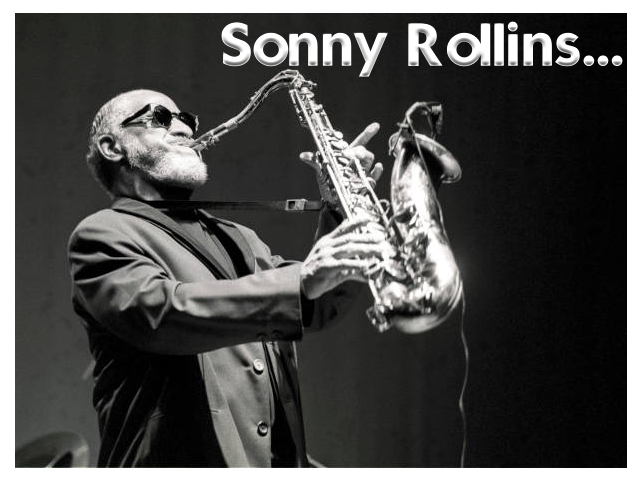
One thing people always admired about him was discipline. This was a brother who could have stayed comfortable after finding success, but he chose another path. During the peak of his career, he stepped away from the spotlight because he believed he still had more to learn. Think about that in today’s world for a minute. Most entertainers cannot stay away from cameras for two days without begging for attention online. Sonny walked away from applause so he could sharpen his craft in peace. The famous stories about him practicing for hours on the Williamsburg Bridge became part of jazz folklore because people respected the seriousness behind it. That was not ego. That was commitment.
Albums like Saxophone Colossus still sound alive today because he played with emotion instead of chasing trends. Records from that period carried warmth and honesty. The song St. Thomas remains one of those pieces that can brighten a room almost instantly. You could hear Caribbean influence dancing through the melody while still feeling the depth of American jazz. Sonny had range. One performance could make somebody smile while another could leave a listener sitting silently with their thoughts afterward.
A lot of younger people may not fully realize how important musicians like Sonny were to Black culture overall. Jazz musicians from his generation traveled through ugly periods in this country while still creating beauty for the world. They dealt with segregation, disrespect, bad contracts, and barriers many artists today thankfully never had to face. Yet they still gave everything they had to the music. Sonny represented that spirit perfectly. He carried himself with dignity while letting the saxophone do the loud talking for him.
He also stood among giants and still managed to sound unique. Imagine sharing space with people like John Coltrane, Miles Davis, and Charlie Parker while still carving out your own lane. That says everything about the level Sonny operated on. His tone had personality. Some musicians can play technically well, but you never truly feel them. Sonny sounded human. There was humor inside certain solos. Pain inside others. Confidence too. He could make the instrument feel conversational without saying a single word.
Another reason jazz lovers connected with him was because he aged gracefully within the art. He never looked desperate to fit into every new movement. Sonny seemed comfortable being himself. That matters because too many people spend their later years trying to stay trendy instead of honoring who they already became. He understood his value without needing constant validation. Younger musicians respected that. Older listeners appreciated it even more.
There was also intelligence behind his work that made people return to the records repeatedly. You might hear a song at twenty years old and enjoy the rhythm. Then you revisit it later in life and suddenly catch emotional layers you completely missed before. That is how lasting music works. It grows with the listener. Sonny’s catalog did that for many households. Fathers introduced him to sons. Uncles played him during long conversations about life. College students discovered him during late nights trying to understand jazz history. His music traveled through generations naturally.
What makes this loss feel heavier is realizing how few giants from that era remain. Men like Sonny were living connections to a period where jazz still sat near the center of Black artistic identity. Back then, musicians practiced endlessly because the culture demanded excellence. Audiences listened carefully. Every performance mattered. Sonny came from that school. He carried standards that feel almost old fashioned now, but maybe that is exactly why people admired him so much.
The modern entertainment world moves fast. Everything feels disposable. One week people love something, then by the next week they already moved on. Sonny Rollins represented the complete opposite of that mindset. His music asked listeners to slow down. To sit with emotion. To appreciate timing, silence, and detail. Those qualities cannot be rushed. That is why his recordings continue reaching people decades later.
Many fans tonight are probably revisiting old albums while reflecting on where they first heard his sound. Some remember parents cleaning the house with jazz floating through the speakers. Others remember late evening drives while Sonny’s saxophone filled the car with warmth. Certain songs become attached to real moments in life. That is something streaming numbers can never measure properly. Music becomes memory after enough years pass.
His accomplishments speak loudly on their own. Grammy recognition. Lifetime achievement honors. Praise from critics across multiple generations. Endless admiration from musicians worldwide. Yet somehow none of those awards fully explain what made Sonny special. The real magic sat inside the feeling people carried after hearing him play. You cannot manufacture that kind of connection artificially.
A true elder has gone home now. Jazz lost one of its final towering figures. Black music lost another architect whose fingerprints still exist all across modern sound whether people realize it or not. Sonny Rollins gave listeners honesty through music for decades, and brothers like him are not replaced easily.
Rest peacefully to a man who gave everything he had to the art.
And for those who spent years listening to Sonny Rollins records over the decades, how did his music touch your spirit personally?
Staff Writer; Jamar Jackson
This brother writes with a love for poetry, music, and real conversations that reflect everyday life in the Black community… Much of his inspiration comes from old records, spoken word, and the kind of stories people carry with them for years… One may contact him at; JJackson@ThyBlackMan.com.
