
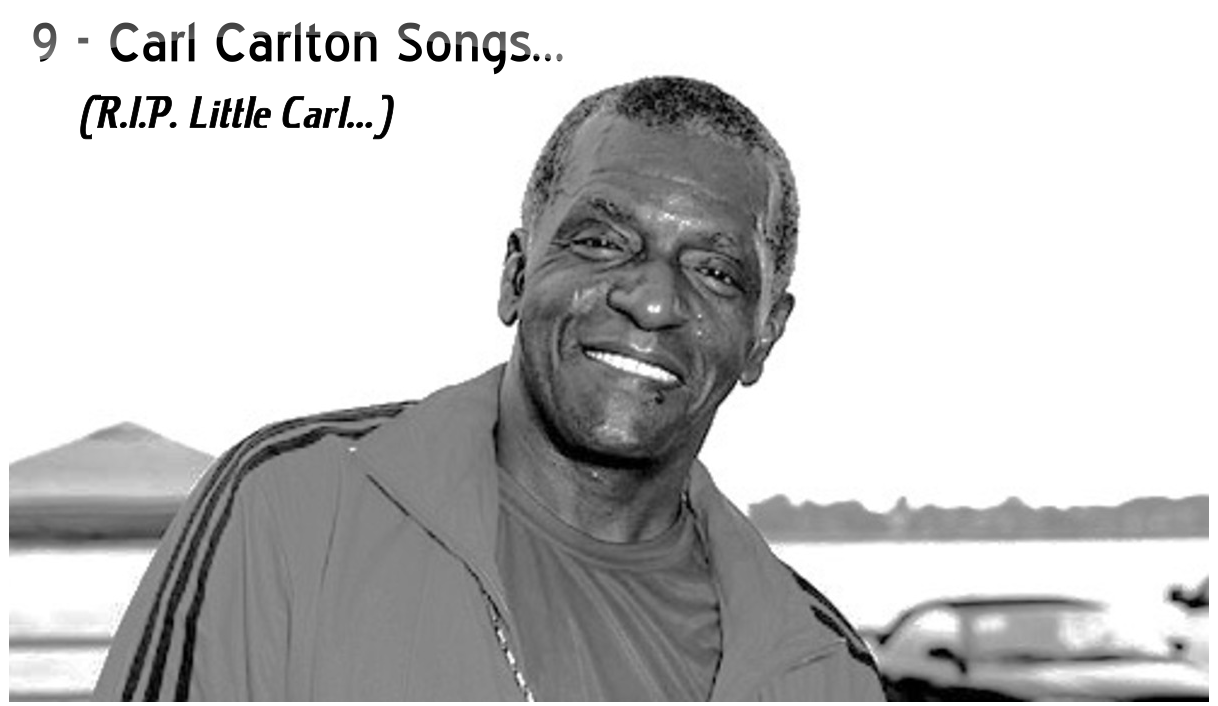
(ThyBlackMan.com) The soul and funk world lost a true original with the passing of Carl Carlton. While his name may not always be the loudest in mainstream retrospectives, his voice and grooves have lived quietly and powerfully inside the culture for decades. Carlton was one of those artists whose music never needed constant explanation. You heard it, you felt it, and you understood it. With his death, there is a renewed reminder of just how much joy, movement, and emotional warmth he gave to generations of listeners.
Carl Carlton occupied that special space where soul met funk without losing heart. His records were built for dance floors, car stereos, roller rinks, cookouts, and intimate moments alike. He could make you smile without being silly, groove without being gimmicky, and feel something without spelling it out. That balance is rare, and it is why his catalog still resonates long after its original release.
As fans revisit his music in the wake of his passing, it becomes clear that Carl Carlton was more than a hitmaker. He was a mood setter, a storyteller, and a voice that understood how rhythm and emotion work together. These nine songs capture the essence of his artistry and explain why his music will continue to be played, shared, and celebrated. Carl Carlton will truly be missed, but the grooves he left behind make sure he is never gone.
1. Everlasting Love
No Carl Carlton list can begin anywhere else. “Everlasting Love” is the record that introduced him to a wider audience and permanently etched his voice into the soul music canon. Though originally recorded years earlier by Robert Knight, Carlton’s 1974 version did something special. It lifted the song out of straight pop-soul territory and dropped it squarely into the heart of funk, where it found new life and new movement.
What Carlton brought to the record was confidence and joy that felt contagious. His vocal delivery is youthful and open, never forced or overly polished. He rides the groove with ease, trusting the rhythm to carry the momentum while he colors the song with personality. Those subtle ad-libs, the slight pushes on certain lines, and the way he leans into the chorus all give the track a sense of freedom. The horns explode through the mix like rays of sunshine, while the bass line keeps everything locked into a feel-good pocket.
What truly separates Carlton’s version from many covers is its soulfulness. There is grit beneath the polish, warmth beneath the bounce. You can hear the singer behind the song, not just the performance. It never feels manufactured or overly slick. Instead, it sounds like a group of musicians locked in, enjoying the moment and letting the groove speak. That balance between joy and authenticity is what gives the record its staying power.
Decades later, “Everlasting Love” remains a guaranteed crowd mover. Weddings, family reunions, backyard parties, and retro DJ sets still lean on this record for instant smiles and movement. It does not feel like a relic pulled out for nostalgia’s sake. It feels alive, like a celebration that simply never ended. Few songs age this well, and fewer performances define an artist so completely.
2. She’s a Bad Mama Jama (She’s Built, She’s Stacked)
The second that bass line hits, there is no confusion about where you are. “She’s a Bad Mama Jama” is pure funk royalty. This is the record that cemented Carl Carlton’s place in music history and made his name synonymous with groove, confidence, and unapologetic swagger.
Written by Leon Haywood, the song gave Carlton the perfect canvas to showcase his natural charm. His delivery is smooth, playful, and full of personality without ever tipping into arrogance. He is not just describing attraction, he is celebrating it. There is admiration in every line, and that appreciation gives the song its warmth. It feels good-natured, not predatory, which is part of why it has endured.
The rhythm section is airtight. The bass line walks with authority, the guitar snaps sharply, and the groove never loosens its grip. Everything hits exactly where it should. Carlton knows how to live inside that pocket, choosing when to ride the beat and when to ease back. That sense of control is what makes the performance feel effortless, even though it is clearly precise.
Even now, the song still works instantly. Younger listeners recognize the groove before they know the title, and modern funk, R&B, and hip-hop continue to borrow from its DNA. Play it at any gathering and watch what happens. Heads nod, shoulders roll, confidence fills the room. That reaction is not about nostalgia. It is about a record that understands how rhythm connects people.
3. This Feeling’s Rated X-Tra
“This Feeling’s Rated X-Tra” is one of those songs longtime Carlton fans quietly treasure. It never dominated radio playlists, but it carved out its own space as a masterclass in mood and restraint. Released in the late seventies, the track shows a different side of Carlton, one rooted in sensuality and emotional control rather than outward energy.
The groove moves slowly and deliberately, setting a late-night tone from the opening bars. It is the kind of rhythm that encourages closeness rather than movement. Carlton’s vocal delivery is measured and intentional. He does not oversing or chase drama. He trusts the feeling, letting subtle inflections and timing do the work. The result is intimacy without excess.
The production leans fully into quiet-storm soul. Warm keys, gentle strings, and a bass line that creeps rather than struts create an atmosphere that feels almost private. Every musical choice supports the mood. Nothing interrupts the emotional flow. It is a song designed to be leaned into, not played in passing.
This track remains perfect for dim lights and reflective moments. It reminds listeners that soul music does not always need a big chorus or radio-ready punch. Sometimes, the most powerful records are the ones that whisper instead of shout. “This Feeling’s Rated X-Tra” is proof that atmosphere can be just as memorable as hooks.
4. Sexy Lady
“Sexy Lady” feels like Carl Carlton extending the confidence of “Bad Mama Jama” into a smoother, more relaxed space. The groove is laid back but assured, firmly rooted in that early eighties funk-soul crossover that knew how to balance polish with feel.
Carlton’s vocal approach here is conversational and cool. He is not belting or showing off. He sounds comfortable, like someone who knows the moment does not need to be forced. The lyrics flirt lightly, never crossing into excess, and that restraint gives the song its charm. You can hear the smile in his delivery.
Musically, the song sits perfectly in that cruising pocket. It feels built for open windows, warm afternoons, and easy gatherings. The horns add texture and bounce, while the rhythm section keeps everything smooth and steady. Nothing rushes. Nothing overwhelms. The groove simply flows.
“Sexy Lady” may not have been his biggest chart moment, but it is exactly the kind of record that ages beautifully. DJs, crate diggers, and soul lovers still pull it out to set a mood. It feels effortless because it was created by an artist who understood feel more than flash. That understanding is why the song still slides comfortably into modern rotations.
5. I Wanna Be With You
“I Wanna Be With You” shows Carl Carlton’s romantic side without slipping into melodrama, a balance many soul singers chase but never quite capture. This mid-tempo gem blends longing with assurance, making the emotion feel grounded rather than theatrical. Carlton does not plead or posture. He simply states his desire and lets sincerity carry the weight.
The arrangement opens with lush strings that immediately set a tender tone before easing into a steady groove that feels intimate and reassuring. It is the kind of track that makes you lean back rather than sit up straight. Carlton’s voice floats comfortably over the instrumentation, carrying genuine yearning without ever sounding desperate. He sounds like someone speaking from lived experience, not fantasy.
What stands out most is the craftsmanship behind the production. This is late-seventies soul at its best, where every instrument has room to breathe. The strings swell gently, the rhythm section stays patient, and nothing overpowers the emotion. It is lush without being crowded, romantic without being syrupy.
There is also a quiet confidence in how Carlton phrases each line. He never rushes the moment. He allows space between words, trusting the listener to sit with the feeling. That restraint gives the song intimacy and longevity.
Listening now, the song still lands exactly where it should. It works during quiet nights, long drives, or moments of personal reflection. “I Wanna Be With You” feels less like a performance and more like a handwritten letter, the kind you read slowly because every word matters.
6. Look At Mary Wonder
“Look At Mary Wonder” highlights Carl Carlton’s storytelling ability in a way that often gets overlooked. This song turns its subject into something almost mythical, painting a vivid portrait through careful lyrical detail and a gentle, observational tone. Mary feels real, yet larger than life, like someone everyone in the neighborhood knows by reputation.
The arrangement swells with strings and horns, giving the track a cinematic quality that feels deliberate and immersive. It unfolds like a short story set to music, with Carlton guiding the listener through each scene at an unhurried pace. The music never rushes the narrative. It allows moments to linger.
Carlton’s vocal performance is affectionate and controlled. He does not oversell the story or lean too hard into emotion. Instead, he lets the details do the work, drawing listeners into the world he is describing. You feel like an observer rather than an audience member.
There is something nostalgic in the way the song unfolds. It recalls an era when soul music often functioned as neighborhood storytelling, capturing personalities and moments that felt familiar even if you had never lived them yourself.
This track stands as a reminder that Carlton was more than a groove specialist. He understood character, mood, and narrative. “Look At Mary Wonder” proves he could hold attention without relying on rhythm alone, simply by telling a story with care.
7. Drop By My Place
“Drop By My Place” is grown-folks soul in its purest form. The song feels like an open door, an easy invitation delivered with warmth and confidence. Carlton sounds relaxed and comfortable, like someone who knows the mood is already right.
The production leans into layered textures that feel rich but never heavy. The bass is thick and steady, the horns flirt playfully with the melody, and the rhythm guitar adds a subtle shimmer that keeps everything moving forward. Nothing fights for attention. Everything serves the vibe.
Lyrically, the song is intimate without pressure. Carlton is not demanding affection or promising more than the moment requires. He is simply offering space and connection. That approach gives the song its emotional maturity.
There is an understated charm in how casually the invitation is delivered. It feels realistic, like something said softly rather than announced. That realism makes the song relatable across generations.
Even now, the song fits seamlessly into modern listening spaces. Cooking dinner, winding down after a long day, or setting a relaxed mood at home. “Drop By My Place” feels timeless because it understands that the best connections are never forced.
8. Wild Child
“Wild Child” shows Carl Carlton cutting loose and embracing a more untamed spirit. This is funk with edge, built for movement, confidence, and release. From the opening riff, the song announces itself with energy that refuses to sit still.
The rhythm section drives the track with authority. The bass bounces with attitude, the drums push forward, and the horns punch through with just enough bite to keep things exciting. The groove feels physical, meant to be felt as much as heard.
Carlton’s delivery carries a playful smirk, celebrating individuality rather than trying to rein it in. He sounds amused and impressed by the subject of the song, not threatened or judgmental. That tone makes the record feel celebratory rather than cautionary.
Lyrically, the song embraces freedom without apology. It acknowledges that some people are wired to live loudly and unpredictably, and that energy brings its own kind of beauty.
“Wild Child” remains the perfect soundtrack for moments when you want to shake expectations and move without self-consciousness. It captures the joy of letting go, a feeling that remains essential no matter the era.
9. Private Property
“Private Property” finds Carl Carlton leaning into confidence with a wink rather than a warning. The song plays with the idea of exclusivity and commitment, but it does so with humor and warmth instead of control. Carlton never sounds possessive. He sounds assured, comfortable in the space he is claiming and inviting someone else to share.
The groove is classic Carlton funk, relaxed but purposeful. The bass line moves with quiet authority while the rhythm guitar and horns add playful accents that keep the track light on its feet. It is the kind of song that makes you nod along before you even realize you are smiling.
Vocally, Carlton keeps things conversational. He does not oversell the message or raise his voice for emphasis. His confidence comes through naturally, grounded in tone rather than volume. That restraint makes the song feel grown and self aware, even when it is having fun.
“Private Property” still works because it understands balance. It knows how to be flirtatious without crossing lines and how to be assertive without losing charm. It closes the list on a note that reminds listeners why Carlton’s music endured. He knew how to communicate feeling, intention, and groove without ever forcing the moment.
As fans revisit these songs in the wake of his death, it becomes clear that Carl Carlton gave us more than hits. He gave us feeling. He gave us movement. He gave us records that still breathe and still connect.
Carl Carlton will truly be missed. But every time one of these grooves spins, his voice reminds us that great soul never fades. It simply keeps playing.
