(ThyBlackMan.com) All things work together for the good! Romans 8: 28
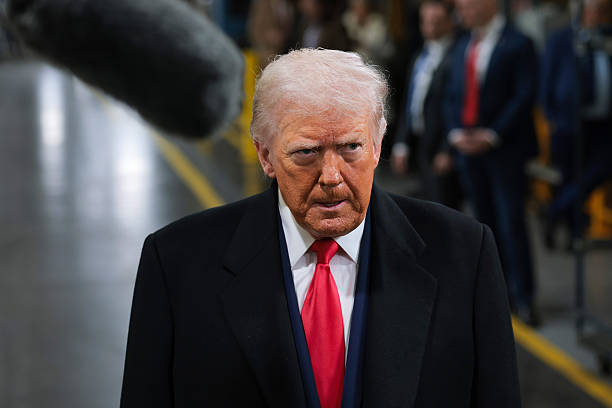
Close to the 2026 midterms, tension spreads across the U.S., not only over outcomes but over doubts about election stability. Though Donald Trump serves his second year in office again, slipping support, financial stress, and public frustration grow stronger. Because of this mix, certain Democrats along with oversight groups now wonder – could he twist the rules in 2026 by stretching presidential authority beyond normal limits?
This isn’t saying it will occur. Just looking at how it might unfold – because new shifts are making people pay closer attention now. Still, nothing confirms it’s coming.
A Tough Political Landscape for 2026
Not looking good for the party holding the White House when past patterns show up. Voters tend to punish the president during midterms, especially if things feel off by election time. Signs already hint that 2026 might hit Republicans hard. As tariff-driven price hikes spread, Trump’s favor numbers may dip further. On top of that, growing splits within the GOP could make matters worse.
Should Democrats make gains in Congress, control might shift in ways that limit what the current White House can push through. With one or both houses possibly changing hands, efforts built on tight alignment and top-down decisions may stall. A loss of firm grip often follows when outside forces gain footing. Momentum now leans toward disruption of long-held strategies. What was once shielded by majority support could face repeated delays. Power reshuffled tends to slow down bold moves. Fewer allies in key rooms makes advancement harder. Plans once fast-tracked might get stuck in debate. Influence fades when numbers slip. Room for maneuver shrinks under new math.
It depends on the situation. When leaders sense their power slipping, they often push against rules – particularly if they think the system was never on their side to begin with.
Emergency Powers Are Lawful, Broad—and Vulnerable to Abuse
Fifty years back, the power sat mostly unused. Now it triggers with a signature. A crisis claim flips access to toolkits buried in law books. One pen stroke opens paths once blocked. Military shifts follow. Rules pause without debate. Authority grows quiet, then sudden.
Back then, leaders tapped into these authorities during crises like war or disease outbreaks. Still, some point out the word “emergency” bends easily – especially since presidents get first call on when it applies.
A situation like mass election meddling, online attacks, chaos at polling sites, or lies spread by rivals might be called a crisis big enough for Washington to step in. Though calling off voting completely would likely spark lawsuits, declaring an emergency still lets officials boost monitoring, send soldiers, or push hard on security measures – each of which can quietly reshape how people show up and cast ballots.
Funny thing is, the real risk isn’t the rule on paper. It’s what happens when someone twists it to fit a hidden agenda.
Election Security Sparks Concerns
A strange scene unfolded lately when ex-Congresswoman Tulsi Gabbard showed up amid an FBI move on voting safety – something party insiders called odd, even sketchy. Though officials at the presidential residence backed her presence, calling it key to safeguarding ballots, others saw only bad appearances. Because trust matters just as much as facts.
What stands out is not Gabbard alone. Instead, it’s a steady trend showing how election oversight now leans more on security logic than public participation. Elections seen less as democratic duties but more as dangers tend to hand control upward – to officials, not citizens. Power moves where attention goes; lately, that path leads from ballots straight into bureaucratic hands.
When paired with talk designed to question election honesty before anything even happens, that change feels more troubling.
The Precedent Problem
History shows why people worry now. When Trump lost in 2020, he did not accept it. False stories about voting errors spread through his words. Officials in key states faced pressure from him directly. That path led straight to what happened on January sixth. Back then, systems managed to survive – but cracks appeared. Exploiting those weak spots became part of the pattern.
Now what worries skeptics isn’t a rerun of January 6. Instead, it’s a quieter shift – reshaping election conditions through official powers instead of public demands. The concern grows not from chaos, yet from structured moves hiding behind legal forms. Power bends not by force, but by redefining rules where few are watching.
A crisis labeled an emergency over election safety might stick around longer, tougher to brush off or fix fast – particularly when lawmakers back the leader calling it. Happens easier when both branches move in step.
The Role of a Loyal Congress
Few things stand alone when crisis rules take effect. Ending such a state rests with lawmakers – yet it takes resolve along with numbers on roll call. Should the GOP keep either house after 2026, especially if loyalty within ranks stays tight, checks and balances might loosen right when they matter most.
This fear of a “puppet Congress” shows up here – not as name-calling, yet rooted in how systems break. One party holding both White House and lawmakers shifts balance toward personal refusal to go along. Should such resistance fade, unchecked authority finds firmer ground.
Why This Is Not Alarmism
Here’s the thing – looking into what might happen isn’t about claiming it will. The reason democracies endure. Folks start noticing warning signs long before trouble shows up.
When legal experts probe weak spots in a nation’s rules, they imagine what might happen if leaders twisted those rules. This kind of thinking does not weaken democratic foundations – instead, it arms them against harm. A test of law under pressure reveals more than flaws; it shows where guardrails hold.
Facing 2026 head-on means skipping these questions isn’t an option – too much rides on who gains ground then. With Trump’s path still taking shape, staying silent shifts things quietly behind the scenes.
What Protections Remain
Even with these worries, the American setup still has ways to respond. When needed, courts step in – sometimes without warning. Control of elections mostly stays with individual states. Watchdog groups keep close tabs on efforts to block voters. Pressure from citizens can still shift outcomes.
Declaring an emergency might backfire. Pushing too hard may spark pushback, speed up political setbacks, while stirring long-term defiance even among government workers. Still, leaders take that gamble when crisis hits.
Built-in protections mean nothing unless checked ahead of time. A test run matters more than plans on paper. Without trial, even strong barriers might fail when called upon. Waiting until crisis strikes is too late to verify defenses. Proof comes only through practice under real conditions.
Why Being Alert Is Important Today
It’s unusual for democracy to fall in a single moment. Usually, it fades by degrees, slipping away as odd changes become routine. One adjustment alone might look harmless. Yet stitched together, they pull the whole structure apart.
Close to 2026, people aren’t asking if Trump might shake up how elections work – just whether things can hold together when surprises come. Right now, claiming an emergency about voting safety could seem odd. Yet past events show it’s often the strange ideas we should watch most closely.
What we’ve learned lately shows something clear: trust lasts just as long as folks push for it to last. Starting those pushes means probing tough doubts early, way before lines get crossed by force.
Associate Editor; Stanley G. Buford
Feel free to connect with this brother via Twitter; Stanley G. and also facebook; http://www.facebook.com/sgbuford.
Also his email addy is; StanleyG@ThyBlackMan.com.
