
(ThyBlackMan.com) Weatherboard and timber homes have a character that comes from their natural grain, joinery, and carefully painted lines. They also need more attention than a smooth, modern wall: exposed boards, old coatings and damp-prone details can make preparation demanding. A good result depends on choices made before the first coat goes on. Here is what skilled painters bring to the work and what you should check.
Why Timber Needs Careful Preparation
Paint protects timber only when it bonds to a sound, clean surface. Peeling layers, chalky residue, moss and weathered fibres can prevent adhesion, so painting over them often leads to early failure. On a weatherboard home, each board edge and overlap needs attention, not just the broad faces.
The right painters in Northland should explain the preparation, coating choices and access needed for your home before work begins. Preparation also helps reveal problems that paint cannot fix. Soft or damaged timber, loose boards, and failed sealant need assessment before coating. Ask how the work will handle repairs and whether damaged sections will be reported before they are covered.
How Experienced Painters Approach the Work
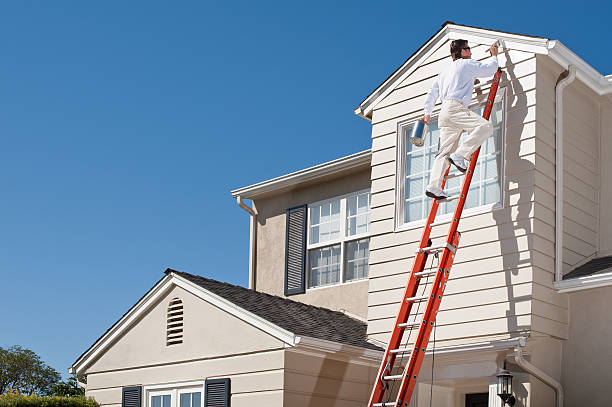
A painter familiar with timber homes knows that the details matter as much as the colour. They check where water collects, how boards meet around windows and corners, and whether old paint is sound. Careful sanding and cleaning create a consistent base; appropriate priming helps protect exposed timber and supports the finish coat.
The proposal should explain the preparation, coating choices, and access needed for your home before work begins. Those details help you compare quotes on more than the final price. Ask whether the proposal covers scraping, sanding, repairs, priming and the number of coats, and how the crew will protect gardens, paths and nearby surfaces.
Why Local Conditions Affect the Finish
Northland weather can bring strong sun, rain and humidity. These conditions influence when exterior work can proceed and how coatings dry. Painters need to check the weather and the surface, rather than applying paint to damp timber or during unsuitable conditions. Poor timing can leave a finish that does not cure as intended.
Ask how the schedule accounts for changing weather and what happens if rain interrupts the job. A clear answer should explain how the crew will protect exposed areas and resume only when surfaces are ready. That practical planning matters in a home where uncovered boards could face further moisture.
What to Check Before Hiring
A useful quote describes the work in plain terms. Compare scope, not just totals, and ask how the painter will assess older coatings and timber condition. A site visit gives the contractor a chance to inspect access, board condition, and areas that need extra preparation.
Before choosing a contractor, check that the proposal addresses these points:
- Which surfaces need scraping, sanding, washing, or repairs.
- How bare or exposed timber will be primed.
- What coating system is proposed for the exterior.
- How windows, paths, planting, and fixtures will be protected.
- What cleanup and final inspection are included.
Agree on how changes will be discussed if the crew finds concealed damage after preparation begins. This avoids confusion about extra work and gives you a chance to approve repairs before they are completed.
How to Judge the Finished Work
Look closely at board edges, corners, joins, and the areas around windows. The coating should appear even, with no obvious missed sections, runs, or paint bridging drainage gaps between boards. Check that hardware and glass are clean and that nearby surfaces have been cleared of dust and debris.
Ask for a walk-through before final payment. Record any areas that need attention and agree on a time for the painter to address them. Keep the quote and product details for future maintenance, so you can identify what was applied and discuss compatible touch-ups later.
Conclusion
Skilled painters make a difference by reading the timber, preparing each surface properly, and timing exterior work around the weather. For a weatherboard home, ask for a written scope that explains repairs, preparation, priming, coatings and cleanup. Then inspect the work at the details where water and peeling often start. A clear process gives you a sounder basis for choosing a contractor and maintaining the finish.
Staff Writer; Keith Brown
