
(ThyBlackMan.com)
Key Takeaways
- Move to a safer location after a collision, when doing so will not worsen an injury.
- Get medical attention promptly, including for symptoms that appear later.
- Photographs, witness contacts, damaged property, and reports can help preserve the facts.
- Be cautious with insurance statements before the full impact of an injury is known.
- Colorado deadlines and fault rules can affect an injury claim.
Boulder’s streets, multi-use paths, campus areas, and foothill routes bring together drivers, cyclists, pedestrians, scooter riders, buses, and delivery vehicles. When a crash happens, the first priority is safety and medical care. Once immediate needs are addressed, careful documentation can make it easier to understand what happened and protect important options.
For people facing serious injuries, disputed fault, or difficult insurance questions, Boulder personal injury lawyer resources from Conduit Law address Colorado injury claims arising from vehicle collisions, bicycle and pedestrian crashes, motorcycle incidents, and premises-related injuries. Its Boulder-focused legal service information covers local crash conditions, Colorado claims rules, medical documentation, and representation for injured people in Boulder County and nearby communities.
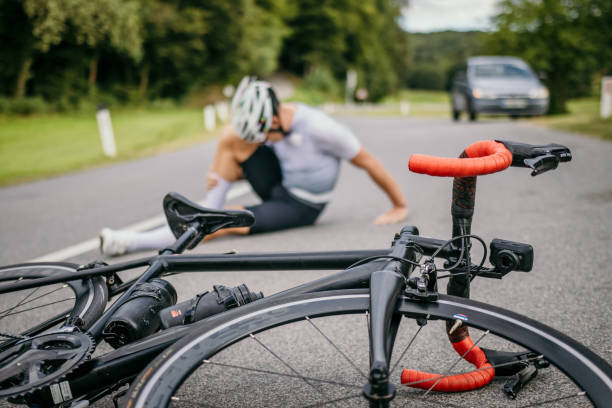
Why Boulder Crashes Can Be More Complex Than They First Appear
A collision can look simple and still turn on small details. A driver turning right across a bike lane has to track oncoming traffic, the signal, the crosswalk, and any cyclist approaching on the inside. Afterward, the questions that matter are where the cyclist was positioned, what each party could see, how the signal was timed, and what witnesses observed. Boulder conditions change quickly: commuter traffic, campus activity, visitors unfamiliar with the streets, roadwork, and weather all affect visibility and reaction time. Crashes may result from multiple causes, including distracted driving, unsafe lane changes, poor lighting, damaged surfaces, or mechanical issues.
What To Do In The First Few Minutes
- Move away from active traffic if it is safe and medically appropriate to do so.
- Call 911 if anyone is injured, the roadway is dangerous, property damage is significant, or another person leaves the scene.
- Do not argue about fault or apologize in a way that could be misunderstood.
- Exchange names, contact information, insurance details, driver’s license information, and vehicle information when possible.
- Ask witnesses for their names and phone numbers before they leave.
- Keep damaged helmets, bicycles, scooters, clothing, shoes, and personal items rather than immediately repairing or discarding them.
Medical Care Should Come Before Claim Strategy
Adrenaline can hide pain after a collision, and some injuries do not become obvious until hours or days later. Follow the recommendations of qualified medical professionals and attend follow-up appointments. Be honest about every symptom, including pain that interferes with sleep, work, concentration, walking, or ordinary household tasks. [1]
Symptoms That Deserve Prompt Attention
- Worsening headache, confusion, dizziness, fainting, or unusual fatigue.
- Numbness, weakness, loss of balance, or trouble walking.
- Severe neck, back, chest, or abdominal pain.
- Vomiting, vision changes, or difficulty speaking.
Medical records are important because they help clinicians track symptoms, treatment, and recovery. Their primary purpose is healthcare, but they can also provide a clearer timeline if insurance or legal questions arise later.
How To Document The Crash Scene
Evidence can disappear quickly after traffic resumes or weather changes. If you are physically able, use a phone to photograph vehicle positions, bicycle placement, debris, skid marks, traffic signs, crosswalks, lane markings, bike-lane boundaries, lighting, weather, visible injuries, and damaged property. [2]
Look around for nearby businesses, homes, buses, or vehicles that may have recorded video. Write down the location, direction of travel, and what you remember while the details are fresh. Create one dated folder for photographs, crash reports, medical bills, prescriptions, treatment notes, work records, repair estimates, and insurance messages.
Local Road Design And Safety Conditions In Boulder
Road safety depends heavily on the exact location. Protected bike lanes, shared paths, intersection design, crossing signals, sidewalks, construction areas, and the speed of surrounding traffic can shape how a collision occurs. The city’s transportation planning includes its Core Arterial Network program, which involves improvements such as protected bicycle lanes, pedestrian crossings, sidewalks, and intersection and signal upgrades.[3]
Those projects do not eliminate the need for attentiveness. Drivers should watch for people entering crosswalks and cyclists traveling alongside traffic. Cyclists and scooter riders should anticipate turning vehicles and opening doors. Pedestrians should remain alert near driveways, bus stops, parking-lot entrances, and intersections with multiple turning movements.
What Boulder’s Safety Goals Mean For Road Users
Street safety is shared work. Transportation planners can improve infrastructure, property owners can address hazards on their premises, and every road user can make choices that reduce risk. The city’s planning process treats bicycle and pedestrian safety goals as part of a broader vision for community mobility and safer travel.
Residents can also help by reporting damaged signs, obscured sight lines, broken crossing signals, hazardous pavement, or poor lighting through appropriate local channels. A report does not resolve an existing crash, but it may help identify a recurring safety concern.
Insurance Questions After A Bicycle Or Pedestrian Crash
An injured person may need to deal with the driver’s insurer, their own auto insurer, a health insurer, or several insurers at once. Coverage may depend on the driver, vehicle owner, employer, rideshare company, or the injured person’s policies.
When reporting a claim, provide basic and accurate facts. Avoid guessing about speed, fault, or recovery time. Do not sign a broad release or accept a quick settlement before understanding the medical outlook, property losses, and insurance coverage that may apply.
How Fault And Compensation May Be Considered In Colorado
Investigators and insurers may examine traffic laws, witness accounts, photographs, video, vehicle data, medical records, and expert opinions. More than one person or organization can potentially share responsibility. Colorado generally uses a modified comparative fault approach, meaning an injured person’s recovery may be reduced by their share of responsibility, and a sufficiently high share of fault can prevent recovery.
Potential losses may include medical care, future treatment, lost income, reduced earning capacity, damaged bicycles or personal property, physical pain, emotional distress, and reduced quality of life. The available compensation depends on the specific facts, evidence, injuries, and insurance coverage.
Colorado Deadlines And When Legal Guidance May Help
Deadlines for claims can vary based on the type of claim and the parties involved, particularly for cases involving government entities, public property, minors, or fatal incidents. This article offers general information and advises promptly identifying deadlines instead of relying solely on online rules. Legal guidance is recommended for serious injuries, prolonged treatments, disputed faults, incidents involving commercial vehicles, hit-and-run situations, or unclear insurance coverage. Key consultation questions include evidence preservation, applicable policies, shared responsibility, relevant deadlines, and communication about fees.
Simple Checklist For Crash Victims
- Get to a safe place and call emergency services when needed.
- Report the crash and obtain medical care.
- Take photographs and collect witness information.
- Save any damaged equipment and all medical or insurance records.
- Avoid rushed recorded statements, releases, or settlements.
- Review possible deadlines with a qualified Colorado professional.
Conclusion
A Boulder bicycle or pedestrian crash can disrupt a normal day in seconds. A practical response is often useful: get safe, seek care, preserve evidence, keep records, and avoid rushed decisions. Clear documentation provides injured people with a stronger foundation as they focus on recovery and sort through insurance and legal questions.
References
- Centers for Disease Control and Prevention. Symptoms of Mild TBI and Concussion. September 15, 2025. CDC notes that some concussion symptoms may appear immediately, while others may not appear for hours or days, and identifies worsening headache, weakness, numbness, coordination problems, repeated vomiting, slurred speech, confusion, and loss of consciousness among danger signs. CDC — Symptoms of Mild TBI and Concussion
- National Association of Insurance Commissioners. What You Should Know About Filing an Auto Claim. March 28, 2022. The NAIC recommends documenting crash-scene details, including the date, time, location, road conditions, skid marks, and photographs when appropriate and safe. NAIC — What You Should Know About Filing an Auto Claim
- City of Boulder, Transportation & Mobility Department. Boulder’s Core Arterial Network. The city describes the network as including protected bicycle lanes, intersection enhancements, pedestrian facilities, and transit upgrades; its transportation planning also identifies serious-crash patterns on arterial streets. City of Boulder — Core Arterial Network
Staff Writer; Walter Brown
