
(ThyBlackMan.com) Aretha Franklin did not simply sing soul music. She carried it like a woman walking into church with a Bible in one hand and somebody’s broken heart in the other. Her voice had thunder in it, but also kitchen table truth, front porch memory, mother wit, and that deep sanctuary training nobody can fake. Down South, folks know when a voice has been through something. We can hear the difference between somebody performing pain and somebody who has lived long enough to understand it. Sister Franklin belonged to that second crowd.
Black Music Month gives us a reason to say her name with the kind of reverence she earned. Our music has never been just sound. It is survival, testimony, grief, love, sweat, joy, prayer, and memory passed through generations. Aretha stood in that river with the force of gospel, the wisdom of blues, the polish of jazz, and the soul of a woman who understood that God had given her something too large to keep quiet. She helped show the world that a woman from our people could command a room without softening her fire.
You cannot speak on what she meant to Black music without speaking on permission. She gave women who came after her room to be bold, tender, churchy, sensual, wounded, brilliant, and fully human. Whitney Houston, Chaka Khan, Mary J. Blige, Fantasia, and Beyoncé all came from different lanes, yet each one walked through a musical world that Aretha helped widen. Her real legacy was not making others sound like her. It was proving that a woman with a voice, a story, and a spirit did not have to ask anybody for permission to stand tall.
To understand her, a person cannot just name records and move on. Her songs ask to be sat with, like old folks sitting near a radio while supper cooled and the whole house listened. Each one had a different lesson. Some carried protest. Some carried romance. Others carried sorrow, warning, desire, or spiritual rescue. That range made her more than a singer with hits. She became a whole chapter in the story of Black expression.
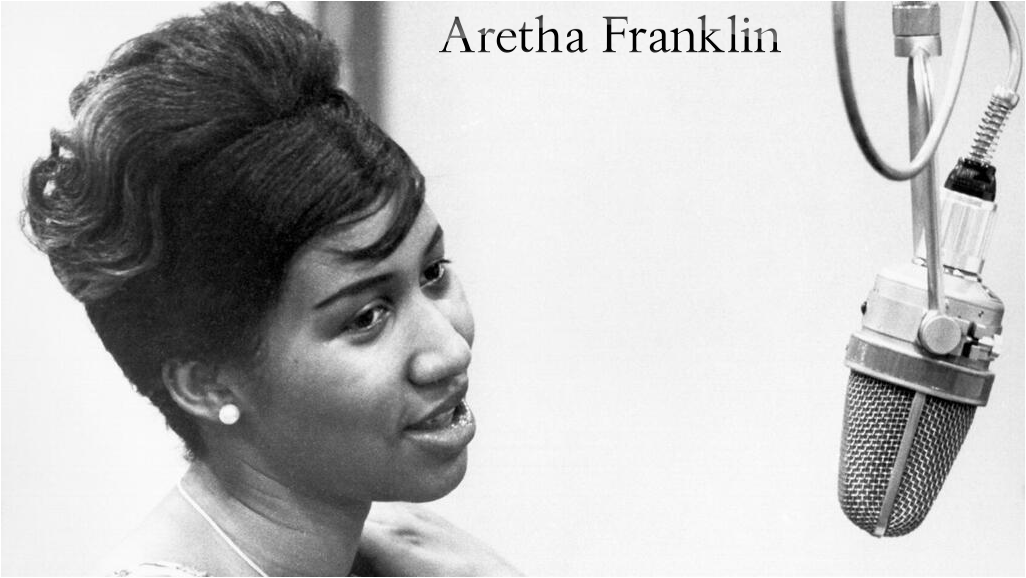
“Respect” stands at the front of her musical house like a strong auntie with her arms folded. Otis Redding gave the world a fine song first, but Sister Franklin took it, turned it around, and made it belong to every woman who had been tired too long. Coming from her, that word did not sound like a request for flowers, compliments, or cheap romance. It sounded like a demand for basic honor. Once she spelled it out, dignity walked straight into the room and refused to leave.
What makes “Respect” last is the way it carries frustration without sounding weak. Hurt is in there, but so are wit, rhythm, confidence, and control. A woman can be tired and still have style. A woman can be angry and still keep her grace. A woman can correct a man without shrinking herself. That was the beauty of the record. It had attitude, but it also had discipline. Every part of it felt measured, sharp, and ready.
Working women heard the long day in that song. Sisters heard the ungrateful man, the small paycheck, the boss who would not listen, and the world that wanted their labor without honoring their humanity. During the civil rights era, “Respect” grew far beyond romance. Black folks knew what that demand meant in every direction. Respect at home. Respect on the job. Respect in the street. Respect from a country that kept taking our culture while questioning our worth.
The song still carries that same charge because Aretha did not sing it like a passing mood. She sang it like law. Every horn punch, every background chant, every letter in that famous spelling felt like a step toward somebody remembering their worth. A lesser artist might have made it loud and left it there. She made it timeless. That is why “Respect” is not only one of her signature songs. It is one of the great declarations in American music.
“I Never Loved a Man The Way I Love You” showed another side of Sister Franklin, one soaked in complicated love. No clean romance sits inside that song. It sounds like somebody who knows the man is wrong, knows her heart is caught, and still cannot walk away easy. Down South, folks call that being caught up. Not foolish in a simple way, but trapped between what the mind knows and what the heart keeps reaching toward.
Her vocal carries heaviness without begging for pity. She sounds wounded, but not empty. Pride still sits inside her phrasing. Womanhood remains in the middle of the ache. When she leans into a line, it feels like testimony, yet she never turns the record into a sermon. That is why it stays alive. Plenty of singers can talk about love. Aretha could sing about the cost of it.
Musically, the song has that Southern soul feel that does not need too much dressing. Piano, organ, horns, and rhythm settle into place like folks who know exactly where to sit in church. Nothing crowds her. Every instrument seems to understand that the woman telling the story needs space. She fills that space with breath, hesitation, confession, and fire. Listeners can feel the pull of a bad situation without the record sounding cheap or theatrical.
That song matters because it tells the truth about love without trying to clean it up for polite company. People do not always love wisely. Sometimes the heart grabs hold before good sense can speak. Aretha brought dignity to that weakness. She did not make the woman in the song sound small. She made her sound human. That is a harder thing to do than most folks realize.
“Chain of Fools” has the stomp of somebody finally seeing the pattern. From the opening groove, trouble feels like it has been sitting in the living room too long. Aretha sings like a woman who has studied the whole situation and no longer needs an explanation. She knows she has been played. She knows the chain has links. She knows foolishness can become a habit when love keeps making excuses. Still, her voice carries the sound of a woman waking up.
That record works because it has hurt and motion at the same time. The rhythm keeps pushing forward, almost like a train refusing to stop at the old station. Her vocal sits right on top with confidence. Betrayal does not collapse her. Instead, she names it. Naming a thing gives a person power over it. She made that naming sound soulful, sharp, and unforgettable. Each line feels like another link being inspected before it gets broken.
Many women heard a warning in “Chain of Fools.” It had the tone older women use when they see trouble coming for a younger sister. Not every warning comes soft. Sometimes love from elders sounds direct because they already paid for the knowledge. Aretha caught that tone. She was not just singing to one man. She was singing to every situation where somebody kept giving loyalty to a person who did not deserve it.
There is also a groove in that record that keeps the pain from sinking too low. That is one thing Black music has always known how to do. It can put rhythm under heartbreak and help somebody survive the telling. “Chain of Fools” lets a listener hurt, nod, move, and learn all at once. The song does not end with a neat little solution, but it leaves behind a stronger spine than it found.
“Think” feels like a woman stepping to the front of the room and clearing her throat before truth comes out. The pace moves quick, but nothing feels rushed. Aretha had enough skill to ride that rhythm while making every word count. She asked people to think, but the song was about more than using the mind. It was about consequences. It was about freedom. It was about asking somebody to consider what they were doing before they lost something they could not replace.
The beauty of “Think” is how much power she packs into a record that also makes folks move. That groove can fill a dance floor, yet the message still taps a listener on the shoulder. She understood that Black music never had to choose between pleasure and purpose. Our people have always danced through hard times. Rhythm has carried protest, grief, warning, worship, and celebration at once. “Think” stands right inside that tradition.
When she spells out freedom, the moment lifts beyond a domestic argument. Suddenly, the record belongs to women, communities, workers, and anybody needing room to breathe. That is what made her dangerous in the best way. She could take a simple phrase and fill it with generations of meaning. Her gospel background gave the word weight. Freedom was not decoration. It became a demand, a prayer, and a right.
“Think” also shows how strong her timing was. She did not just have a voice. She had command. Every entrance, every push, every lift of the melody came from somebody who knew where the beat lived. That is why the song still sounds lively instead of dated. It has purpose in the words and electricity in the body. A record like that does not age the same way other records do.
“You Make Me Feel Like A Natural Woman” brings tenderness to the table without losing strength. Some folks hear only the sweetness, but a deeper listen reveals how controlled the performance truly is. Aretha does not rush into the big feeling. She lets it unfold. The beginning feels almost private, as though somebody is speaking softly after a hard season. Then the song grows, not because she is showing off, but because the emotion has earned the rise.
A lesser singer could have made that record too pretty, too polished, too far removed from real life. Aretha kept the warmth human. When she sings about feeling natural, it sounds like a woman remembering herself. Not being created by a man. Not being owned by romance. More like being seen in a way that brings her spirit back into alignment. That distinction matters. She gave the song gratitude without surrendering herself.
The arrangement gives her room to build. Strings, background voices, and soft movement surround her, while the vocal remains center stage. Her phrasing is patient. She knows when to lean, when to lift, and when to let a line rest. Old school singers understood that silence can work as hard as sound. She used that knowledge with rare wisdom. Every pause seems placed by instinct, as if her spirit knew exactly how much ache and beauty each line could hold.
The greatness of “Natural Woman” is not just in the big finish. It is in the climb. Aretha makes the listener feel the emotional steps before reaching the mountaintop. By the time the song opens up fully, the moment feels earned. That is why it still moves people who have heard it a hundred times. She was not just singing about being loved. She was singing about being restored.
“Ain’t No Way” may be one of the deepest wells in her catalog. Written by her sister Carolyn Franklin, it feels like family truth shared through sacred sound. There is something almost painful about how beautiful it is. Aretha sings with such restraint that every small turn carries weight. She does not attack the song. She lets it bleed slowly. That choice makes the record devastating. Some pain is too deep for shouting. Some grief needs a controlled hand.
The lyric carries the ache of loving someone who cannot receive love properly. That is a grown kind of sorrow. Many people know what it means to offer tenderness to somebody too closed, too afraid, or too damaged to accept it. Aretha gives that experience dignity. She never sounds cheap or dramatic. The hurt is serious, and she treats it that way. Her voice becomes a place where disappointment can sit without shame.
Background voices in “Ain’t No Way” feel like spirits hovering around the lead. They do not crowd her. They lift the atmosphere and make the record almost prayerful. Then Sister Franklin moves through the center with that mixture of gospel breath and soul phrasing nobody has truly duplicated. The song proves greatness does not always mean the highest note or loudest finish. Sometimes greatness means knowing how to hold back until the listener leans in.
What makes this record linger is the silence between the emotions. She gives the song space to ache. She does not rush to rescue it. That takes maturity. A younger voice might try to prove too much. Aretha lets the sorrow speak in its own time. By the end, a listener feels like they have been trusted with something private.
“Do Right Woman, Do Right Man” sounds gentle until the message starts pressing on your conscience. Aretha sings it like a woman who understands fairness in love is not optional. The song is not bitter. It is not loud in the way some people expect strength to be loud. Instead, it carries quiet moral force. Treat a woman right if you expect her to stand beside you. That message is simple, but many men have spent whole lifetimes failing that lesson.
Her delivery brings church wisdom into relationship talk. Down South, elders could correct you without raising their voice. They would look at you, speak plain, and somehow make you feel the weight of every word. Aretha does that here. She makes the record sound like advice, warning, prayer, and personal confession at the same time. A man listening with an honest heart has to ask himself whether he has loved with care or just expected devotion.
The song matters because it refuses to reduce women to romance props. A woman is human. She gets tired. She needs gentleness. She needs loyalty. She needs the same effort people expect from her. Aretha sings those truths with enough grace that the lesson goes down smooth, but smooth does not mean soft. The record still has teeth. It challenges men while comforting women who have carried too much alone.
There is something deeply old school about the moral balance of the song. It does not play games with love. It does not dress selfishness up as passion. It says plainly that how a man treats a woman helps shape what kind of love returns to him. That is not weakness. That is wisdom. Aretha gave that wisdom melody, breath, and soul.
“Dr. Feelgood” brings blues, soul, sensuality, and grown confidence into one slow burning room. Aretha sounds like she knows exactly who she is. No little girl confusion lives in that vocal. The piano rolls with late night ease, and her voice settles over it like smoke rising from a back room where the lights are low and everybody understands the conversation is for adults. She makes sensual music without losing one ounce of class.
What separates “Dr. Feelgood” from lesser songs about desire is control. She does not chase the mood. She creates it. Her timing is relaxed but never lazy. She lets phrases stretch just enough, then pulls them back before they lose shape. Blues singers understood that kind of pacing long before soul radio gave it a name. Aretha stands in that tradition, honoring women who sang about longing, loneliness, and pleasure without asking permission to be human.
The record also shows how wide her artistry really was. Some people try to keep her locked inside gospel power or civil rights anthem territory, but she had more colors than that. A woman can be sacred and sensual. She can sing in church and still know something about late night feeling. Our culture has always understood that people are layered. Aretha brought those layers to the microphone and made them sound natural.
“Dr. Feelgood” works because it never feels forced. It has grown humor, heat, and confidence, but no cheapness. That is a hard balance. She understood that soul music could tell the truth about the body and still carry dignity. She did not have to flatten herself into one kind of woman for public comfort. She sang from the whole person, and the whole person had depth.
“Rock Steady” showed that Aretha could step into a funk groove and own it without pretending to be anybody else. Some artists lose themselves when music changes around them. She did not. That record moves with a pocket so strong it feels like somebody pushed the furniture back in the living room. The drums, bass, and rhythm guitar make space for a house party, while she rides the groove with ease. She sounds loose, confident, and fully in command.
Her vocal has a different flavor from the big ballads. She is not standing still at the altar here. She is moving. You can hear shoulders rolling, hips finding the beat, and the room warming up. Still, the musicianship stays serious. Funk might make folks dance, but it is not simple music when done right. Timing, space, and feel matter. She understood the pocket the way great church musicians understand when to push a congregation and when to let people catch the spirit.
“Rock Steady” proves her influence did not stop with soul ballads. Hip hop producers, funk lovers, rhythm and blues fans, and crate diggers have all found life in records like this. Her rhythm sense made her music useful for future generations. A younger listener might meet her through a sample, then go back and discover the full power of the original. That is how Black music travels. One generation plants sound, another generation digs it up and makes something new.
The joy in this song is part of its strength. Black music is not always about surviving sorrow. Sometimes it is about a good groove, a full room, a sharp band, and a voice that knows how to sit right in the pocket. “Rock Steady” feels like freedom wearing dancing shoes. It reminds us that Aretha could be serious, sacred, romantic, wounded, and playful without ever losing her center.
“Day Dreaming” floats in a way few Aretha songs do. It feels like sunlight coming through curtains while somebody sits alone with a private thought. The mood is lighter, softer, almost dreamy, but never empty. She sings with a sweetness that still has maturity under it. A crush, a memory, or a secret hope can make a grown person feel young again, and that record captures the feeling without turning silly. It is grown longing with a gentle smile.
Her voice on “Day Dreaming” does not come to knock the door down. It comes to sit near the window. That choice shows her range. Power was always available to her, but she did not spend every song proving it. She trusted tone. She trusted atmosphere. She trusted melody. Great singers know that not every room requires thunder. Sometimes a whisper, a sigh, or a soft lift can tell more truth than a shout.
The song also speaks to the romantic imagination of Black life. Our music has never been only about hardship. Even in difficult times, folks dreamed. They dreamed about love, peace, beauty, escape, and somebody who made the day feel easier. Aretha gave that dreaming a soundtrack. Her performance lets listeners drift without losing emotional ground. That balance is difficult. Too much sweetness can become weak. Too much weight can sink the song. She finds the middle beautifully.
There is also a quiet sophistication in “Day Dreaming.” Nothing about it feels heavy handed. The song glides, but the feeling underneath is real. That is part of why it remains special in her catalog. It shows a woman who could rule a stage with force also knew how to float through a melody with delicacy. A voice that mighty choosing gentleness can be just as powerful as a shout.
“Until You Come Back to Me” carries hope with a little ache tucked inside. Stevie Wonder had a hand in writing it, but Aretha made the record breathe with her own spirit. The melody moves lightly, almost cheerfully, yet the lyric sits inside waiting. That contrast makes it special. She is missing somebody, but she does not sound destroyed. She sounds determined, tender, and maybe a little stubborn. Anybody who has waited on love knows that feeling.
Her vocal walks a careful line. Too much sadness would weigh the song down. Too much brightness would make the longing feel false. Aretha keeps both in balance. The listener can hear the smile and the hurt together. That mixture is very human. Most hearts do not feel one thing at a time. We can hope and ache in the same breath. She sings from that complicated place with uncommon ease.
The arrangement helps the song glide. It has warmth, movement, and a kind of radio friendliness that never cheapens the soul. Aretha could reach broad audiences without sanding off her Black musical foundation. That is another piece of her greatness. She brought gospel, jazz phrasing, and soul depth into songs that could live on popular radio. Crossing over did not mean crossing away from herself. She stayed rooted even when the room got bigger.
The record also shows how well she understood restraint in a lighter setting. She did not press every line until it bent. She let the melody do some of the carrying. That confidence matters. Only a singer secure in her gift can step back and allow sweetness to breathe. “Until You Come Back to Me” remains one of those songs that sounds easy until a person tries to sing it with the same grace.
Looking across these soulful songs, one thing becomes clear. Aretha Franklin did not have only one kind of greatness. She could demand respect, confess weakness, expose foolishness, call for freedom, praise tenderness, sit inside heartbreak, correct men, honor desire, ride funk, dream softly, and wait on love with dignity. That range is why her name remains heavy. She was not just a voice. She was a whole weather system.
Black Music Month should always make room for her story. Soul would not stand as tall without her. Rhythm and blues would not carry the same church memory. Women coming behind her would not have inherited the same space to be bold, vulnerable, sensual, political, soft, angry, joyful, and complex. Aretha sang as if every woman had a story worth honoring and every listener had a spirit worth reaching.
Down here, when a voice can make a man stop in the middle of what he is doing, close his eyes, and remember his mama, his first heartbreak, his old church, his mistakes, and God’s mercy all at once, that voice is not ordinary. Aretha had that kind of gift. Her songs still live because they were built from truth, not trend. Long after charts changed and radio moved on, her music kept working. That is what queens do. They reign beyond their season.
