
(ThyBlackMan.com) Jay Z is one of those artists you cannot discuss in a small way. Not if you really understand hip hop. His name brings up albums, arguments, business, Brooklyn pride, grown man ambition, public mistakes, private discipline, and a catalog that still makes people stop mid conversation when the right song comes on. I have heard brothers debate him in barbershops, at cookouts, in cars, and on front porches like the final answer might settle something personal. That says a lot. A rapper does not stay in those conversations for this many years just because he made money. The music had to touch people first.
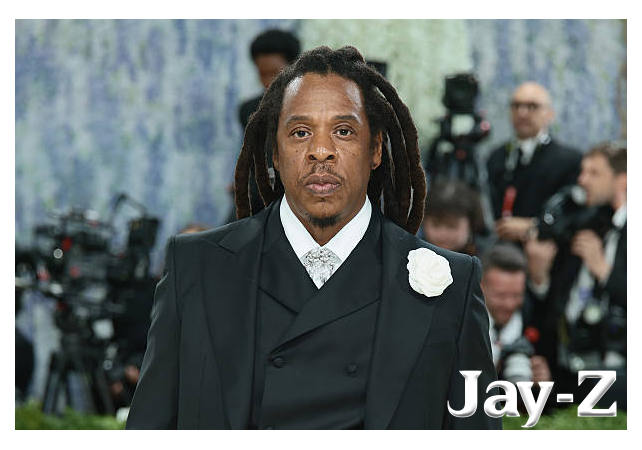
As a Black man old enough to remember when rap still had to fight for respect in certain rooms, I do not take Jay Z’s rise lightly. I also do not look at him like some perfect figure sitting above criticism. He is an artist, a businessman, a husband, a father, and a complicated brother whose best work came from pressure, hunger, and observation. That is why his legacy stretches beyond rap, but rap remains the foundation. Before the boardrooms opened, before the billionaire headlines, before the corporate language started following his name, he had to prove he could rhyme with the best of them.
That point matters to me as a hip hop critic, especially coming from the South. Down here, folks can spot fake confidence before the first verse ends. We know the difference between a man performing toughness and another man carrying old pressure in his voice. Jay Z always had that second thing. Even when the music sounded smooth, there was a hard edge under it. He could talk about success, but you still heard the hunger that came before it. He could mention luxury, but it never felt completely separated from the survival instincts that helped shape him.
Reasonable Doubt remains the clearest beginning point because that album did not sound like a young man merely chasing fame. It sounded like a mind already seasoned by hard choices. The record had polish, but it also had tension. It carried expensive taste, street memory, guilt, pride, cold logic, and quiet fear in the same breath. That is why it has lasted. It was not simply about crime stories or flashy living. It was about a Black man trying to explain what survival can do to the soul when the world offers few clean exits.
That album also showed his greatest strength early. He was not only reporting what happened around him. He was explaining how pressure changes a person’s thinking. Many rappers can describe danger. Fewer can make listeners understand the mental math behind it. Hov could make wealth sound like protection. Betrayal sounded expected. Success felt like both a dream and a burden. He did not beg the audience to feel sorry for him, but he made people understand the environment. That is a different level of writing.
His flow deserves more respect in these conversations too. People often talk about the business moves, the classic albums, and the famous lines, but sometimes they skip the mechanics. Jay Z did not rap like somebody trying to prove he owned a dictionary. His gift was making sharp language feel casual. He could move across a beat like he was talking to you from the passenger seat, then leave behind a line that did not fully hit until years later. Some emcees sound written. Others sound rehearsed. At his best, Hov sounded like thought itself had found rhythm.
That conversational style helped him last. Hip hop changes fast, and plenty of gifted artists get trapped inside the sound that made them famous. Jay Z kept adjusting without completely losing himself. He could ride glossy production, soul samples, street anthems, radio records, club songs, and grown man reflection without sounding lost. Every experiment did not land, but the range mattered. It showed an artist who understood movement. Standing still too long can turn any legend into a museum piece, and Hov was too restless for that.
The Blueprint showed how powerful he could be when pressure was all around him. That album had warmth, arrogance, hurt, and victory sitting together. The soul samples gave it a grown feeling, while the lyrics carried the energy of a man answering public doubt. Hip hop loves competition, but there is a difference between throwing insults and turning conflict into music that still has life decades later. Jay Z knew how to turn tension into theater. He made the battle sound personal without letting it become small.
The Black Album gave listeners another version of him. It felt like a man trying to close one chapter while making sure nobody misunderstood what he had already built. Retirement talk made the moment dramatic, but the music carried more than a gimmick. There was pride in it. There was reflection too. A listener could hear a brother looking back over the climb, measuring wins, scars, enemies, growth, and the strange loneliness that can come with standing on top. Victory does not erase memory. Sometimes it makes a man remember even more.
What makes his career so rare is the way the music and the business kept feeding each other. The artist made the businessman credible. The businessman made the older lyrics feel larger. When he spoke about ownership, publishing, company building, and refusing to be used by people who did not respect the culture, those words landed because listeners had already heard him think out loud for years. He was not stepping into that conversation from nowhere. He had been talking about leverage before casual fans knew what leverage meant.
There is a deeper Black cultural piece in all of this. Jay Z became a symbol of escape, but not in a clean fairy tale way. His story carried contradictions, and those contradictions made him more interesting. He could be inspiring and difficult, generous and guarded, brilliant and hard to read. That sounds like real life to me. Black success in America is often forced into simple boxes. Folks want a hero with no stains or a villain with no humanity. Jay Z never fit neatly into either one. His work made listeners sit with ambition wrapped in damage.
That is why I push back when people act like his importance is mostly about wealth now. The money matters. Ownership matters. A Black man turning hip hop capital into serious business power means something in a country that has spent generations profiting from Black culture while keeping control somewhere else. Still, wealth alone is not why people debate his albums at cookouts. Nobody argues over a balance sheet like that. People argue over verses, hooks, beats, rivalries, album rankings, and songs that helped them walk through a season of life.
The South understands that kind of connection. We have our own legends who changed how the world hears rhythm, pain, slang, faith, struggle, and ambition. So when I look at Jay Z from below the Mason Dixon line, I do not see some untouchable New York monument. I hear an artist dealing with questions every region has had to face. How does a Black creator grow without losing the people who first believed? How does a man talk about luxury while still respecting the poverty that sharpened him? How does success change the voice without emptying it?
He did not answer those questions perfectly every time. No artist does. Some albums felt less urgent than others. Certain lines aged better than a few others. Business choices brought criticism, and part of that criticism was fair. Respect does not require blindness. Real criticism should have enough backbone to praise greatness while noticing where the shine gets uneven. Jay Z’s career is strong enough to survive honest conversation. Treating him like a living artist instead of a statue makes the discussion better.
One of the strongest parts of his catalog is how it grows with the listener. A young person may first hear confidence. Later, that same listener catches the anxiety. Years after that, regret becomes more obvious. That kind of layered writing keeps the music breathing. The best records are not frozen in the year they came out. They change as life changes. A young brother may hear motivation. A grown man may hear warning. A father may hear the cost of chasing so hard that peace becomes unfamiliar.
Age and family added another layer to his public image. The same man once known for cool distance eventually had to be viewed through marriage, children, maturity, and reflection. That transition matters because hip hop spent years acting like men were not supposed to age in public. Jay Z helped widen the picture. He showed that a rapper could become an elder voice without dressing like a teenager or chasing every trend. Silence became part of his rhythm. When he appears now, people pay attention because he does not make himself too available.
His Rock and Roll Hall of Fame induction confirmed what many hip hop heads had already known. Rap had long earned its place among the great American art forms, and Jay Z stood as one of the clearest examples of its reach. His career shows that hip hop can produce poets, executives, cultural architects, family men, flawed leaders, sharp critics, and complicated icons. The honor did not create his importance. The music had already done that in headphones, cars, clubs, block parties, gyms, offices, and late night rides when a person needed the right line at the right time.
Younger artists should study that part carefully. Do not only study the deals. Study the foundation. Study how long he sharpened his voice before the world called him a mogul. Study the timing, patience, language, image, discipline, and instinct. Study how he used music as confession, armor, strategy, and testimony. Too many people want the harvest without respecting the dirt. Jay Z’s rise reminds us that visible success usually comes from invisible hours, hard lessons, and a craft treated with seriousness.
That is why his legacy is bigger than rap, but rap is still the root. The companies may expand. The investments may grow. His public image may keep changing as time moves. Yet anybody trying to understand why his name carries so much weight has to return to the records. Listen to the young man from Brooklyn bending language around pain, hunger, pride, and desire. Hear the grind before the luxury. Notice the artist before the executive.
Jay Z became more than a rapper because he first became great at rap. That order matters. The boardroom did not make him legendary. The microphone opened the door. The songs gave him credibility. The verses made people care. Everything else widened the story, but the foundation was already strong enough to hold every floor he added.
