
(ThyBlackMan.com) The new Michael film has done more than sell tickets. It has opened up a fresh conversation between generations. Older folks who remember the moonwalk when it first shook living rooms are now sitting beside young people who only knew clips, memes, and short videos. That kind of passing down matters because everybody seems to have a first Michael Jackson memory. What record got you hip to MJ? Was it something your mama played while cleaning on a Saturday morning, something your uncle had on cassette, or did you catch him later through television, streaming, or that one video that made you sit up and ask who in the world is this man?
For many of us middle aged Brothers from the South, MJ was never just pop music. He was family reunions, skating rink lights, school dances, talent shows, and grown folks turning up the radio when the right song came on. You might have first heard “Billie Jean” from somebody’s old stereo, saw “Thriller” at a cousin’s house, or learned about “Beat It” because the guitar sounded too wild to ignore. However he reached you, once that one record landed, you understood why folks treated him like something rare.
His 1980s run still feels unreal because the records were big, but they also had soul in them. The new film’s box office success proves younger listeners are not just curious about the legend. They are embracing the music, asking questions, and finding out why Michael Jackson could stop a room before he even sang a full line. Ranking his best songs from that decade is not easy. You can argue over the order all day, and somebody at the barbershop will still say you left one out. Still, these five records show why Michael became the measuring stick.
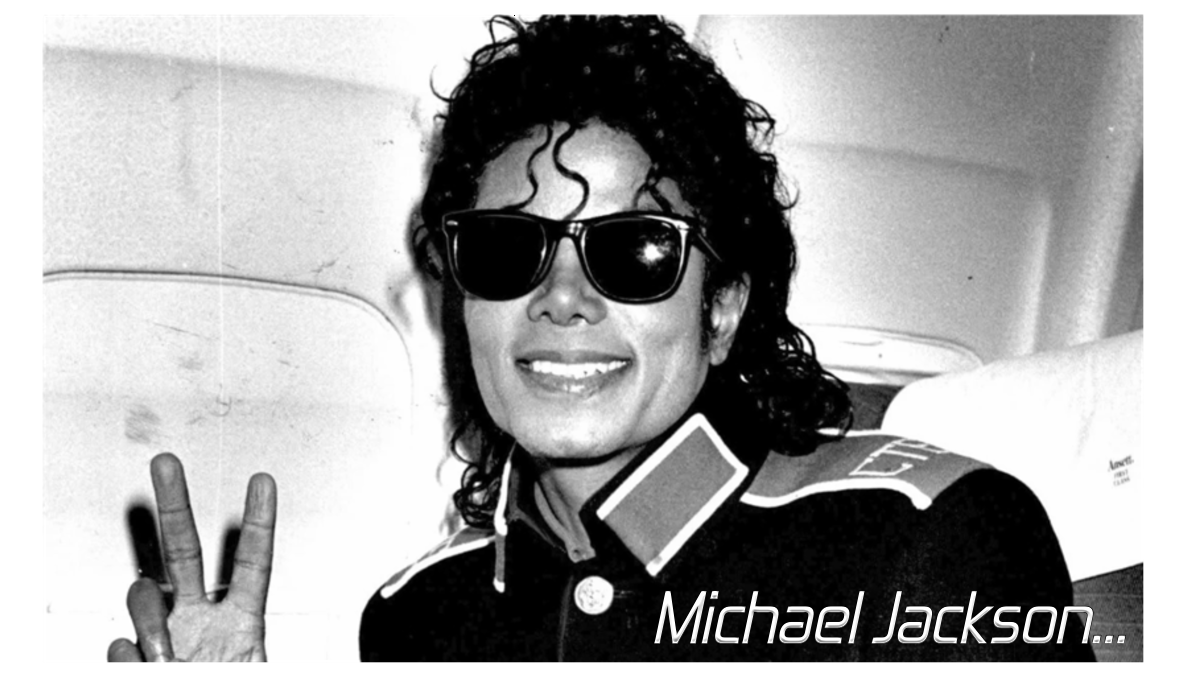
1. “Billie Jean” is the crown jewel of Michael’s 1980s catalog. That bass line alone can change the air in a room. You hear a few seconds, and everybody knows what time it is. That is the mark of a record that belongs to history.
The song is mysterious, but never confusing. It tells a story about fame, temptation, rumors, and pressure. Michael sings like a man trapped between denial and fear. He sounds cool on the surface, but nervous underneath.
What makes it brilliant is the restraint. The production does not overcrowd him. The groove keeps moving, and Michael slides through it with sharp little phrases, hiccups, and emotional sparks. He made minimal sound feel massive.
The Weeknd might be the modern singer most suited for its mood because he understands nighttime tension. Giveon could bring depth. Usher could handle the sleek performance. Still, none of them would have that exact haunted innocence Michael carried.
“Billie Jean” remains number one because it changed everything. The song, the video, the Motown 25 performance, the glove, the moonwalk, all of it became one cultural storm. That was not just music success. That was a moment when the world stopped and watched a Black artist bend popular culture around his feet.
2. “Beat It” was Michael walking into rock territory and not asking permission. That was major. A Black artist from Gary, Indiana took hard guitars, street tension, and dance floor energy, then made everybody listen. That took nerve.
The message is simple, but not weak. Walk away. Live another day. Do not let pride write a check your body cannot cash. Any man from the South who has seen foolishness outside a club, cookout, or corner store understands that wisdom.
Eddie Van Halen’s guitar solo gave the record fire, but Michael’s vocal kept it grounded. He did not try to become a rock singer. He stayed himself. That is why the blend worked.
Today, someone like Lenny Kravitz could honor the rock edge. Miguel could bring a wild vocal color. Bruno Mars might turn it into a stage workout. But the original had a rare balance of danger, discipline, and dance.
“Beat It” proved Michael could cross lanes without losing his identity. That is why the record still punches.
3. “Man in the Mirror” is not just a song. It is a church moment dressed in pop clothes. That is why it hits Black folks a certain way, especially those of us raised around choirs, testimony service, and Sunday morning conviction. You can hear the gospel bones inside it.
Michael does not oversing at the start. He lets the message walk in slow. Then, as the choir rises, the whole record turns into a call to action. By the end, it feels like everybody in the room should be standing up.
This is one of his most powerful vocal performances because it grows with purpose. He starts thoughtful, then becomes urgent. That kind of build is not easy. A singer has to believe the message or the record falls flat.
John Legend could sing it today with grace. Kirk Franklin could arrange a strong gospel version. Beyoncé could make it grand. Yet the tenderness in Michael’s voice gave it something fragile, and that fragility made the message stronger.
The record still matters because people still need that mirror. Before we talk about the world, we have to face ourselves. Michael gave that lesson a melody.
4. “The Way You Make Me Feel” has that street corner confidence. It feels like a man stepping out clean, smelling good, walking with a little too much pride because he saw somebody who made his heart jump. Down South, we know that feeling. Sometimes one smile can make a grown man act brand new.
The rhythm has a rolling bounce that gives it flavor. It is playful without being silly. Michael sings like he is flirting, but he never lets the vocal get lazy. He pushes, teases, and leans into every phrase.
This record also shows how well he understood timing. The spaces between his lines matter almost as much as the words. That is where the attitude sits. He lets the band breathe, then jumps back in like he never left.
Usher could sing this today and probably give it grown man charm. Lucky Daye might add a smoother R&B shade. Bruno Mars would understand the bounce. But each version would still be standing in Michael’s shadow.
What keeps this record alive is joy. Not sadness. Not mystery. Just joy. It is the sound of attraction before life gets complicated.
5. “Smooth Criminal” is one of those records that sounds like a movie before you even see the video. The bass line moves like footsteps in a dark hallway. The beat snaps with danger. Michael is not just singing here. He is acting, dancing, whispering, and building tension all at once.
What makes the record special is how sharp it feels. Nothing drags. Every part has a purpose. The “Annie, are you okay?” line became part of pop language, but the real power is in how he turns panic into rhythm. That is hard to do.
From a music critic’s ear, this is one of his finest examples of control. He knew when to hold back and when to strike. Some singers chase big notes. Michael chased moments. On this track, every breath feels placed.
If someone touched this record today, Bruno Mars might understand the swing and showmanship. Chris Brown could handle the movement side, though vocally it would need restraint. The Weeknd could bring darkness, but he might smooth out the danger too much.
Still, nobody really replaces the original. “Smooth Criminal” works because Michael made crime, fear, and style dance together without losing the groove.
Michael Jackson’s 1980s songs still travel because they were built with imagination, discipline, and feeling. He did not just chase hits. He built worlds. Each record had its own weather, its own walk, its own color, and its own reason for staying around.
The new film’s box office success proves something many older fans already knew. Young listeners are not finished with Michael Jackson. They are discovering him in their own way, through theaters, streaming, reaction videos, and family stories. Some legends fade into memory. Michael keeps stepping back into the light.
For those of us who came up hearing these songs in real time, it feels good to see another generation leaning in. They may not understand what it felt like when “Thriller” changed television or when “Billie Jean” made the moonwalk immortal, but they can still feel the greatness. That is the beauty of real music. It does not need permission to live again.
