
(ThyBlackMan.com) The music world lost a real Southern soul giant with the passing of Clarence Carter at 90 years old. For many Black households, his records were part of everyday life. You heard Clarence Carter playing from somebody’s porch radio, inside an uncle’s old car, at cookouts, blues clubs, or family gatherings where grown folks laughed, danced, and reflected on life. His voice carried pain, humor, toughness, and honesty all at once. That made him different.
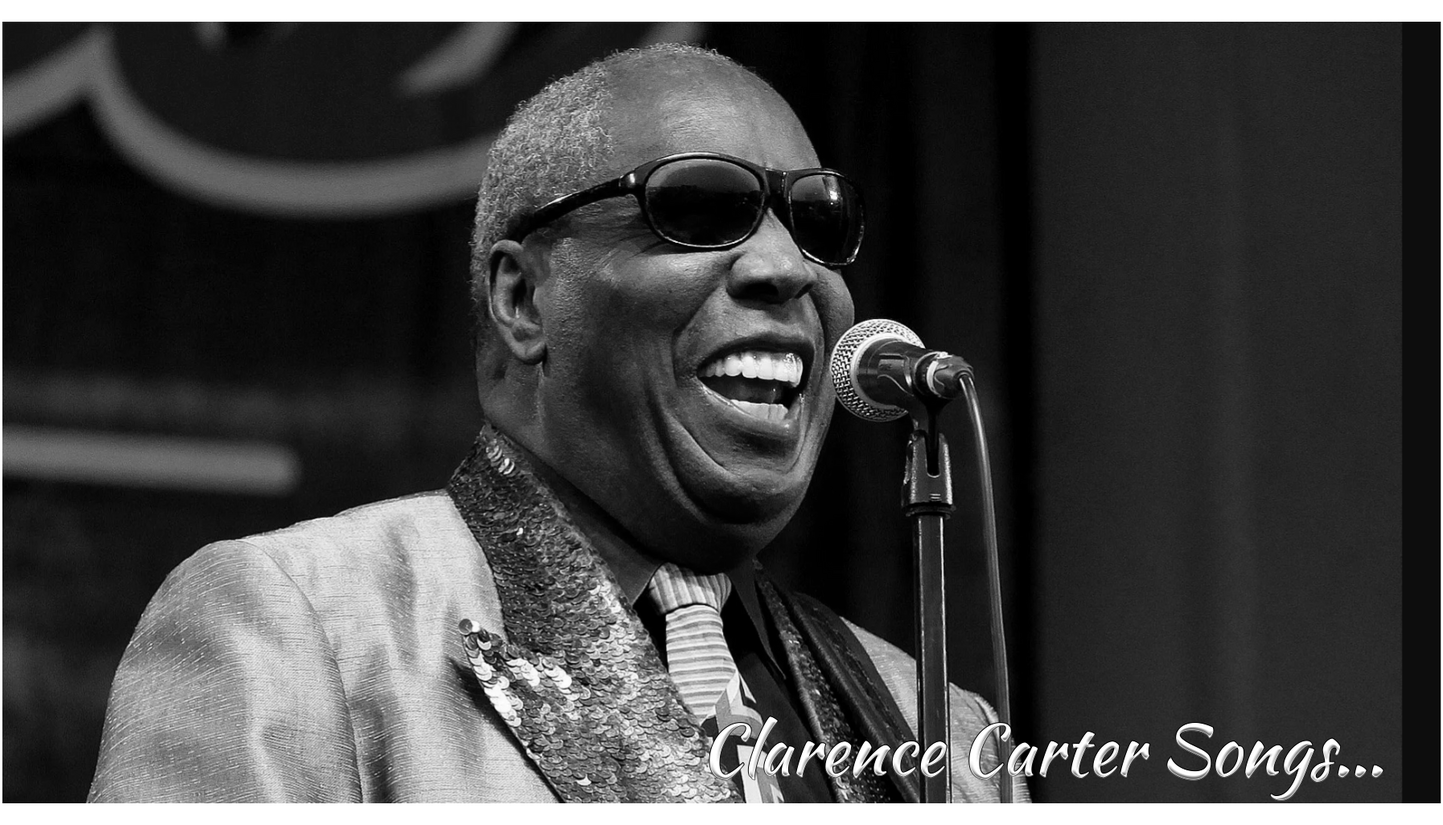
Born blind in Alabama, Carter never let limitations stop him from becoming one of the strongest voices in soul music history. His songs often sounded like stories pulled from real people trying to survive love, heartbreak, poverty, temptation, and life itself. Some singers sounded polished. Clarence Carter sounded human. The brother gave listeners truth mixed with Southern flavor.
He could sing heartbreaking ballads one moment and then deliver something funny and wild the next. That range helped him stand out during an era full of legendary talent. While many artists chased trends, Carter stayed rooted in blues, gospel feeling, country soul, and grown-folks storytelling.
As we remember his life and career, here are nine Clarence Carter songs that still deserve love today.
“Patches”
Patches remains one of the deepest records ever recorded in soul music. The song tells the story of a young man whose father dies, forcing him to become the provider for the family. Clarence Carter sang the record with so much emotion that many listeners felt every lyric in their chest. It sounded believable because struggle was not foreign to him.
The record connected with Black families across America because hardship was familiar to many households during that era. Some people grew up hearing parents stretch every dollar while trying to keep food on the table. “Patches” captured that reality without sounding fake or overly dramatic. Carter sounded like somebody carrying the weight of responsibility on tired shoulders.
One thing that made the song special was the way the music stayed restrained. The strings and instruments never got in the way of the storytelling. Instead, everything supported Carter’s voice. That balance allowed listeners to focus on the pain and determination inside the lyrics.
Even now, decades later, “Patches” still hits hard. Younger listeners can still relate to pressure, financial struggle, and trying to hold families together during difficult times. The song survived because it spoke to real life instead of temporary trends.
“Slip Away”
Slip Away showed another side of Clarence Carter. While “Patches” carried emotional heaviness, “Slip Away” moved with smoothness and warmth. The groove pulls listeners in immediately. It is one of those songs that feels perfect late at night with the windows down during summertime.
Carter’s delivery on the track is calm and controlled. He never forces the performance. His rough Southern tone mixed beautifully with the softer instrumental arrangement. That contrast helped create the magic behind the record.
The production also deserves praise because everything sounds clean without losing soulfulness. The horns, drums, and guitar work move together naturally. Records from that period often carried a warmth modern digital recordings struggle to recreate, and “Slip Away” is a perfect example.
The song helped establish Carter as more than just a regional Southern act. He could crossover into broader audiences while still sounding authentic. That balance is difficult for many artists to achieve, but Clarence Carter handled it naturally.
“Back Door Santa”
Back Door Santa may be one of the coolest holiday songs ever made. Instead of singing about snow and family dinners, Carter brought swagger and humor into Christmas music. The song carried that gritty Southern soul feeling from beginning to end.
The lyrics were playful and grown-folks oriented. Carter presented himself as a slick version of Santa Claus moving through neighborhoods with confidence. The humor inside the record felt natural rather than forced, which helped make the song memorable.
Musically, the groove is funky as all get out. The drums, horns, and guitars all lock together beautifully. Even younger listeners who discover the song today often react to how fresh it still sounds compared to many holiday records.
The song gained another life when Run-D.M.C. sampled it for “Christmas in Hollis.” That moment helped introduce Clarence Carter to rap audiences and showed how much soul music influenced hip hop culture. The groove was timeless enough to move across generations.
“Too Weak to Fight”
Too Weak to Fight captured emotional exhaustion in a very honest way. Carter sings about being overwhelmed by love and unable to keep fighting emotional battles. During that era, many male singers avoided sounding vulnerable, but Carter leaned directly into it.
His voice sounds tired throughout the song, but not weak. There is a difference. He sounds like a grown man emotionally worn down after trying to hold everything together. That realism gave the record strength.
The arrangement stays smooth and patient. Nothing feels rushed. Carter allows the lyrics to breathe, which helps the emotional weight settle naturally with listeners. Sometimes restraint creates more impact than loud performances.
A lot of people connected with the song because relationships can truly drain the spirit. Love is not always glamorous or easy. Carter understood that reality and expressed it better than many artists of his generation.
“Snatching It Back”
Snatching It Back carried attitude from the first note. Clarence Carter mixed humor and soul together in a way very few artists could pull off successfully. The song feels playful, but there is still emotional truth underneath the performance.
The phrase itself became catchy because it sounded conversational. It felt like something somebody would actually say after being mistreated in a relationship. That authenticity helped listeners connect with the record immediately.
The groove is another major strength. The rhythm section keeps everything moving while Carter injects personality into every line. His vocal timing was excellent throughout the song. He knew exactly when to lean into a lyric or pull back.
What makes the song enjoyable decades later is how effortless Carter sounds. Some artists struggle when mixing comedy into music because they overdo it. Clarence Carter understood how humor naturally existed inside Southern storytelling traditions.
“I’d Rather Go Blind”
I’d Rather Go Blind gave Clarence Carter the opportunity to reinterpret one of soul music’s most emotional songs. While Etta James delivered the definitive version for many listeners, Carter brought a different perspective to the material.
Because Clarence Carter was blind himself, the lyrics carried another layer of meaning. Hearing him sing about rather losing sight than watching love disappear creates a unique emotional effect listeners cannot ignore.
Vocally, Carter avoids copying Etta James. Instead, he approaches the record through his own Southern soul style. His voice sounds wounded, reflective, and sincere throughout the performance.
The song also proved Carter’s versatility. He could handle heartbreak ballads just as effectively as funky grooves or humorous tracks. That flexibility helped him remain respected among serious soul fans for decades.
“The Road of Love”
The Road of Love is one of those records that quietly reminds people how talented Clarence Carter really was. The song moves with maturity and patience. It feels reflective rather than flashy.
Carter sounds comfortable inside the performance. He does not rush through the lyrics or over-sing the material. Everything feels measured and lived in, almost like advice from somebody who experienced both love and disappointment.
The production remains smooth throughout the record. The instrumentation supports the storytelling without becoming overpowering. That balance helped Southern soul records age gracefully over time.
Songs like this often get overlooked because they are not attached to massive commercial hype. Still, they reveal the consistency of artists like Clarence Carter. The brother knew how to communicate emotion in a grounded and believable way.
“Soul Deep”
Soul Deep carried brighter energy than some of Carter’s heavier songs. The record feels uplifting while still maintaining emotional depth underneath the groove.
Carter sounds energized throughout the performance. His voice pushes confidently through the arrangement without losing its gritty edge. That roughness became one of his trademarks because it made every performance feel genuine.
The horns and percussion help give the song movement and excitement. Listening to the track today instantly brings listeners back into that late-1960s Southern soul atmosphere.
The reason “Soul Deep” still works is because the emotion feels sincere. Carter never sounded artificial. Whether he was singing about heartbreak, humor, or romance, listeners believed him. That honesty helped his records survive the passing of time.
“Strokin’”
Strokin’ became one of Clarence Carter’s most outrageous and unforgettable songs later in his career. The record embraced blues humor, sexuality, and crowd participation in a way only Carter could make believable.
The song sounded less like a polished studio recording and more like a Southern juke joint performance packed with grown folks enjoying themselves. Carter fully committed to the humor, which made the record even funnier.
One overlooked aspect of “Strokin’” is Carter’s timing. Comedy in music requires rhythm and pacing. He knew exactly when to pause, stress certain words, and let the energy build naturally. That skill helped turn the track into a cult favorite.
Beyond the humor, the song also reflected old Southern blues traditions where storytelling, adult humor, and music blended together naturally. Clarence Carter never abandoned those roots. He carried them proudly throughout his entire career.
The legacy of Clarence Carter stretches far beyond radio hits. He represented a period when soul singers sounded connected to everyday people and real experiences. His records carried honesty, pain, humor, romance, and Southern wisdom all at once.
He also became an important example of perseverance. Despite being blind from birth, Carter built a career that earned respect across multiple generations of listeners. He never asked for sympathy. He simply delivered strong music with conviction.
Whether somebody prefers “Patches,” “Slip Away,” or “Back Door Santa,” there is no denying the impact Clarence Carter had on soul music. His voice carried character. His songs carried truth. That combination is difficult to replace.
May the brother rest peacefully. His music still lives on every time those old records begin spinning through somebody’s speakers late at night.
