(ThyBlackMan.com) Most of us learned early that a paycheck was the whole point. You show up, put in your hours, and Friday the direct deposit lands. That money keeps a roof up and food on the table. For a long stretch of my life, that felt like the entire arrangement. Nobody around my kitchen table ever separated getting paid from holding onto something once the work was done. Tyler Perry built a name inside that blind spot. Any man who treats the check as the finish line ought to sit with what he figured out.
Perry could have taken the safe road. Back when he was still writing gospel-inspired plays and carrying them from one small theater to the next, plenty of folks would have told him to sign whatever deal got his work on a bigger screen. That road stayed untaken. When Hollywood came knocking, Perry held on to the rights to the characters, scripts, and stories he created. His words on the matter are blunt. Perry told MTV that he owns everything he has ever done and plans to keep it that way. That mindset separated him from a hundred talented people who cashed a check and watched somebody else get rich off their creativity for the next thirty years.
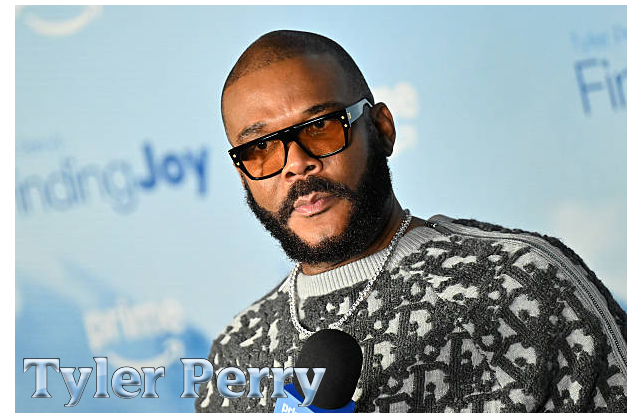
Look at what that stubbornness built. In 2020, Forbes counted more than 1,200 television episodes, 22 films, at least two dozen stage plays, and a 330-acre studio lot among the work and property Perry controlled. The man was once sleeping in his car. Forbes now estimates his fortune at roughly $1.4 billion, and the reason is not that his movies were the finest ever filmed. Critics stayed on him for years. His own explanation is that owning the lights and the sets is where the real difference lives. Because he owns what he creates, his returns are higher.
Here is the part that should hit home. Perry did not chase a bigger salary. The chase was for a stake. There is a wide difference between the two, and Black men in particular have been trained to overlook it. We celebrate the signing bonus, the new title, the raise. Those things feed you today. They usually vanish the moment you stop showing up. A stake can keep feeding your people long after you are gone.
The studio makes the point better than any speech could. Perry paid approximately $30 million for 330 acres of the former Fort McPherson base in 2015 and then spent roughly $250 million building the studio operation. When he celebrated its grand opening in 2019, the campus stood as one of the largest production complexes in the country. The property has since expanded and is now described as covering 365 acres. Think about that land for a second. A former military installation in the South, now owned by a Black filmmaker from New Orleans who grew up around abuse and poverty. He turned creative sweat into concrete, steel, and acreage that can outlive him. Other productions rent space and equipment on that campus, which means the facility can earn money even when his own cameras are off. One decision created more than one income stream.
Owning the property also gives him unusual control over how his work gets made, even though distributors, television networks, streaming services, and other business partners still help deliver projects to audiences. His building has yet to stop. Tyler Perry Studios and Synapse Virtual Production are developing a new virtual production stage on that campus that is expected to become operational by the end of 2026.
I want to be clear about something before anybody reading this feels small. You do not have to buy a studio or quit your job to live by this principle. Most of us are not going to build a 365-acre empire, and that is fine. Plenty of Black men reading these words have a 9 to 5, and there is zero shame in that. A steady job is honorable. It pays the bills, it keeps the lights on, and it gives you the stability to think past next week. Perry himself ground through years of failure and empty pockets before any of this arrived.
The move is to let that job fund a thing you own. That could mean buying the little house on your street and renting the other side. Maybe it is a small trade you run on weekends, a piece of a business, a website, or a patch of land back home nobody in the family wanted. Whatever it is, the goal stays the same. You want an asset with your name on the deed, something capable of producing while you are asleep, sick, or retired. Your paycheck usually stops when you stop. A carefully chosen and properly managed asset may continue producing, although no investment comes with a guarantee.
That distinction is the whole game when it comes to generational wealth. Income from labor usually ends when the work ends. Own a studio, a building, a catalog of songs or stories, a rental property, or a piece of a business, and those assets can be handed down. They can become the reason your grandkids start a full lap ahead of where you began. Perry has credited Oprah Winfrey and Berry Gordy as role models who demonstrated the power of owning a brand, a company, a show, and a catalog. He also traces the seed of that lesson to childhood, when he watched his father earn a modest subcontractor’s check for building a house while the person who owned it stood to make far more from its sale. The lesson stuck, and the assets Perry built can provide his son and future generations with a level of security he never knew growing up.
We have been conditioned to measure success by what we can spend. The car in the driveway, the jewelry, the fit, the vacation. None of that by itself is wealth. It is the appearance of wealth, and it can evaporate. Real wealth is quiet. It is a title, a lease agreement, a percentage, or a thing that can appreciate or produce income over time. Perry understood this while he was still struggling, holding firm in negotiations rather than trading long-term control for quicker comfort.
So take the check and cash it with pride. Then sit with the harder question. What did I build today that I actually get to keep? When I clock out for the last time, does anything I touched keep standing? Black men who wrestle with that in their thirties can feel the payoff decades down the road. Their children may feel it even longer, in ways they never get to see. That blueprint sits in plain sight. The rest of us, brothers, just have to decide that owning something, no matter how modest, beats renting our whole lives away.
