(ThyBlackMan.com) It drew some media and public attention. The “it” was the news item in August 2026 that California state officials were mandated to clean up a toxin chemical dump that had posed danger to residents for four decades in an area of South L.A.. The fact that it even made news had some significance for three worrisome reasons.
The first: the dump has been there for decades. The feds, the state, and the county knew about its existence and dangerous toxicity. Yet it took decades for the state to finally act on the clean-up and then only after it had been ordered to do so.
The second: environmental hazards draw major media attention almost exclusively when there is a perilous toxic hazard such as a massive oil spell, or chemical plant explosion. The other time is when environmentalists demand greater protection for plant and animal habitats or warn of the potentially deadly impact of the greenhouse climate effect.
The third. This is the most enraging. The toxin dump that the state was ordered to clean up was in South L.A. The residents almost exclusively are low income, African Americans and Hispanics. It fits a horrid pattern that has become all too familiar in recent years. That is giving short shrift if not a deaf ear to the complaints of Blacks and Hispanics about the threat of toxic exposure in their neighborhoods.
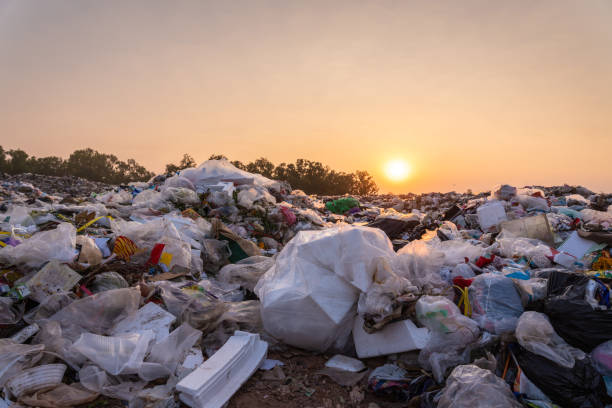
South L.A. is a near textbook example of this tone deafness on the hazards. In June 2026, L.A. County officials posted a map on its website of the areas in the county exposed to toxins. Two years earlier an environmental advocacy group did a similar study which it headlined “Top Hot Spots in L.A. County.” One of the leading “hotspots” was areas of South L.A. The hazard contamination numbers were eye popping. Air pollution, drinking water, and the ground water in the area all topped ninety percent. There was no indication that few and state county officials had implemented any special actions to mitigate the potential hazards.
The lack of official action on the problem tossed the glare on an ugly truth which has been quietly hidden for years. Chemical toxins and waste dumping in poor Black and Hispanic communities has a long history. A 1983 federal report found that three out of four toxic waste dumping and landfills in the South, for instance, were “surrounded” by poor Black communities.
Four years later another study reaffirmed the spread and impact of toxic waste dumping in these communities. It reiterated what by then environmental justice activists and increasingly a number of federal and state agencies acknowledged that “communities with greater minority percentages of the population are more likely to be the sites of commercial hazardous waste facilities.”
The issue by then had galvanized some Black communities in the South and now other communities of color in other parts of the country to act. In 1991, activists convened the First National People of Color Environmental Leadership Summit. In Washington DC.
It was not just poor communities in the South that were the sole targets of toxic waste, chemical and garbage dumping. But Native Americans, Asians, and Hispanic told of frightening tales of and cited examples of waste and garbage dumping in their areas. “The summit was about people of color taking charge of their destiny,” said one leading activist.
Environmental activists cite several things that the high contamination areas have in common. There are fewer regulations, weaker standards of enforcement and compliance and they were located near factories, landfills, or industrial sites. The residents are more likely to live near highways or areas where industrial waste is dumped. This virtually ensures that those continually exposed to garbage and toxic waste dumping will suffer far greater rates of asthma, cancer, and other illnesses due to constant exposure to poor air quality, contaminated water, or unsafe living conditions.
They note that the toxic chemical and waste dumping problem is neither new nor accidental. The apt label for this careless and ignored practice of toxic and waste pile ups in minority neighborhoods is environmental racism. The proof of the often official indifference to the practice is that it took more than four decades to order clean-up of the toxin dump in the South L.A. neighborhood.
Despite the mountain of laws, ordinances, and state and federal laws, regulations against toxic waste and garbage dumping, the use of these communities as dumping grounds has continued unabated. The systemic burdens of race, class, political, legal, and environmental threats present a toxic mix of higher-than-average illness and death to countless numbers of persons. That is certainly the case in South L.A. And state and county officials know it.
Written By Earl Ofari Hutchinson
One can find more info about Mr. Hutchinson over at the following site; TheHutchinson Report.
Also feel free to connect with him through twitter; http://twitter.com/earlhutchins
He is also an associate editor of New America Media. His forthcoming book is From King to Obama: Witness to a Turbulent History (Middle Passage Press).
