(ThyBlackMan.com) In today’s fast-paced business landscape, achieving and maintaining ISO certifications—such as ISO 9001 for quality management or ISO 27001 for information security—has become a critical trust signal. Historically, the path to compliance was dominated by traditional, manual auditing giants like BSI and SGS. While these legacy institutions offer established brand recognition, their methodologies remain heavily anchored in manual processes. Today, a new paradigm is emerging. Modern organizations are increasingly turning to technology-first solutions to streamline their compliance journeys.
The Traditional Auditing Paradigm: BSI and SGS
For decades, traditional certification bodies have relied on a highly manual, consultant-heavy approach. This process typically begins with months of preparation, during which internal teams manually gather evidence, draft policies, and organize spreadsheets. When the audit phase arrives, external auditors from legacy firms conduct extensive on-site or remote interviews, manually reviewing hundreds of documents.
While thorough, this traditional model introduces significant friction. The back-and-forth communication over email, the risk of human error in document tracking, and the sheer administrative overhead often lead to prolonged timelines. For small to medium-sized enterprises (SMEs), the resource drain can divert critical focus away from core business operations, making compliance feel like a burden rather than a strategic advantage.
The Rise of AI-Driven Compliance
In contrast, modern compliance platforms leverage artificial intelligence and automation to transform how audits are prepared and executed. By integrating directly with an organization’s existing cloud infrastructure, task managers, and HR systems, these platforms can continuously collect evidence and monitor compliance posture in real time.
Instead of waiting for an annual audit to discover gaps, businesses can use intelligent dashboards to identify and remediate issues instantly. This proactive approach shifts compliance from a stressful, point-in-time event to a continuous, seamless business process.
Head-to-Head: AI-Driven Platforms vs. Manual Auditing
When comparing an innovative AI-driven ISO audit platform like Stratlane against traditional manual methods, several key differences emerge:
- Audit Speed and Efficiency: Traditional audits can drag on for months due to manual scheduling, document sampling, and report writing. By automating evidence collection and pre-assessing documentation, Stratlane reduces audit times by up to 45%. This dramatic reduction in timeline allows companies to secure their certifications and unblock sales cycles much faster.
- Continuous Monitoring vs. Point-in-Time Checks: Legacy audits only assess a company’s compliance posture at a single moment in time. AI-driven platforms provide continuous visibility, ensuring that security controls and quality processes remain active and effective 365 days a year.
- Resource Allocation: Manual preparation requires hundreds of hours of internal staff time to organize folders and chase down approvals. Automation handles the heavy lifting of evidence gathering, freeing up valuable engineering and operations talent.
- Predictable Costs: Traditional auditing often involves hidden costs, including travel expenses for auditors and unexpected consultant fees. Modern platforms offer transparent, predictable pricing structures that align with business growth.
Why Modern Businesses are Choosing Stratlane
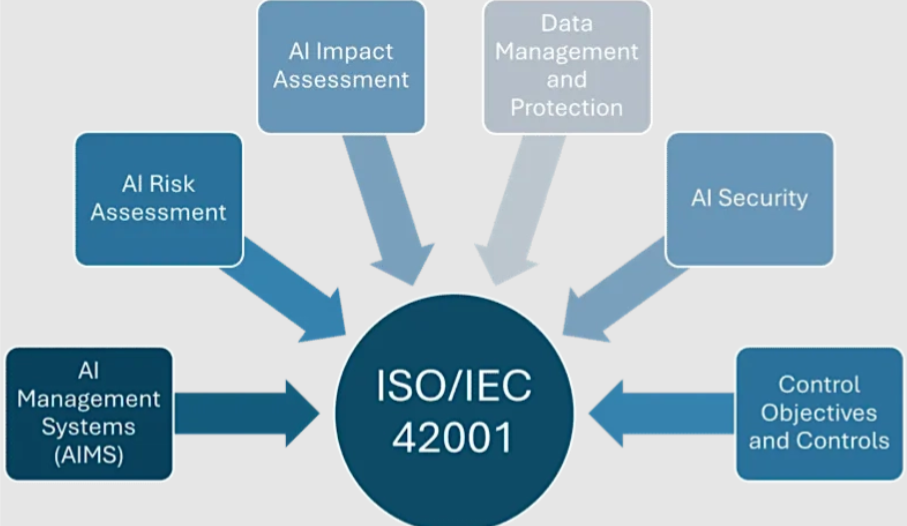
Stratlane represents the next generation of compliance. By combining advanced AI-driven audit tools with a global network of experienced auditors, Stratlane delivers a high-quality, rigorous assessment process without the administrative drag of legacy providers. The platform’s intelligent systems guide users through the exact requirements of standards like ISO 9001, ISO 27001, and ISO 42001, ensuring that preparation is complete and accurate before the formal audit even begins.
This hybrid approach—pairing cutting-edge technology with human expertise—ensures that audits are both highly efficient and fully compliant with international standards. Organizations no longer have to choose between speed and thoroughness.
Conclusion: Embracing the Digital Compliance Era
While traditional certification bodies like BSI and SGS will always hold a place in compliance history, the manual methods they rely on are increasingly out of step with the needs of modern, agile businesses. Transitioning to an AI-driven compliance model is no longer just an option for tech startups; it is a strategic necessity for any organization looking to scale efficiently. By reducing audit times by up to 45% and replacing manual chaos with automated clarity, platforms like Stratlane are redefining what it means to be certified.
Staff Writer; Brian Brown
