
(ThyBlackMan.com) When news broke that Rob Base had passed away after a private cancer battle, a whole era of Hip Hop memories came rushing back. Before social media. Before streaming numbers. Before rap became so polished and corporate. Back then, records had to move people physically. A DJ dropped the needle, the room exploded, and if the crowd kept dancing, the song became immortal. Rob Base understood that formula better than most. His voice carried energy without sounding forced. He knew how to ride a beat without overcrowding it. Most importantly, he made records that felt alive.
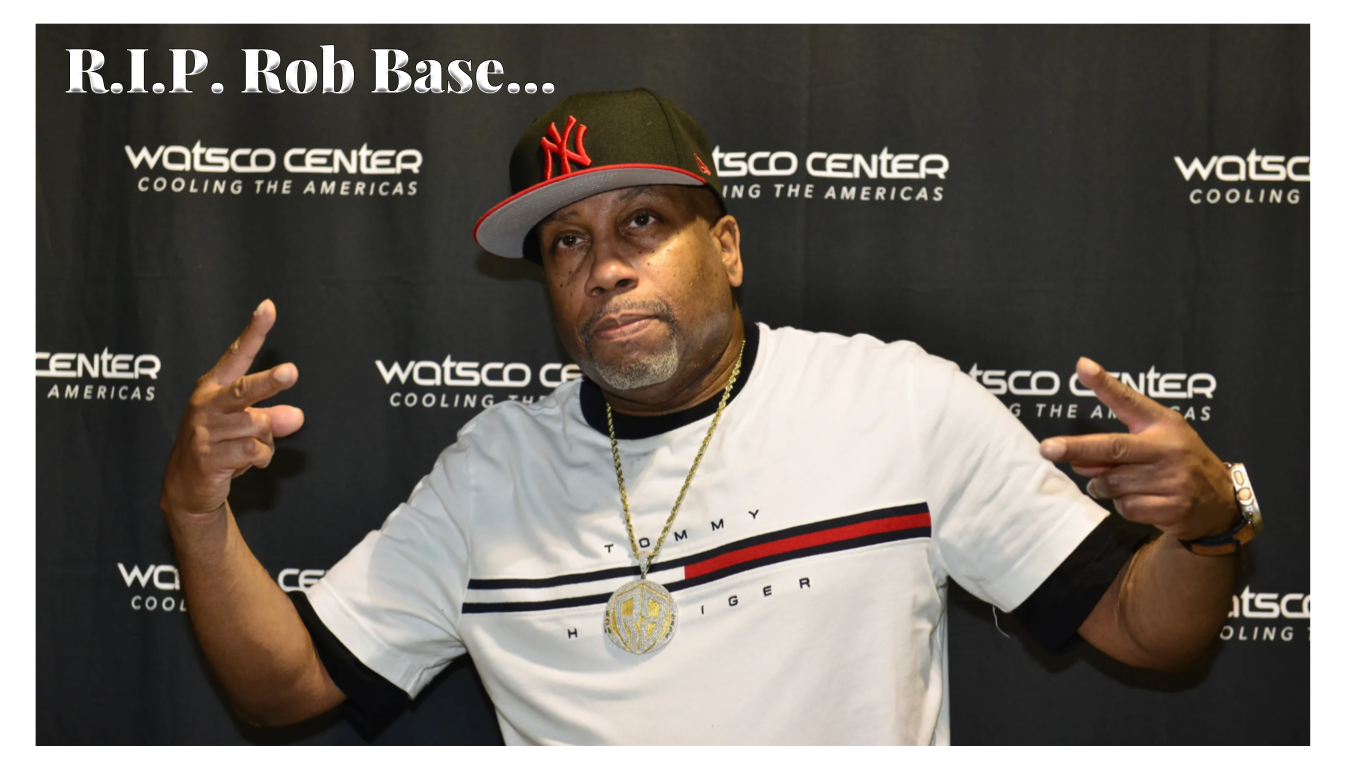
A lot of younger listeners only know “It Takes Two,” but truthfully, that catalog deserves deeper respect. The late eighties carried a raw excitement where rap still felt playful, streetwise, and community driven all at once. Rob Base and DJ E-Z Rock represented that spirit perfectly. Their music blended James Brown grooves, party chants, neighborhood flavor, and radio-ready rhythm without losing authenticity. That balance is difficult. Plenty of acts sounded commercial. Others stayed underground. Rob Base found the middle lane and turned it into gold.
“It Takes Two” still stands among the greatest Hip Hop recordings ever pressed to wax. The moment that Lyn Collins sample hits, something automatic happens in the body. Feet move. Heads nod. Spirits lift. Even now, decades later, the track refuses to age. Rob’s delivery carried confidence without arrogance. He sounded like somebody rocking the block party instead of lecturing listeners. That warmth helped the record cross generations. Weddings, cookouts, skating rinks, clubs, sporting events, and family reunions still keep the anthem alive because joy never expires.
DJ E-Z Rock also deserves praise for helping shape that chemistry. Too many discussions around old school rap overlook the importance of DJs. During that period, the disc jockey was not background decoration. The scratches, transitions, pacing, and rhythm control mattered greatly. Together, the pair created music that sounded massive while staying simple enough for everybody to enjoy. That simplicity became power.
“Joy and Pain” remains another standout recording worth revisiting. Built around the Maze groove featuring Frankie Beverly, the cut carried emotional warmth underneath its danceable frame. Rob sounded relaxed yet focused, almost like he understood music could comfort people while making them move. The production glided smoothly instead of attacking the listener. That balance gave the record staying power. Older crowds embraced it. Younger audiences connected too.
One reason “Joy and Pain” continues resonating involves timing. Hip Hop during that era still celebrated neighborhood togetherness. Songs reflected roller-skating parties, summer evenings, packed gyms, and park jams where everybody gathered around giant speakers. Listening today feels like opening a family photo album. The sound instantly paints pictures. Few rap acts captured that atmosphere naturally.
“Get On The Dance Floor” deserves attention because it showed Rob Base knew how to control momentum. The record attacked harder than some earlier releases while maintaining his trademark bounce. His cadence sounded sharper here, almost competitive. Yet the fun never disappeared. That balance separated many legendary old school performers from later generations obsessed with sounding angry every moment.
The beat structure on “Get On The Dance Floor” also reflected how Hip Hop borrowed from funk without shame. Those thick basslines, energetic loops, and crowd-moving rhythms came directly from Black musical tradition. Rob Base understood heritage mattered. Rather than hide influences, he celebrated them openly. That honesty helped the music feel grounded.
“Dope Mix” remains overlooked today, though longtime rap listeners know exactly how dangerous that record sounded during its prime. The cut carried pure block-party electricity. Nothing fancy. Nothing overly polished. Just rhythm, charisma, and movement. Rob attacked the microphone with hunger while DJ E-Z Rock kept everything flowing smoothly underneath him. That chemistry turned straightforward material into memorable art.
Another strong selection involves “Turn It Out (Go Base).” The title alone captures the spirit surrounding Rob Base during his peak years. Music then encouraged release. People wanted escape from bills, stress, work pressure, and daily frustrations. Rob specialized in delivering that release through energetic grooves and uplifting soundscapes. His voice sounded inviting rather than intimidating, which helped audiences trust the experience.
“Keep It Going Now” deserves recognition because the recording captured endurance. Some rappers delivered one huge single then faded creatively. Rob continued crafting material rooted in movement and rhythm. He understood consistency mattered. Even lesser-discussed releases carried genuine effort instead of sounding rushed together for quick money.
Another gem worth revisiting remains “Get Up and Have a Good Time.” That title practically summarizes Rob Base’s entire artistic mission. His catalog rarely chased darkness for shock value. Instead, the music aimed toward celebration. Modern rap sometimes forgets Hip Hop originally thrived inside environments where people gathered to feel alive despite hardship surrounding them. Rob carried that original spirit proudly.
The production throughout many Rob Base records also deserves respect because those tracks sounded enormous through speakers. Whether riding through city streets or hearing cuts inside crowded clubs, the records carried warmth and knock simultaneously. Engineers during that period relied more on groove than digital tricks. That human quality still comes through clearly today.
“The Incredible Base” deserves recognition because the record captured Rob Base at his most confident creatively. The production carried that unmistakable late eighties knock where funk grooves, sharp drum patterns, and energetic pacing blended together naturally. Rob sounded fully comfortable behind the microphone, almost like a neighborhood celebrity rocking the party without needing to force attention toward himself. That relaxed confidence became one of his greatest strengths as an artist.
The track also reflected how Hip Hop once thrived on pure charisma and rhythm instead of controversy. Rob Base understood how to command listeners through timing, voice control, and crowd-moving energy. He never sounded desperate chasing trends. Instead, he leaned into what made his style connect with everyday people in clubs, skating rinks, parks, and block gatherings across America.
Another reason “The Incredible Base” still works today involves its replay value. The song carries warmth missing from much modern rap. Everything feels human. The beat breathes naturally while Rob glides across the production smoothly. Those older recordings often sounded alive because artists depended more on chemistry and feeling than studio tricks.
Longtime rap listeners especially appreciate cuts like this because they reveal depth beyond crossover radio records. Casual audiences may remember “It Takes Two” immediately, but songs such as “The Incredible Base” show why Rob Base earned respect throughout Hip Hop circles during his peak years. He could entertain mainstream audiences while still keeping one foot planted firmly within the culture.
Listening now feels like revisiting a lost chapter from an important era where rap music balanced fun, creativity, rhythm, and personality perfectly. That spirit helped build the foundation countless performers later benefited from commercially. “The Incredible Base” remains another reminder that Rob Base brought far more to Hip Hop history than one famous anthem.
Beyond music, Rob represented a generation helping push Hip Hop toward mainstream acceptance without abandoning Black cultural roots. Those performers traveled difficult roads. Radio stations initially resisted rap heavily. Industry executives doubted longevity. Critics dismissed the genre constantly. Yet artists like Rob Base kept creating timeless records anyway. Their persistence built the foundation later generations benefited from financially.
His passing hurts because many pioneers leave this world without receiving proper flowers while living. Hip Hop sometimes moves so quickly toward the next trend that foundational architects become overlooked. Yet without records like “It Takes Two,” countless party anthems afterward may never have existed. The DNA stretches everywhere across popular culture.
Listening today reminds people that great rap does not always require extreme violence, endless drama, or controversy chasing. Sometimes timelessness comes from rhythm, honesty, and knowing exactly how to make listeners feel good. Rob Base mastered that craft beautifully.
May Rob Base rest peacefully. His voice helped soundtrack an unforgettable chapter within Hip Hop history, and those records will continue rocking speakers long after all of us are gone.
Staff Writer; Jamar Jackson
This brother writes with a love for poetry, music, and real conversations that reflect everyday life in the Black community… Much of his inspiration comes from old records, spoken word, and the kind of stories people carry with them for years… One may contact him at; JJackson@ThyBlackMan.com.
