(ThyBlackMan.com) A good haircut has never been just about hair. For Black men, it has always been about presentation, identity, and how we move through the world. Long before social media turned hairstyles into trends, the barbershop was where style was defined, refined, and passed down. That tradition still holds weight today.
I have watched styles rise, disappear, and then quietly return with new names. The truth is, the cuts that last are not trends at all. They are foundations. They work because they fit real lives. Work schedules. Family responsibilities. Self respect. They grow out clean. They age well. They still look right months and years later.
From the barber’s chair, you learn quickly that a haircut has to live beyond the mirror. It has to survive weather, time, stress, and routine. A style that only looks good on day one is not a good style. The ones that endure are the ones men come back for again and again.
The hairstyles below are not ranked by popularity or hype. They are measured by longevity. These are the Black male hairstyles that continue to work today because they always have.
1. The Low Fade
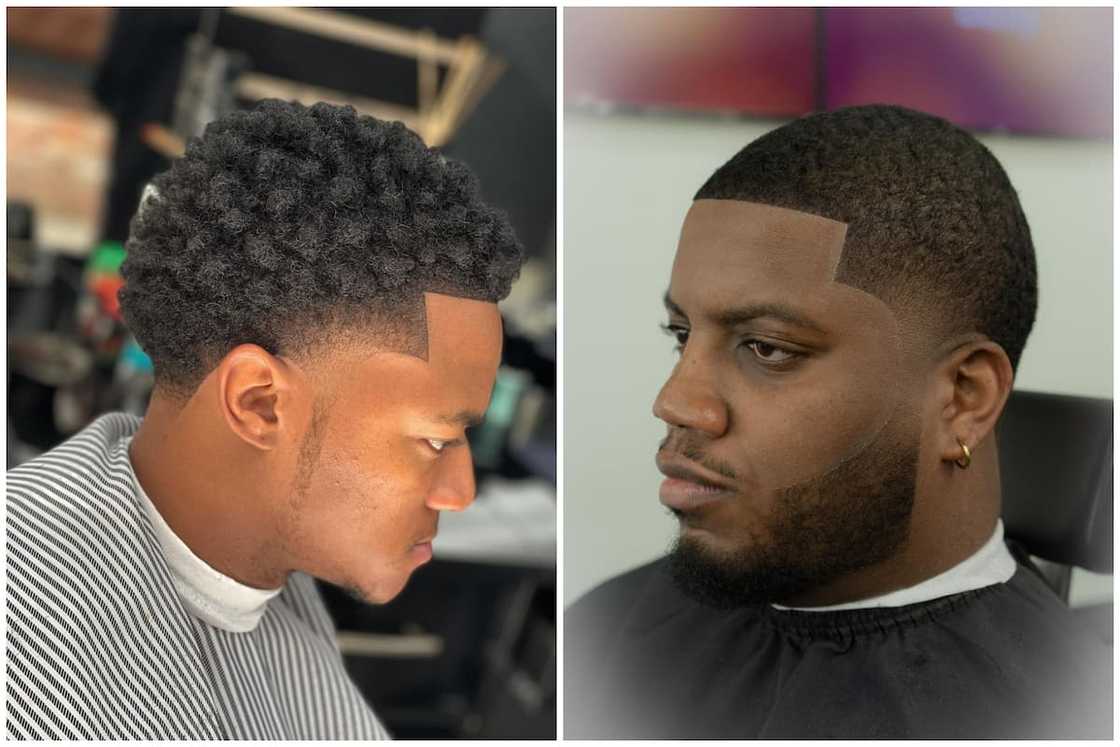
The low fade is one of the most requested cuts in my shop, and that has been true for years. It survives every trend cycle because it understands restraint. It does not shout for attention, yet it always looks finished. The fade starts low around the ears and neckline, keeping most of the hair intact on top, which allows the natural shape of the head to remain visible. That subtle balance is why the cut never feels dated.
From a barber’s point of view, the low fade is about discipline and control. Anyone can push a fade high, but keeping it low requires patience and intention. The transitions matter more. The blend must be clean without erasing the natural structure of the haircut. That is where experience shows. A good low fade looks effortless, but it is anything but accidental.
What separates the low fade from trend driven cuts is its adaptability. I have cut low fades on corporate professionals, athletes, students, fathers, and elders. It works with waves, curls, short afros, twists, or even a simple brush cut. The style adjusts to the man, not the other way around. That flexibility keeps it relevant across generations.
The real reason the low fade endures is how it lives between cuts. It grows out clean. It does not collapse after ten days. A man can miss an appointment and still look put together. In real life, that matters more than perfection on day one.
2. 360 Waves
Waves are not just a hairstyle. They are a personal agreement between a man and his mirror. When someone tells me he wants waves, I already know he is signing up for consistency. Waves are not created in the chair. They are revealed there.
From a barber’s seat, waves are about routine and respect for process. Daily brushing. Proper moisturizing. Understanding how your hair responds. It teaches patience in a way few hairstyles do. That is why waves often reflect character. The pattern tells a story about discipline long before a word is spoken.
Even now, waves remain powerful because they are individual. Two men can sit side by side with waves and still look completely different. Head shape, hair texture, brush angles, and time all play a role. That uniqueness keeps waves from ever feeling copied or outdated.
What keeps waves relevant today is the language they speak. Clean waves paired with a sharp lineup still signal care, effort, and pride. That language has not changed across decades. It is understood instantly, without explanation.
3. Dreadlocks
Dreadlocks speak before introductions are made. They carry time in them. Whether short and tight or long and flowing, locs reflect patience, growth, and intention. They are not rushed, and they are not temporary.
From a barber’s perspective, dreadlocks require honesty from day one. Not everyone is ready for them, and that conversation matters. Locs demand surrender to the process. There is no instant gratification. They teach acceptance of growth stages, imperfections, and time itself.
Today, dreadlocks carry a different kind of freedom than they once did. They are increasingly accepted in professional and public spaces, which allows Black men to show up as themselves without compromise. That shift matters because hair should never be a barrier to dignity.
Dreadlocks remain relevant because they mature with the man. Young men wear them with exploration. Older men wear them with wisdom. The style evolves naturally, never forced, never frozen in one era. That kind of authenticity cannot be replaced.
4. The Afro
The afro is the foundation. Every modern Black hairstyle traces its roots back to it. When a man wears an afro, he is wearing natural texture without apology. There is no illusion involved. Just hair in its honest state.
From the chair, the afro is not about letting hair grow unchecked. It is about shape, balance, and care. A healthy afro requires trimming, moisture, and understanding growth patterns. When done right, it frames the face and carries presence.
Today, afros still matter because natural hair still carries meaning. Choosing to wear an afro is choosing comfort with self. It says nothing needs to be added or hidden. That message does not expire with time.
The afro works now because it remains one of the most truthful expressions of Black hair. No enhancements. No shortcuts. Just identity in its purest form.
5. Cornrows
Cornrows are craftsmanship. They demand focus, patience, and precision. When done correctly, they show mastery on both sides of the chair.
From my seat, cornrows require trust. A client must sit still and allow the process to unfold. There is no rushing it. That shared patience builds respect between barber and client, turning the service into a collaboration.
Cornrows remain relevant today because they are practical. They protect the hair, last for weeks, and require little daily effort. In a world that moves fast, that functionality holds real value.
Beyond function, cornrows carry history. They connect modern Black men to ancestral grooming practices that predate trends and industries. That cultural continuity ensures cornrows never lose their place, no matter what styles come and go.
6. The Taper Fade
The taper fade is quiet confidence. It does not announce itself, but it never goes unnoticed. Clean around the neckline. Clean at the temples. Everything else left natural. That restraint is what makes the taper fade one of the most respected cuts in the barbershop.
From a barber’s standpoint, the taper fade is about precision rather than flash. The margins matter. A fraction of an inch too high or too wide changes the entire look. This cut exposes the barber’s skill because there is nowhere to hide mistakes. The cleaner the taper, the more refined the result.
What keeps the taper fade relevant today is its professionalism. I cut tapers on teachers, executives, ministers, and men who simply want to look sharp without drawing unnecessary attention. It fits environments where loud styles do not belong, yet still communicates intention and self care.
The taper fade lasts because it enhances what is already there. It respects natural growth and works with almost any texture. When a man wants to look composed without overstatement, this is the cut that delivers every time.
7. The Buzz Cut with Lineup
The buzz cut with a sharp lineup strips everything down to essentials. There is no disguise here. No length to distract. Just bone structure, hairline, and confidence.
From my chair, this cut is all about detail. When the hair is short, every line matters more. A crisp lineup can elevate the entire look. A sloppy one ruins it. This is where steady hands and experience separate professionals from amateurs.
Even today, the buzz cut works because masculinity does not require excess. Some men want simplicity without looking unfinished. This cut delivers that balance. It looks intentional, not lazy.
The buzz cut also grows evenly, which makes it forgiving. A man can stretch appointments and still look respectable. In real life, that practicality keeps it in constant rotation.
8. The Curly Fade
The curly fade celebrates texture instead of trying to control it. Tight on the sides. Natural movement on top. It allows curls to exist freely while keeping structure intact.
From a barber’s point of view, curly fades require understanding hair behavior. Curls shrink. They move. They respond differently when dry versus wet. Cutting curls properly means anticipating how they will live after the chair, not just how they look during the cut.
Today, the curly fade stays relevant because Black men are no longer being taught to hide texture. Natural curls are finally being embraced as a feature, not a problem. That cultural shift gives this style lasting power.
The curly fade works now because it mirrors modern Black masculinity. Controlled but expressive. Structured but authentic. That balance resonates deeply in today’s world.
9. Sponge Twists
Sponge twists sit at the intersection of transition and expression. They are often the bridge between short hair and longer styles, giving definition without long term commitment.
From my seat, sponge twists are ideal for clients learning their hair. They help men understand curl patterns, moisture needs, and growth behavior. That education matters more than the style itself.
Even today, sponge twists work because they are adaptable. They can be refreshed easily. They pair well with fades. They can grow into twists, locs, or freeform styles without disruption.
Their relevance comes from accessibility. Not everyone is ready for long styles, but everyone deserves definition. Sponge twists meet men where they are.
10. The High Top Fade
The high top fade is unapologetic. It takes up space on purpose. It demands presence and rewards confidence.
From a barber’s perspective, the high top is geometry and balance. The shape must be clean. The height must be intentional. Without precision, the cut collapses. When done right, it becomes art.
Today, the high top works as both legacy and modern expression. It carries echoes of past eras while still allowing creativity in shape and finish. That dual identity keeps it alive.
The high top fade endures because Black style has always been about ownership of space. This cut does exactly that. It refuses to shrink.
The reason these hairstyles continue to matter is simple. They were never built for attention. They were built for life. They fit into workdays, weekends, relationships, and responsibilities without losing their shape or meaning.
From a barber’s perspective, the best haircut is the one that still looks intentional two weeks later. The one that grows out with dignity. The one that makes a man feel comfortable in his own skin without needing constant correction. That is what separates timeless styles from temporary trends.
Black hair has always been expressive, adaptable, and resilient. These hairstyles reflect that truth. They evolve without losing their foundation. They honor texture, culture, and routine. They do not chase approval. They stand on confidence.
These styles will always have a place in barbershop chairs because they are rooted in consistency, care, and self respect. That is what keeps them relevant. That is what keeps them lasting.
Staff Writer; Barber H.K. Shaw
This brother is a professional barber with years of experience working with Black men’s hair and grooming culture. For inquiries or feedback, contact HKShaw@ThyBlackMan.com.
