(ThyBlackMan.com) Mobility is more than moving from one place to another. In today’s world, it is a symbol of access, opportunity, connection, and empowerment. For African-American communities, mobility has deep historical roots, shaped by migration, resilience, and the ongoing pursuit of equity. Understanding modern mobility means appreciating both its practical facets, how people travel and transport what matters, and its cultural significance in shaping lives and futures.
Mobility as Access to Opportunity
From the Great Migration of the early 20th century, when millions of African Americans moved from the rural South to northern and western cities, to today’s career changes and relocations, mobility has been central to expanding opportunity. Whether seeking better jobs, safer neighbourhoods, or educational possibilities, the ability to move freely still opens doors.
Transportation systems play a crucial role in this. Reliable public transit, affordable car ownership, and safe roads influence where people live and work. When these systems are equitable, they support greater access to economic participation and community wellbeing.
Everyday Mobility and Independence
For many, owning a vehicle represents independence. It allows families to travel for work, take children to school and activities, and maintain social and cultural ties. This independence is especially meaningful in communities where public transit options may be limited or unreliable.
In practical terms, ensuring your vehicle moves with you is part of preserving that independence. When relocation or long trips are part of life, planning for vehicle transport, including specialised needs like New Jersey motorcycle transportation, becomes an essential part of modern mobility.
The Cultural Significance of Transportation
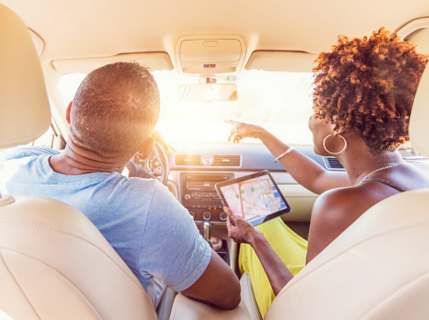
Transportation has always held cultural meaning in African-American history. From the long journeys of the Civil Rights Movement to road trips that define family traditions, the movement itself carries stories. Cars, buses, bicycles, and motorcycles are not just tools; they connect people to heritage, creativity, and personal expression.
Motorcycles in particular embody a sense of freedom and identity for many riders. They are a way to experience the open road, build community, and celebrate individuality. Whether for relocation, events, or simply returning home, ensuring they move safely across distances supports both practicality and passion.
Mobility Challenges in Urban and Rural Communities
Not all mobility is easy. African-American families in both urban and rural areas often face structural challenges like underfunded transit systems, long commute times, and limited access to reliable transportation infrastructure. These gaps can affect job opportunities and quality of life.
Addressing these disparities requires investments in public transit, safe cycling routes, accessible rideshare options, and community-focused planning. It also means listening to the lived experiences of those whose mobility has been hindered by inequity.
Technology’s Role in Modern Mobility
Today’s mobility landscape is shaped by innovation. Ride-hailing services, electric scooters, and mobile apps connect people to transportation options with unprecedented ease. These technologies have the potential to expand access, especially in areas where traditional transit falls short.
Yet equitable access to these tools depends on infrastructure, affordability, and digital inclusion. Ensuring communities have both the technology and the support to benefit from modern mobility solutions is critical.
The Future of Mobility and Community
Mobility in a modern society is not only about reaching destinations. It is about how movement strengthens community, supports wellbeing, and creates opportunities for growth. For African-American families, mobility continues to represent resilience, aspiration, and the freedom to shape one’s path.
As transportation options evolve, from public transit improvements to personalised vehicle services, thoughtful discussions about equity, access, and cultural relevance must guide progress. When you understand mobility as both a practical necessity and a cultural experience, you open the door to a more inclusive and connected future.
Conclusion
What mobility really means today goes far beyond the wheels beneath you. It encompasses freedom, access, opportunity, and community. By appreciating its role in history and embracing equitable solutions for the future, you honour the journeys that many have taken before and open new paths for the generations to come.
Staff Writer; Greg Brown
