
(ThyBlackMan.com) Prom night is a formal occasion where photographs, movement and first impressions matter. A gown must hold its shape, fit the wearer and reflect her chosen style without looking like a copied costume.
Mass-produced dresses often repeat familiar details, but a true designer gown has a more considered relationship with fabric, construction and silhouette. The difference becomes clearer through the design details, fitting process and practical checks that follow before prom night.
What Sets A Designer Gown Apart
A recognised designer name gives shoppers a useful starting point, but the label matters because it reflects a clear design language. Sherri Hill prom dresses are associated with glamorous styling, intricate beadwork and figure-flattering silhouettes. Those details help a wearer choose a gown with a clear visual direction, rather than selecting a generic shape first and adding decoration later.
Mass-produced copies usually begin with a popular outline that can suit a broad customer base. Designers work with a more specific proportion, placing the neckline, waist, skirt volume and embellishment in relation to one another. That relationship creates a finished look that feels intentional from every angle.
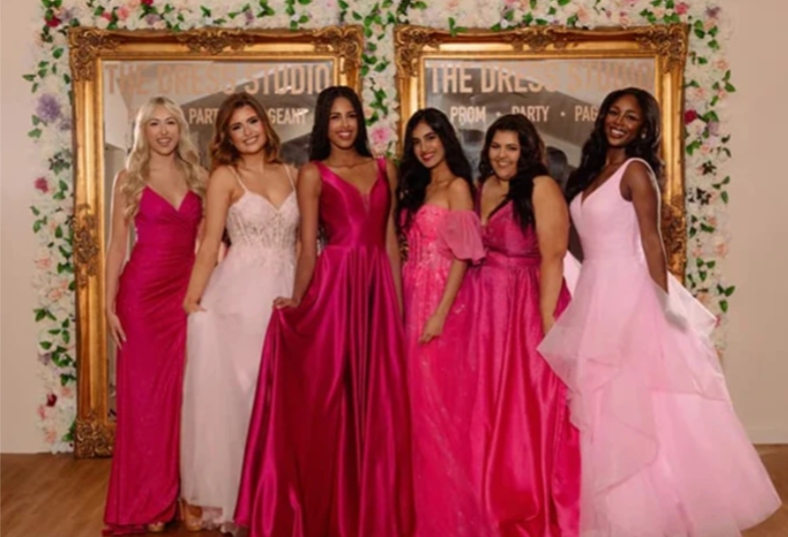
Detail Makes The Difference
Beadwork provides an immediate test. On a designer gown, embellishment follows the shape of the bodice or skirt, so the pattern supports the cut instead of sitting as a separate layer. Carefully placed detail also affects how light catches the dress in photographs and under venue lighting.
A copy can reproduce the general idea while losing the original balance. Beads might appear too evenly spaced, heavy in one area or disconnected from the seams. These faults become visible when the wearer moves, sits down or turns for a photograph.
The same principle applies to fabric handling. A well-planned gown uses gathers, panels and seams to control volume around the body. A mass-produced version often relies on a standard cut, which leaves excess material in some places and restricts movement in others.
Silhouette Should Suit The Occasion
A dramatic ball gown creates volume through its skirt and gives prom styling a formal presence. A mermaid shape follows the body before widening near the hem, creating a narrower outline with a defined finish. A two-piece set creates a separate proportion between the top and skirt, giving the outfit a more contemporary appearance.
Each silhouette requires different checks during fitting. A full skirt needs enough room for walking and sitting, while a close-fitting style needs comfort around the hips and knees. The waistline should stay in place without constant adjustment, especially during dancing or photographs.
A copy often borrows the name of a silhouette without reproducing its structure. The result can look similar on a hanger but sit differently on the body. Trying the gown on reveals whether its proportions work for the wearer, rather than relying on an online image alone.
Fit Reveals Construction Quality
The first fitting should examine the shoulder line, bust placement and waist position. Seams should sit where the pattern intends, and the neckline should remain secure while the wearer walks and raises her arms. These checks show whether the gown supports movement as well as appearance.
Length requires equal attention. The hem should suit the wearer’s shoes and allow safe movement across floors, steps and outdoor paths. A dress that drags or catches underfoot needs alteration before the event, regardless of its appearance in a photograph.
A specialist boutique also gives the wearer a chance to compare shapes under proper lighting. The Dress Studio’s inspected collection page states that its Sherri Hill dresses are available to try in its Warrington superstore. That practical step helps separate a genuine fit decision from a purchase based purely on a product image.
Authenticity Protects the Final Look
Buyers should check the designer label, internal finish and garment details before paying. The dress should match the stated style, colour and presentation, with no unexplained substitutions or loose finishing. Clear product information also gives the buyer a reliable record for alterations or future questions.
Price alone does not prove authenticity. A low price can reflect a sale, while a high price cannot correct poor construction. Buyers need to assess the label, fit, detail placement and condition together.
A genuine designer gown also gives the wearer a clearer styling base. Jewellery, shoes and hair can support the dress without competing with its proportions. Copies often require extra accessories to distract from uneven detail or an uncertain silhouette.
Conclusion
A designer prom gown earns its distinction through proportion, placement and fit, not through a familiar name alone. Sherri Hill’s recognised silhouettes and decorative details give shoppers a clear reference point, while an in-person fitting tests comfort and movement.
Before buying, inspect the label, try the gown with suitable shoes and check every seam, fastening and embellishment. Those simple steps help a wearer choose a genuine dress that looks considered in photographs and feels secure throughout the evening.
Staff Writer; Terry Short
