
(ThyBlackMan.com) Although personal safety alarms cannot prevent an attacker from continuing an attack, they do generate a loud and immediate signal that can deter the assailant. Their deterrent effect depends on surprise, sound level, access, and the user’s ability to activate the device quickly.
An alarm works best as one part of a broader safety plan, alongside awareness, distance, and an escape route. The answer becomes clearer after examining how sound changes an attacker’s choices.
What Makes an Alarm Deterrent?
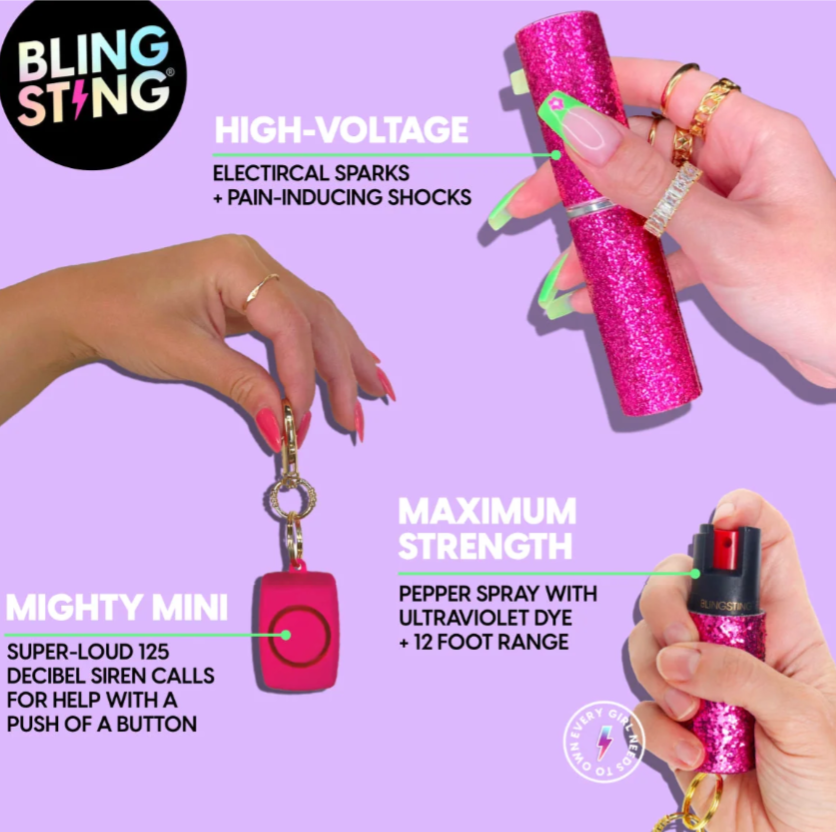
An attacker seeks privacy, control, and time. A piercing alarm disrupts those conditions by attracting attention. A person comparing a personal safety alarm for sale should check the activation method, carrying position, and sound pattern before choosing one. The device matters only if it remains accessible during a stressful moment, because a buried alarm cannot produce a useful signal quickly. That practical test gives deterrence a clearer meaning.
An alarm creates uncertainty for an attacker. Those in the area could look toward the sound, call 911, or move closer to help. Muted intimidation is also more difficult to sustain in a noisy environment.
Deterrence does not require an attacker to fear the device itself. The immediate concern is exposure, interruption, and the loss of control over the encounter.
Why Sound Changes the Situation
A loud alarm demands attention in a way that a silent defensive action does not. Its sound gives bystanders a clear reason to notice something unusual, even when they cannot see the entire event.
The signal also communicates distress when a person cannot safely speak or reach a phone. This matters in parking garages, outdoor paths, transit areas, and other places where a verbal call for help is difficult.
Sound alone does not resolve a confrontation. Its purpose is to interrupt the moment, create distance, and support movement toward people, lighting, or a safer location.
What an Alarm Cannot Do
A personal safety alarm does not physically restrain an attacker. It cannot replace an exit plan, situational awareness, or emergency assistance.
An attacker could ignore the sound, cover the device, or continue despite nearby attention. A person should never stay in place to test whether the alarm has worked.
The safest response is movement. After activation, the user should head toward a populated location, contact emergency services if possible, and provide a clear description of the location.
How to Use One Effectively
The alarm should stay where one hand can reach it without searching through a bag. A keychain attachment, coat pocket, or exterior bag loop keeps activation fast.
Practice matters because stress reduces fine motor control and slows decision-making. A person should learn the trigger, test the device according to its instructions, and rehearse moving toward an exit after activation.
An alarm should remain ready before a risky situation develops. Holding it while walking through a quiet area reduces the delay between recognizing danger and creating a signal.
Select for Access, Not Appearance
Personal style can affect whether a device gets carried consistently. The better choice is an alarm that fits the person’s daily routine and remains easy to locate.
The collection inspected for this article lists 12 results, including the Heart Safety Alarm and Soft Touch Mini Safety Alarm. Listed prices range from $22.00 to $132.00, with individual alarms and sets shown separately.
Check the Surroundings First
A person should scan for open businesses, staffed buildings, well-lit routes, and other people before trouble begins. That preparation gives the alarm a clear purpose within an escape plan.
The device should not create false confidence. A person who notices threatening behavior should increase distance early instead of waiting until physical contact occurs.
When Should Someone Activate It?
Activation should happen when a person faces an immediate threat, unwanted physical contact, or a situation that prevents safe movement. Waiting for absolute certainty can remove valuable time.
A person should activate the alarm and move toward safety rather than negotiate with an attacker. The sound can draw attention, but the user still needs to create distance.
If the alarm activates accidentally, the user can silence it according to the product instructions. Regular practice helps prevent hesitation during a genuine emergency.
Conclusion
Personal safety alarms deter some attacks by removing privacy and attracting immediate attention, but they do not guarantee compliance. Their practical value depends on quick access, reliable activation, and a clear route away from danger.
The next step is simple: choose a device that fits the person’s routine, practice activating it with one hand, and identify nearby safe locations along regular routes. That preparation gives the alarm a defined role before an emergency occurs.
Staff Writer; Lou Jackson
