
(ThyBlackMan.com) Homeowners dealing with hard water quickly notice the gritty residue on faucets, showerheads, and inside appliances. This buildup is not just cosmetic—it affects the performance and longevity of water heaters. The central problem is how mineral-rich water interacts with the two main styles of water heating: tankless (on-demand) and traditional tank units. Understanding which system better resists hard water scaling without constant descaling can prevent expensive repairs and downtime. The answer depends on the design features of each type and how minerals like calcium and magnesium accumulate inside the units. While both systems can be affected by hard water, their vulnerability, maintenance frequency, and resistance to scaling differ in ways that shape long-term costs and convenience.
Hard Water Mineral Composition and Heater Vulnerability
Hard water contains high levels of dissolved minerals, mainly calcium and magnesium. When this water is heated, these minerals come out of solution, forming solid deposits known as scale. These deposits can clog pipes, reduce water flow, and coat heating elements in both tankless and tank water heaters. In regions where water hardness is above a certain threshold, scale forms more rapidly, making the choice between Tankless vs Tank Water Heaters hard water performance especially relevant.
The chemical reaction behind scale formation is straightforward: heating hard water causes calcium carbonate crystals to precipitate onto the hottest surfaces. This means the parts of a water heater exposed directly to heat—like the heating element in a tank or the heat exchanger in a tankless unit—are most vulnerable. How much scale builds up depends on mineral levels and how often the heater cycles on.
Understanding how water hardness affects heating systems can help homeowners anticipate maintenance needs and plan for preventive care before scale causes a drop in efficiency or early equipment failure.
Tank Water Heater Mechanics Against Calcium Buildup
Traditional tank water heaters store and continually heat a large volume of water, exposing their heating elements and the tank bottom to ongoing mineral buildup. The accumulation of scale at the base can lead to rumbling noises and reduce the unit’s heating efficiency, as the element must heat through an insulating layer of minerals.
Anode rods, installed inside most tank water heaters, help mitigate some effects of hard water by attracting corrosive elements and slowing down rust, but they do not prevent scale. Many manufacturers recommend periodic flushing of the tank to remove settled sediment and calcium deposits. This process involves draining several gallons from the bottom drain valve, which washes away loose minerals before they harden into thick layers.
Comparing tank water heater maintenance recommendations helps readers see why regular flushing is critical in hard water areas and why some tank models are more forgiving of missed maintenance than others.
Tankless Water Heater Heat Exchanger Scale Vulnerability
Tankless water heaters heat water on demand using a compact heat exchanger. This design means water passes through narrow metal coils, which become prime sites for scale if hard water is present. Even a thin mineral layer inside these coils can dramatically restrict water flow and force the heater to work much harder to reach set temperatures.
Most tankless models include error codes or shut-off features that trigger when scaling interferes with performance. Unlike tanks, which can sometimes tolerate moderate buildup, tankless units require prompt descaling—often using a pump and vinegar or a manufacturer-recommended solution flushed through the system. Homeowners in hard water regions may need to descale their tankless units as often as every few months if no water softener is used.
When comparing Tankless vs Tank Water Heaters in the context of hard water, this vulnerability means the tankless design often demands more frequent attention to stay efficient and avoid costly repairs.
Long Term Maintenance Strategies for Mineral Heavy Water
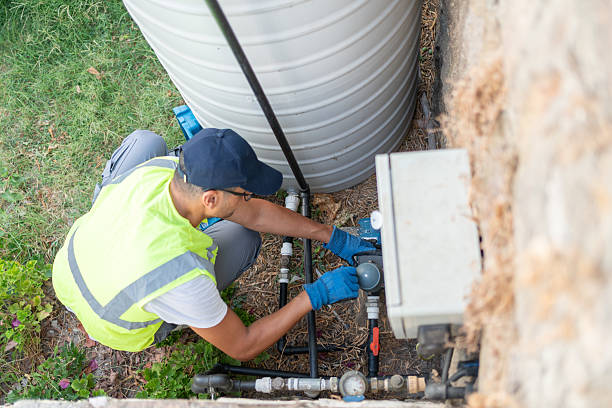
For homes with significant hard water, adding a whole-house water softener remains the most effective way to protect any water heater from scale. A softener exchanges hardness minerals for sodium or potassium, reducing the scale-forming potential before water reaches the heater. Some models of both tankless and tank units are designed to pair easily with these systems.
In addition to water softeners, regular maintenance routines are key. For tank water heaters, annual or semi-annual flushing helps prolong the tank’s life and keeps heating elements efficient. Tankless units benefit from scheduled descaling, using a pump kit to circulate cleaning solution through the heat exchanger. Installing pre-filters can also trap larger particles and delay scaling inside both heater types.
Choosing the right system for a household’s water hardness level and maintenance willingness is essential. Homeowners willing to invest in preventive care can keep either system running efficiently, but those seeking the lowest-maintenance path may find traditional tanks more forgiving in mineral-heavy environments.
Conclusion
If hard water is a persistent challenge in your home, prioritize a maintenance plan before selecting a water heater. For those unable or unwilling to perform frequent descaling, a traditional tank water heater paired with a regular flushing schedule and an anode rod check offers more tolerance to scale. Homeowners comfortable with routine upkeep and descaling may benefit from the efficiency of a tankless unit, especially if paired with a water softening system. Always match your choice to your water’s mineral content and your preferred maintenance routine.
Staff Writer; Larry Shaw
