(ThyBlackMan.com) This is the part of Hip Hop that never feels new, no matter how many times we see it play out.
It starts with momentum. A young man gets hot, not just for a season, but in a way that feels like it could last. The streets recognize him. The industry backs him. The numbers line up. The fans lock in. For a moment, everything is moving the way it is supposed to.
Then something shifts.
Not always overnight, but fast enough that you feel it. The music is still there, the name is still buzzing, but the focus starts drifting. The business gets complicated. The pressure builds. And somewhere between the expectations of the streets and the demands of the industry, the foundation begins to crack.
That is where we are now.
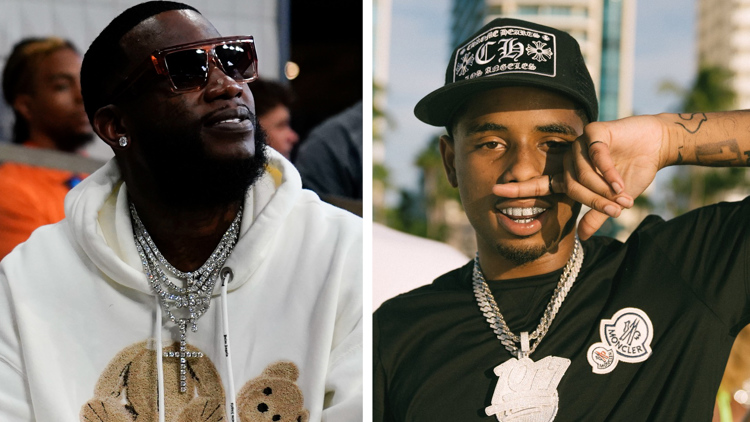
The situation involving Pooh Shiesty and Gucci Mane is not just another headline to scroll past. It is not just gossip. It is not just another “rapper in trouble” story for folks to debate for a day and forget by the weekend.
This one cuts deeper because it touches business, power, and control.
A reported dispute tied to a recording contract has now turned into something much darker, something that forces you to look at the entire system around these artists. Because when things escalate to this level, you are no longer just talking about music. You are talking about decisions that can change lives, careers, and legacies in real time.
And the question that keeps coming back is simple, but heavy.
How does a man get this close to having everything and still end up risking it all.
This is sad.
There is a certain kind of hurt that comes when talent and self destruction collide in public. Not the usual disappointment you feel when an artist drops a weak project or misses a moment. This is deeper than that. This is the kind that sits heavy because you can clearly see the opportunity, but you can also see how fast it can all slip away.
The situation surrounding Pooh Shiesty is bigger than headlines. If the allegations are even halfway true, then this was not just about ego or street tension. This was about business. Contracts. Ownership. Control.
And once business gets mixed with street pressure, things tend to spiral fast.
By any real measure, Pooh Shiesty had positioned himself to win long term. Even after prison, his name still carried weight. His music still moved. His fan base was still there, waiting. That kind of second chance does not come often in Hip Hop. Most artists lose momentum and never get it back.
He got it back.
That is what makes this hit harder.
Because when a man still has value, still has demand, still has the machine ready to profit off him, you start asking a real question. Why does success fail to protect the very people it was supposed to elevate.
People will say it is just bad decisions. And yes, decisions matter. But that is not the full story.
Hip Hop has always rewarded proximity to danger. That is the uncomfortable truth nobody wants to fully sit with. The culture tells young artists to make it out, but never fully detach from where they came from. Stay real. Stay connected. Stay official. But also be a businessman, a brand, a corporation.
That contradiction breaks people.
You are expected to think like a CEO but still move like you have something to prove. You are supposed to be polished enough for endorsements but raw enough for credibility. And when you are young, coming from pressure, coming from survival mode, that balance is not easy to hold.
It is almost designed to fail.
Now when you look at the contract side of this situation, things get real cold, real fast.
If a contract or release was allegedly signed under pressure or fear, that document does not hold the same weight as a normal agreement. Business law does not respect deals made under intimidation. That is not negotiation. That is force. And force does not create a clean contract.
So even if something was signed in that moment, it likely would not stand as a legitimate exit from a deal.
That means the original recording contract could still technically be in place.
But here is the part people miss.
A contract being alive on paper does not mean the relationship is alive in reality.
Trust is everything in the music business. Once that is broken, especially in a situation like this, the paperwork becomes secondary. Labels are not just looking at clauses. They are looking at risk.
Can we release music
Can we promote safely
Can we put money behind this artist
Can we depend on stability
Those are the questions that matter.
And if the answer to those questions starts leaning toward no, then the label will move accordingly. They might suspend the deal. They might try to terminate it. They might just sit back and let the legal system play out while the momentum fades.
Because momentum is everything in music.
And once it slows down, it is hard to get back.
That is where the real loss comes in. Not just money. Not just contracts. Momentum.
Albums get delayed. Features disappear. Opportunities dry up. The public moves on. And in today’s game, people move on quick.
That is the part that hurts the most.
Because this was avoidable.
Back in the day, there was more structure around artists. Not perfect, but better. You had people in position who understood that protecting the artist was part of protecting the investment. There were mentors. There was guidance. There were people who would step in before things got out of control.
Now it feels like the machine is fine watching things fall apart as long as it can profit first.
And that is dangerous.
Because young Black men are stepping into million dollar situations without million dollar guidance. They are expected to navigate contracts, fame, pressure, and expectations all at once.
That is a heavy load.
And when there is no real support system, when there is no one pulling them aside and saying slow down, think, move different, then situations like this become more common than they should be.
This is not just about one artist.
This is about a pattern.
Too many talented young men get the opportunity, but do not have the structure to sustain it. They make it out, but cannot stay out.
And that is the real lesson here.
The goal is not just to get on. The goal is to last. The goal is to build something that cannot be taken away by one moment, one decision, one situation.
Because once everything starts crashing, the contract is the least of your problems.
Contracts can be fixed. Reworked. Fought over.
But lost time, lost freedom, lost momentum, that is harder to recover from.
And that is why this whole situation feels bigger than just a dispute.
It feels like another reminder that in Hip Hop, the opportunity is real.
But keeping it
That is the real challenge.
