
(ThyBlackMan.com) Spending winter somewhere warmer creates a practical question: what should you do about a car? Driving brings your familiar vehicle along, shipping lets you travel separately, and buying a second car means keeping transportation at both homes. Each option can work. The fairest comparison covers an entire year, including the journey south, the return north, and the months when a second vehicle might sit unused.
Driving: Count More Than Fuel
Driving may suit you if the road trip is part of the experience. Visiting family, stopping along the coast, or traveling with belongings can make the journey worthwhile. Start your budget with fuel, overnight accommodations, tolls, parking, and additional meal spending for both directions.
Keep mileage-related maintenance and depreciation separate from immediate travel expenses. Avoid adding a broad vehicle-cost allowance on top of fuel if that allowance already includes it. Then consider the time required and whether everyone traveling is comfortable with the planned driving days.
Compare the household cost, too. Two people sharing one car and hotel room create a different calculation from two airline tickets plus vehicle shipping.
Shipping: Keep Your Car and Travel Separately
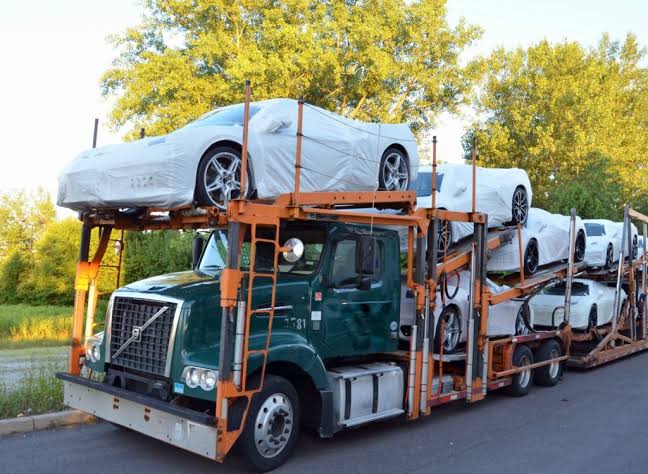
Shipping is worth considering when you want your own vehicle at your winter home but prefer to avoid the long drive. Navi Auto Transport’s snowbird car transport guide outlines seasonal shipping arrangements and route considerations. Request quotes for your actual vehicle, addresses, and travel windows.
Include both shipments, passenger travel, baggage charges, airport transfers, and any temporary transportation needed before delivery. Ask whether booking both directions changes the price and what happens if your return date moves.
Confirm the personal-belongings policy before packing the trunk. Also establish who can release and receive the vehicle if collection or delivery falls outside your own travel schedule.
A Second Car: Budget for Ownership Between Visits
Keeping a vehicle at your winter residence removes the need to transport it twice a year. However, the purchase price is only the beginning. Obtain estimates for insurance, registration, maintenance, storage or parking, and financing costs where applicable.
Think about who will check the car while you are away and what preparation it needs before your return. Arrange an independent inspection before buying a used vehicle rather than assuming a low price means low ongoing costs.
For a multi-year comparison, separate upfront cash from ownership expense. The full purchase price affects your initial budget, but expected resale value matters when estimating the cost over several years. Do not count the full purchase price and depreciation again as separate ownership costs.
Put All Three Options on the Same Timeline
Choose a realistic planning period, such as three winters, and compare:
- Drive: Both annual road trips, added vehicle wear, and travel time.
- Ship: Both annual shipments, passenger travel, and transportation gaps.
- Buy: Purchase cost minus expected resale value, ongoing ownership expenses, and passenger travel.
Use current quotes and conservative assumptions. Test what happens if you spend one fewer winter away or encounter an unexpected repair. A second car becomes a different proposition if your seasonal plans are still uncertain.
Choose Around the Winter You Actually Want
Driving can make sense when you enjoy the journey. Shipping can fit a preference for flying while retaining a familiar car. A second vehicle may suit a stable, recurring arrangement with dependable parking and care. Choose the option whose complete cost and practical demands match your plans—not simply the one with the smallest first payment.
Staff Writer; Fred Brown
