
(ThyBlackMan.com) People hear about this condition all the time, but most folks do not actually understand what it is or what living with it feels like. What they know usually comes from jokes, television skits, or short clips online that reduce a complex neurological reality into a punchline. That surface level understanding does real damage, because it strips people of their humanity and turns a medical condition into something to laugh at or fear. At its core, this condition is a neurological disorder that begins in childhood and affects how the brain communicates with the body. It shows up through movements or sounds that happen involuntarily. These are known as tics, and they are not habits, bad manners, or attention seeking behavior. They are the result of differences in how certain brain circuits work, particularly the ones involved in movement, impulse control, and regulation.
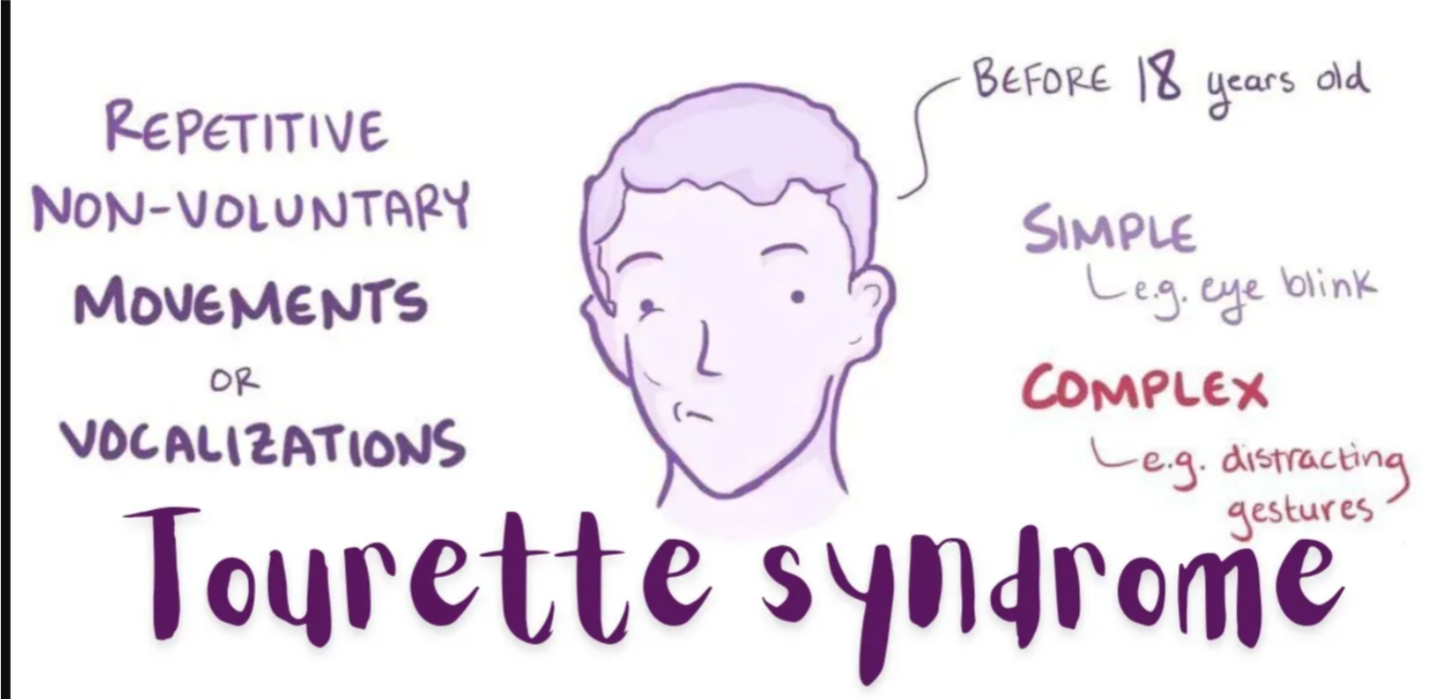
Tics can look very different from person to person. Some are subtle, like eye blinking, facial tightening, shoulder movements, or throat clearing. Others are more noticeable, such as head jerking, arm movements, or vocal sounds that repeat without warning. What makes this especially difficult is that these actions are not chosen. A person may feel an internal buildup, like pressure or discomfort, and the tic provides brief relief. That sensation is hard to explain unless you live with it. Imagine trying to hold back a sneeze or stop yourself from blinking for long periods of time. Eventually the body demands release. That is the experience many people describe, except it can happen dozens or even hundreds of times a day.
This condition usually starts in early childhood, often between the ages of five and ten. It tends to peak during the early teenage years and then changes over time. For some people, symptoms become milder in adulthood. For others, they remain present but manageable. It affects people of all backgrounds, races, and genders, though boys are diagnosed more often than girls. That does not mean girls experience it less. It often means their symptoms are misunderstood or overlooked. In Black communities especially, children with neurological differences are more likely to be disciplined instead of supported, labeled instead of evaluated, or ignored altogether because access to specialists can be limited.
One of the biggest myths is that everyone with this condition shouts curse words uncontrollably. That specific symptom exists, but it is actually rare. Most people with the condition never experience it. Unfortunately, popular culture has latched onto that image, making it the dominant narrative. That misunderstanding follows people into classrooms, workplaces, and public spaces. Children get punished for things they cannot control. Adults get stared at, mocked, or avoided. Over time, that kind of treatment shapes how someone sees themselves. It can lead to shame, anxiety, and isolation long before anyone ever explains what is actually happening inside their brain.
Living with this condition is not just about managing movements or sounds. It is about navigating a world that often lacks patience and empathy. Many people with this diagnosis also experience related challenges such as attention difficulties, anxiety, obsessive thoughts, or sensory sensitivity. These are not character flaws. They are part of how the brain is wired. When those layers overlap, daily life can feel exhausting. Simple things like sitting in a quiet room, taking a test, or being in a crowded place can trigger symptoms. Stress, excitement, fatigue, and strong emotions often make tics more intense. Calm environments and understanding people can make a noticeable difference.
School is often where the struggle becomes most visible. Kids are expected to sit still, be quiet, follow rules, and blend in. For a child with this condition, that expectation can feel like a daily setup for failure. Teachers who do not understand may think the child is disruptive on purpose. Classmates may tease or exclude them. Over time, the child learns to suppress symptoms to survive socially. Suppression takes energy. It can work for short periods, but it usually leads to a rebound where symptoms come back stronger later. That cycle can be mentally draining and emotionally painful.
As people grow older, the challenges shift but do not disappear. Adults with this condition may worry about job interviews, workplace perceptions, or being judged as unprofessional. Some choose careers where movement and expression are less restricted. Others learn coping strategies that allow them to function in structured environments. Many become incredibly self aware and resilient because they have had to navigate discomfort from a young age. That resilience is real, but it should not be romanticized. No one should have to be strong just to exist comfortably.
Medical understanding of this condition has grown significantly over the years. Researchers know it involves differences in brain chemistry and communication, particularly in areas related to movement control and habit formation. Genetics play a role, though there is no single cause or gene responsible. It is a combination of inherited factors and environmental influences. Brain imaging studies have shown that certain pathways do not regulate signals the same way they do in people without the condition. That does not mean the brain is broken. It means it works differently.
There is no cure, but there are effective ways to manage symptoms. Treatment is not one size fits all. Some people do well with behavioral therapy that teaches awareness and alternative responses. Others benefit from medication that helps regulate brain signaling. Many use a combination of approaches. The goal is not to erase who someone is. The goal is to reduce distress and improve quality of life. For some, that means fewer tics. For others, it means learning how to live confidently with them.
Support systems matter just as much as medical care. Families who listen, learn, and advocate make a huge difference. Schools that provide accommodations help children succeed without unnecessary stress. Workplaces that allow flexibility and understanding retain talented people who might otherwise feel pushed out. In Black communities, conversations around neurological health are still catching up. There is often pressure to tough it out, pray it away, or discipline it out. That approach causes harm. Awareness is the first step toward change.
Mental health is tightly connected to this condition. Many people experience anxiety or depression, not because of the tics themselves, but because of how the world reacts to them. Constantly monitoring your body, worrying about judgment, and bracing for negative reactions takes a toll. Therapy can be life changing, especially when it focuses on self acceptance and stress management. Peer support also matters. Knowing you are not alone, hearing others describe the same experiences, and sharing coping strategies can lift a weight that medicine alone cannot.
Representation also matters. When the only images people see are exaggerated or comedic, it reinforces stereotypes. When people with this condition are shown as full human beings with careers, families, creativity, and depth, it changes the narrative. Visibility helps children see a future for themselves. It helps adults feel less alone. It helps society move past fear and ignorance.
At the heart of this conversation is dignity. People with this condition are not broken. They are not jokes. They are not problems to be fixed. They are individuals whose brains operate differently in a world that often demands conformity. Understanding requires listening instead of assuming. Compassion requires patience instead of judgment. Progress requires education instead of silence.
This is not just a medical issue. It is a social one. How we treat people with neurological differences reflects our values. When we choose empathy, we make space for everyone to breathe a little easier. When we dismiss or mock what we do not understand, we create barriers that do not need to exist. Learning about this condition is not about memorizing symptoms. It is about recognizing humanity.
If more people understood what this really is, fewer children would grow up feeling ashamed of their bodies. Fewer adults would hide parts of themselves to fit in. More families would seek help earlier. More communities would show grace. That kind of shift starts with honest conversation and real education, not stereotypes.
At the end of the day, this condition is just one part of a person’s story. It does not define intelligence, character, or worth. People live full lives with it every day. They love, work, create, struggle, succeed, and grow just like anyone else. The difference is that their journey includes navigating a nervous system that does not always play by society’s rules. The least we can do is meet that reality with understanding instead of judgment.
If this piece does one thing, I hope it slows people down. I hope it makes them think twice before laughing, staring, or assuming. And I hope it opens the door for more honest conversations in spaces where they have been missing for far too long.
Always got you. Thanks for trusting me with this one.
